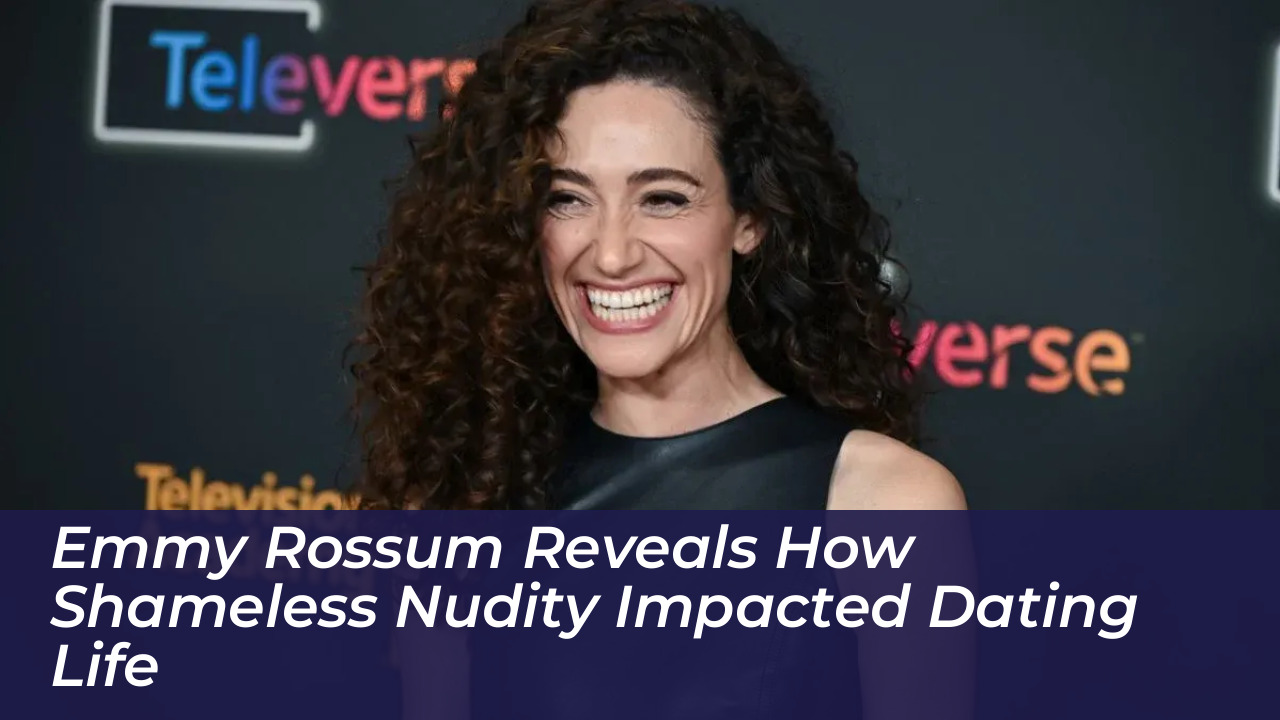
Television actors frequently discover that the characters they portray on screen follow them into everyday life long after directors yell cut. For Emmy Rossum, playing Fiona Gallagher on the critically acclaimed Showtime drama series Shameless brought intense public exposure and unexpected social consequences. During an appearance on the Pretty Tough podcast hosted by Maria Sharapova, Rossum revealed how her professional on-screen nudity created bizarre hurdles in her personal dating life throughout her twenties. This conversation highlights the psychological boundary issues celebrities face when audiences blur the lines between an actor and a fictional character.
- The Reality of Playing Fiona Gallagher on Shameless
- Preconceived Notions and Dating Challenges in Your Twenties
- The Bizarre Airplane Encounter With an Aspiring Politician
- Body as Art Versus Personal Identity
- The Parasocial Dating Phenomenon
- The Evolution of Industry Standards
- Public Perception and Media Literacy
- Psychological Impacts of Constant Public Scrutiny
- Life Beyond Shameless: Finding Stability
- Frequently Asked Questions
- Why did Emmy Rossum say dating was difficult in her twenties?
- What specific story did Emmy Rossum share about a bad date?
- How long did Emmy Rossum star on Shameless?
- Who is Emmy Rossum married to now?
The Reality of Playing Fiona Gallagher on Shameless
Emmy Rossum joined Shameless in 2011 at the age of 24. As Fiona Gallagher, the resilient and fiercely independent eldest sibling of the chaotic Gallagher family, Rossum anchored the show for nine seasons before her departure. The gritty, unfiltered dramedy relied heavily on raw storytelling, which frequently included nude scenes and intimate encounters. Performing these scenes is a technical aspect of acting where performers collaborate closely with intimacy coordinators, directors, and camera crews to tell a specific narrative.

However, the public consumption of this media creates a false sense of intimacy among viewers. Fans feel they know the actor personally because they have witnessed them in vulnerable scenarios on television screens every week. Rossum experienced the direct social fallout of this phenomenon when attempting to navigate normal romantic relationships away from the Hollywood spotlight, realizing that professional artistic choices carried heavy personal repercussions.
Preconceived Notions and Dating Challenges in Your Twenties
Navigating romantic relationships during your twenties is challenging under any circumstance. Young adults are actively trying to establish careers, understand personal identities, and find compatible partners. For Rossum, this developmental period played out under a massive public microscope where every professional choice was dissected by millions of viewers worldwide.
On the podcast, Rossum explained how potential suitors viewed her entirely through the lens of her fictional character. Men she went on dates with often brought narrative baggage supplied by television writers straight to restaurant tables. Instead of discovering who Rossum was as an individual, suitors arrived with preconceived notions about her sexuality and personality, creating an immediate barrier to genuine human connection.
The Bizarre Airplane Encounter With an Aspiring Politician
To illustrate the absurdity of the preconceptions she faced, Rossum shared a specific anecdote involving a date with an unnamed man she met on a commercial flight. Initially, she found him charming, and the two agreed to go out for dinner. The date took a surreal turn when her prospective suitor raised concerns about his own hypothetical political aspirations.
The man admitted he wanted to run for president one day and asked her if dating someone who had been exposed on screen in the manner she had could negatively impact his future campaign. Rossum recalled thinking that the conversation was entirely detached from reality. Rather than evaluating her character, values, or compatibility, the man filtered a potential romantic partnership through the lens of an imagined political future.
Body as Art Versus Personal Identity
A central theme of Rossum’s reflection is the confusion surrounding bodily autonomy in the entertainment industry. When an actor uses their physical form as a storytelling medium, audiences and acquaintances often misinterpret professional art as personal availability. Rossum noted that because a performer’s body acts as their artistic instrument, people easily become confused by the boundary between fiction and reality.
Observers mistake the physical vulnerability required for a dramatic role as a reflection of private morality or personal conduct. This fundamental misunderstanding places an unfair burden on actors, particularly women, who must continuously defend their private reputations against public projections. Male actors rarely face the same moral disqualification from dates due to performing similar intimate scenes.
The Parasocial Dating Phenomenon
Modern dating increasingly intersects with parasocial interaction, where potential partners feel a false sense of ownership over a celebrity’s private life. Media consumption tricks the human brain into believing it shares a personal relationship with public figures. This psychological illusion makes dating actors exceptionally difficult because suitors feel they already know intimate details about the performer’s life.
Overcoming this hurdle requires immense patience from both parties. Celebrities must constantly dismantle false narratives before authentic romance can take root. The challenge exposes how digital media consumption alters basic human psychology and distorts traditional courtship rituals.
The Evolution of Industry Standards
Fortunately, the entertainment industry continues to evolve in how it handles intimate performances. The introduction of mandatory intimacy coordinators in modern television production has transformed on-set safety. These professionals ensure that actors are comfortable, protected, and fully consenting during vulnerable scenes.
Structured on-set protocols protect actors not just physically during production, but also psychologically from the long-term societal fallout of intimate performances. By establishing clear boundaries at work, the industry helps performers separate their professional artistry from their private identities.
Public Perception and Media Literacy
Media consumers often struggle with separating actors from the personas they project on television. Enhancing media literacy helps audiences appreciate performances without crossing personal boundaries.
Understanding how television editing works diminishes unrealistic expectations of performers in real life. True fans respect the privacy of the artists who entertain them every week.
Psychological Impacts of Constant Public Scrutiny
Living under constant public observation creates unique psychological strains for young performers. Establishing healthy mental boundaries remains essential for maintaining long-term emotional well-being.
Therapy and strong support systems help actors navigate the surreal nature of sudden global fame. Protecting personal peace allows artists to deliver authentic performances without sacrificing their private happiness.
Life Beyond Shameless: Finding Stability
Despite the dating complexities of her youth, Rossum’s personal life found stability in later years. Following her departure from Shameless, she married television creator and writer Sam Esmail in 2017. The couple currently share two children, marking a distinct chapter far removed from the turbulent dating era of her early career.
Rossum’s candid reflections provide a rare, grounded look at the hidden social costs of fame. While television audiences consume media purely for entertainment, performers carry residual social interpretations long after cameras stop rolling. Her journey highlights the ongoing necessity of separating the performer from the character.
Frequently Asked Questions
Why did Emmy Rossum say dating was difficult in her twenties?
Rossum explained that men she went on dates with often held preconceived notions about her personality and sexuality because of her nude and intimate scenes on Shameless.
What specific story did Emmy Rossum share about a bad date?
She shared an anecdote about a man she met on a flight who worried that dating an actress with on-screen exposure might jeopardize his hypothetical future presidential campaign.
How long did Emmy Rossum star on Shameless?
Rossum starred on the hit Showtime series as Fiona Gallagher for nine seasons, departing the show before its final season.
Who is Emmy Rossum married to now?
Emmy Rossum is married to television creator and writer Sam Esmail, whom she wed in 2017, and the couple shares two children together.