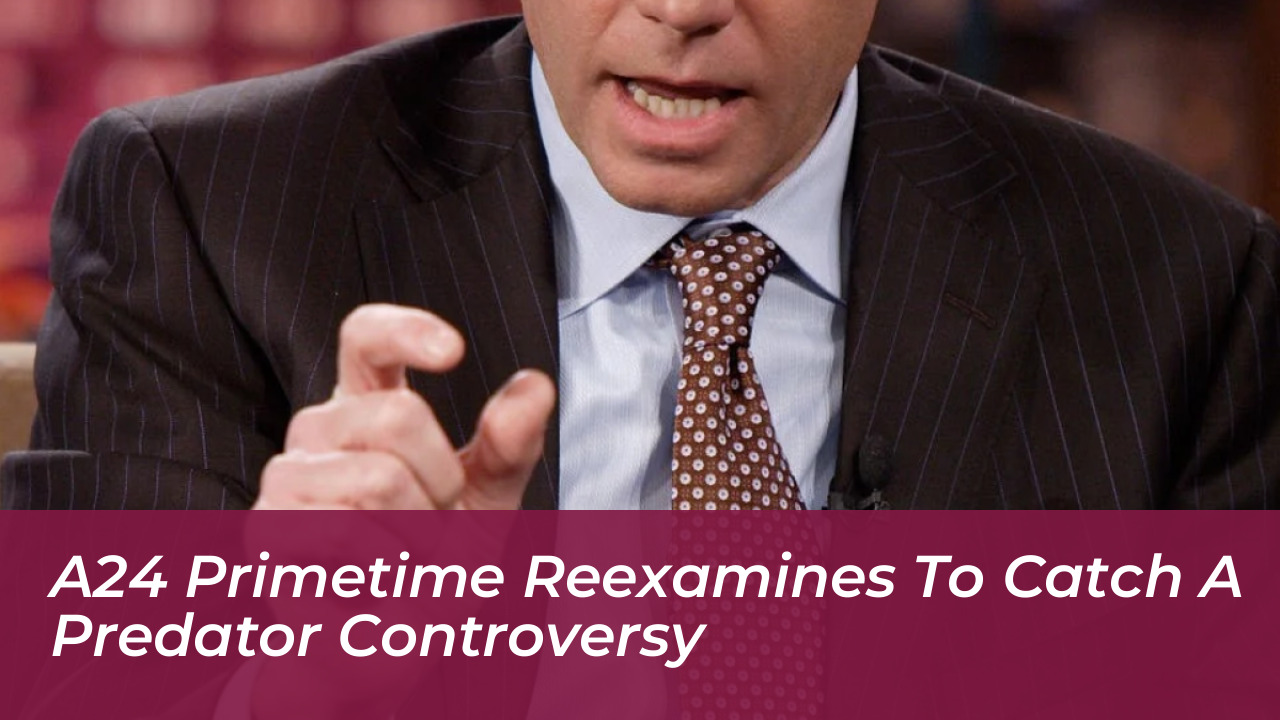
The mid-2000s television landscape blurred the boundaries between investigative journalism, law enforcement, and public spectacle through Dateline NBC’s To Catch a Predator. Decades later, A24 steps into this controversial territory with Primetime, a psychological drama-thriller starring Robert Pattinson as a fictionalized anchor navigating the frenetic energy of the era. This article examines the real-world history, the tragic turning point of the Texas sting, Chris Hansen’s outspoken response, and the broader cultural implications of digital vigilantism.
- Introduction to A24’s Primetime and the To Catch a Predator Legacy
- The Media Phenomenon of To Catch a Predator
- The Tragic Turning Point: The Louis William Conradt Jr. Case
- A24 Reexamines the Era in Primetime
- Chris Hansen Responds: Accusations of Fiction and Exploitation
- The Evolving Landscape of Digital Vigilantism
- Legal Realities of Portraying Living Public Figures
- Conclusion
- Frequently Asked Questions
- Is Primetime an accurate biography of Chris Hansen?
- Why was To Catch a Predator cancelled?
- How did Chris Hansen react to the A24 movie?
- What legal challenges face unauthorized biopics?
Introduction to A24’s Primetime and the To Catch a Predator Legacy
Dateline NBC broadcasted the program from 2004 to 2007, turning television anchor Chris Hansen into a household name. The show relied on close partnerships with local police departments and Perverted Justice, an online watchdog group. Volunteers posed as minors in chat rooms, enticing adult suspects to travel to hidden-camera decoy houses where Hansen confronted them on live television.
The program generated massive ratings and fueled America’s true crime appetite long before streaming platforms dominated home screens. Media analysts, legal scholars, and privacy advocates raised sharp criticisms regarding the ethical foundations of these stings. Critics argued that production teams transformed potential criminal investigations into public spectacles, stripping suspects of due process before they saw a courtroom.
Television executives prioritized sensationalism over objective journalism to maximize advertising revenue during primetime viewing blocks.
The Media Phenomenon of To Catch a Predator
Broadcast networks competed fiercely for viewer attention during an era defined by aggressive reality television formats. Producers understood that moral outrage drove viewer retention and social media chatter before digital platforms existed. Every episode followed a strict narrative structure designed to maximize dramatic tension and immediate gratification. This formula shaped a generation of viewers who consumed real-world justice as a form of casual entertainment.
Audiences rarely considered the constitutional implications of broadcasting arrests before formal charges reached a municipal court. Public sentiment heavily favored harsh penalties, creating an environment where due process felt secondary to swift moral condemnation.
The Tragic Turning Point: The Louis William Conradt Jr. Case
The cultural reckoning surrounding the franchise reached a grim milestone on November 5, 2006. Louis William Conradt Jr., a 56-year-old chief felony assistant district attorney, became the target of a Murphy police sting operation. Unlike suspects who traveled to decoy houses, Conradt remained at his home and expressed reluctance, prompting authorities and camera crews to approach his residence directly with a search warrant.
As tactical officers closed in, Conradt died by suicide inside his home while television crews waited outside. The footage eventually aired in February 2007, sparking national outrage and a multi-million-dollar wrongful death lawsuit settled out of court in June 2008. The tragedy forced NBC to reevaluate its format, ultimately leading to the cancellation of the entire franchise.
Legal experts condemned the collaborative effort between journalists and law enforcement as an unprecedented breach of privacy.
A24 Reexamines the Era in Primetime
Directed by Lance Oppenheim in his narrative feature debut, Primetime explores the intersection of ambition, network pressure, and public voyeurism. Robert Pattinson delivers a critically acclaimed performance as a fictionalized version of Chris Hansen, capturing the manic intensity of mid-2000s television production.
The film compresses events across several years, blending tabloid reports regarding personal life and marital indiscretions into the main narrative arc. Conversational scenes involving former NBC executive Jeff Zucker are entirely fictional constructs designed to illustrate corporate pressure. The climax accurately mirrors the fatal confrontation in Texas and the subsequent local fallout, balancing dramatization with historical documentation.
Cinematographers utilized vintage broadcast lenses to replicate the grainy aesthetic of mid-2000s investigative news reports.

Chris Hansen Responds: Accusations of Fiction and Exploitation
Chris Hansen has openly voiced strong objections to the film, asserting that the studio constructed a work of pure fiction without consulting him. Disputes intensified prior to release over a proposed nondisclosure agreement and liability waivers tied to early screenplays.
Excluded from the creative process, Hansen purchased advertising space for his own true-crime streaming network, TruBlu, to air ahead of Primetime screenings. This counter-messaging highlights the ongoing friction between real-life subjects and Hollywood filmmakers interpreting their careers.
Public relations battles between filmmakers and real-life inspirations often generate substantial pre-release publicity for independent studios.
The Evolving Landscape of Digital Vigilantism
The cultural footprint of televised stings extends into the modern era of independent digital investigations. Online creators and independent watchdog groups now host channels dedicated to confronting suspected predators across YouTube and subscription platforms.
Modern legal frameworks struggle to keep pace with decentralized content creation and digital vigilantism. While proponents argue independent stings protect children, critics warn of dangerous escalation, vigilantism, and compromised evidence that ruins innocent lives.
Monetization incentives on video-sharing platforms encourage creators to escalate confrontations for higher view counts.
Legal Realities of Portraying Living Public Figures
Under United States law, public figures face an exceptionally high threshold when pursuing defamation claims against filmmakers. The First Amendment provides robust protections for artistic interpretation, satire, and dramatized storytelling.
Alternative theories, such as right of publicity claims, face severe hurdles when applied to commercial feature films. Consequently, unauthorized biopic subjects often find primary recourse in public commentary and counter-messaging rather than courtroom injunctions.
Entertainment attorneys review scripts extensively to minimize actionable liabilities while preserving narrative dramatic impact.
Conclusion
A24’s Primetime acts as a provocative mirror reflecting America’s complicated relationship with true crime entertainment and media accountability. By revisiting the highs and lows of the To Catch a Predator era, the film forces audiences to confront the heavy human and ethical costs of public spectacle.
Frequently Asked Questions
Is Primetime an accurate biography of Chris Hansen?
The film features a heavily fictionalized protagonist inspired by Hansen rather than a strictly biographical documentary.
Why was To Catch a Predator cancelled?
NBC cancelled the show following intense scrutiny and a wrongful death lawsuit stemming from the Louis Conradt Jr. case.
How did Chris Hansen react to the A24 movie?
Hansen criticized the production for fabricating details without his input and launched promotional counter-campaigns.
What legal challenges face unauthorized biopics?
Filmmakers benefit from strong First Amendment protections, making defamation lawsuits exceptionally difficult for public figures to win.