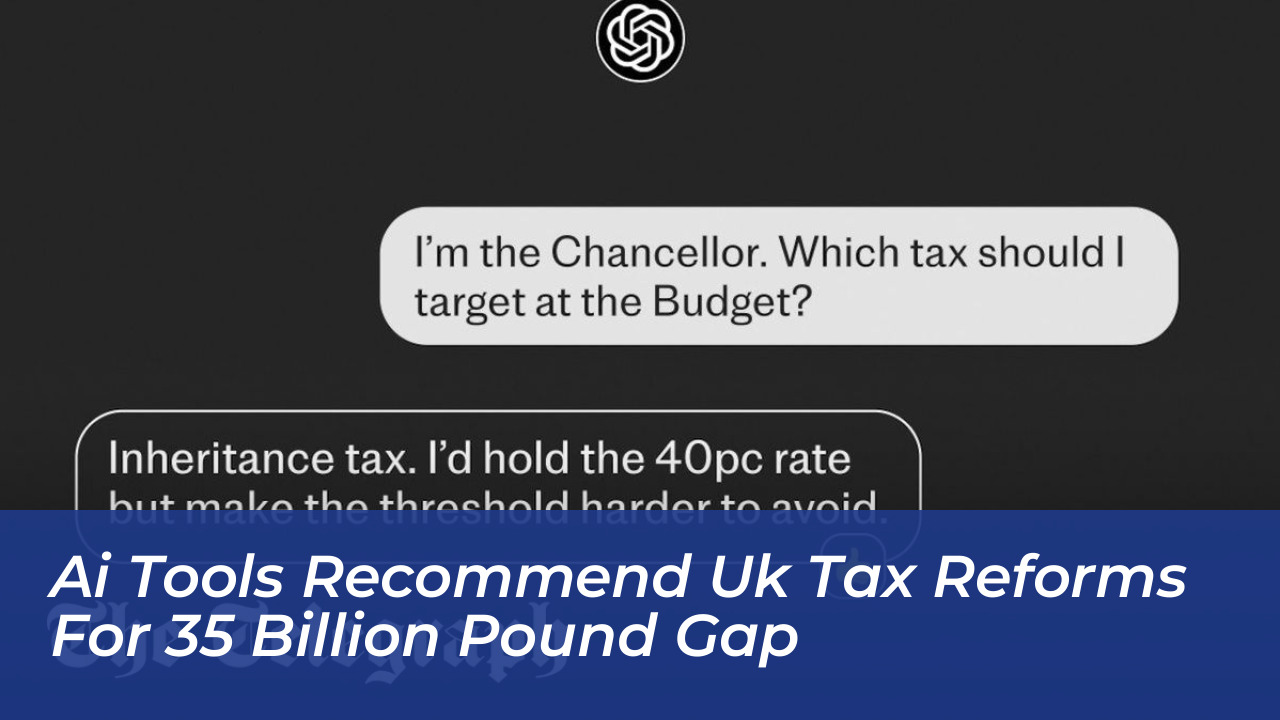

Artificial intelligence tools have recommended sweeping changes to inheritance tax, capital gains tax, and property taxation as potential measures for Chancellor John Healey to address a 35 billion pound gap in UK public finances. In an analysis published on October 14, 2026, The Telegraph asked leading AI platforms-ChatGPT, Gemini, and Claude-which taxes the government should target ahead of the Chancellor’s first Budget.
All three artificial intelligence models independently identified inheritance tax as a leading candidate for structural reform. Their recommendations heavily focused on modifying the current rules governing lifetime gifts. If adopted by the Treasury, this move could significantly alter estate planning for families across the United Kingdom.
AI Platforms Target Lifetime Gifts and Inheritance Rules
The AI-generated recommendations centered on two primary adjustments to the existing inheritance tax (IHT) framework:
- Extending the mandatory time period during which gifts remain subject to inheritance tax liability.
- Introducing a strict lifetime cap or limit on total tax-free asset transfers.
Notably, the models suggested retaining the existing headline 40 percent inheritance tax rate while tightening the loopholes surrounding how individuals pass on wealth during their lifetimes. Under current UK regulations, potentially exempt transfers can completely escape inheritance tax if the donor survives for at least seven years after making the gift. , current legislation imposes no overall lifetime limit on the total monetary amount an individual can distribute through gifts.
Broader Fiscal Pressures on Public Finances
The intervention by AI systems into national fiscal policy highlights the severe pressure facing HM Revenue and Customs (HMRC) and the Treasury as they grapple with a reported 35 billion pound shortfall. While government agencies like HMRC are increasingly deploying internal technologies-such as Microsoft Copilot and automated customer systems-to clamp down on tax evasion and close the domestic tax gap, policymakers face intense scrutiny over which fiscal levers to pull.
Independent analysis from platforms like ChatGPT, Gemini, and Claude demonstrates how algorithmic models process complex economic data to suggest politically sensitive reforms. By focusing on wealth taxes such as capital gains and property alongside inheritance exemptions, the tools point toward areas where economic wealth is concentrated.
Implications for the Upcoming Budget
As Chancellor John Healey prepares to deliver his inaugural Budget, the debate over wealth redistribution and tax enforcement remains central. While government officials continue to rely on traditional forecasting models from the Office for Budget Responsibility (OBR) and administrative enhancements within HMRC, the public discussion fueled by automated recommendations underscores the growing public interest in alternative tax strategies.
Whether the Treasury will incorporate any of these AI-driven suggestions regarding lifetime gifts and asset transfers remains to be seen. However, the proposals have successfully elevated the debate surrounding inheritance tax reform to the forefront of current economic policy discussions in the UK.