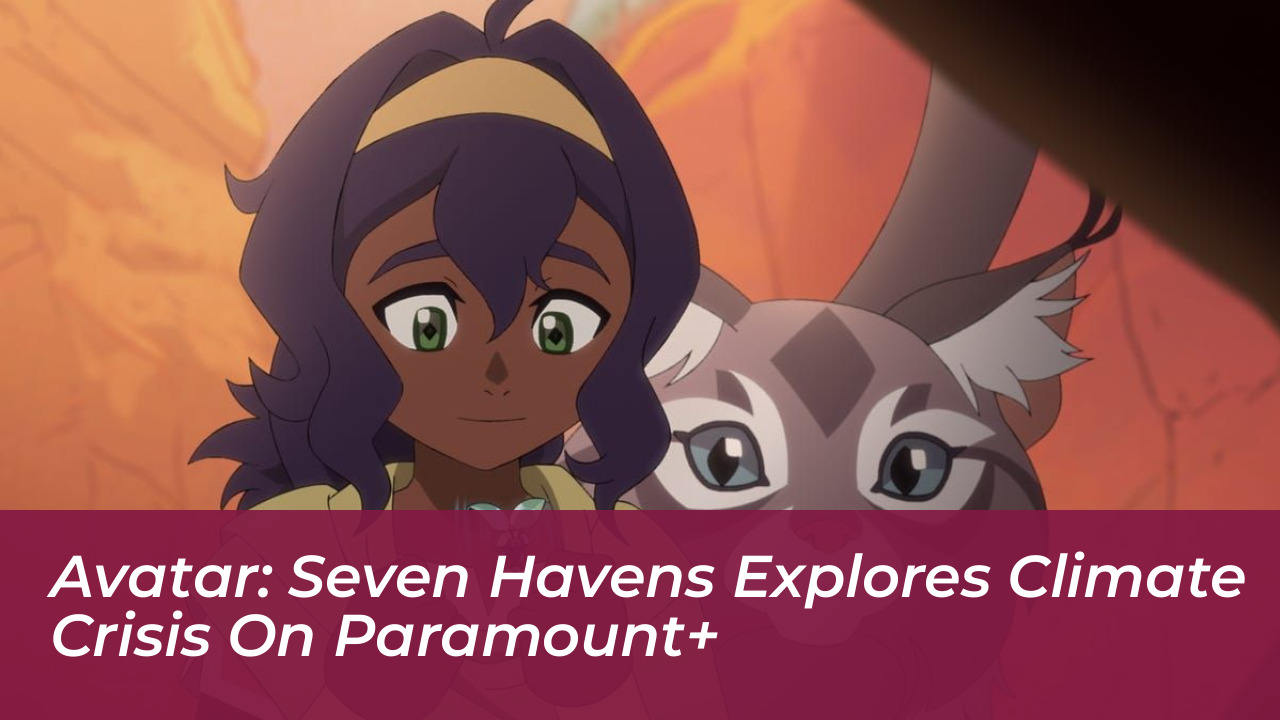


The acclaimed animated franchise returns with a radical new vision in Avatar: Seven Havens, which premiered its first three episodes on Paramount+ on October 9, 2026. Created by Michael Dante DiMartino and Bryan Konietzko, the series transports viewers 225 years past the timeline of The Legend of Korra into a fractured, post-apocalyptic world. Humanity now clings to survival within seven isolated city-states, besieged by severe environmental disasters, intense political isolation, and widespread hostility toward the legacy of the Avatar.
A Post-Apocalyptic Evolution for the Franchise
For its third major television series, the creative team elected to reshape the peaceful harmony established in earlier chapters. A mysterious environmental disaster wiped out the four historic nations. Survivors erroneously blame this catastrophe on the final Avatar, Korra. Consequently, the role of the Avatar has transformed from a revered keeper of balance into a stigmatized bogeyman across the remaining settlements.
The story focuses heavily on Pavi, an awkward young earthbender voiced by Saheli Khan. Living on the margins of Ellora-the Haven of Wind and Sand-Pavi spends her days dumpster-diving, talking to inanimate objects, and concealing her multi-element bending abilities from a suspicious public. Her quiet routine changes abruptly during a local festival when an accidental release of insects exposes her powers. This incident draws the intense scrutiny of Jae, an idealistic young airbender and member of Ellora’s municipal Bending Brigade.
Addressing Climate Realities and Societal Collapse
Unlike the lush environments of Avatar: The Last Airbender or the steampunk metropolis of Republic City in The Legend of Korra, Seven Havens presents a harsh, Saharan expanse. The world is plagued by violent sandstorms, massive tornadoes, crumbling infrastructure, and aggressive raiders. This desolate backdrop functions as an explicit narrative exploration of a severe climate crisis.
Critics and viewers note that the series mirrors contemporary anxieties about environmental neglect. The harshlands surrounding the human habitats highlight the long-term consequences of ecological destruction and resource depletion. Even the color palette breaks from franchise tradition, favoring warm oranges, pinks, and jagged crystal formations that imbue the world with a permanent sense of tension and fragility.
Expanding Cultural Influences and Characters
The series continues the franchise’s tradition of rich world-building by incorporating distinct cultural touchstones. Pavi’s character introduces further South Asian elements to the universe’s blend of Asian and Inuit influences. This is reflected in everything from her name to local culinary staples like kachoris, mochi, and kimchi jjigae. Musically, franchise veteran Jeremy Zuckerman returns with a distinctively electronic soundscape that complements the stark visual shift.
Pavi’s journey is anchored by vital relationships:
- Nisha (Aishu Devan): Pavi’s disciplined twin sister and emotional anchor, whose dynamic with Pavi drives the central mystery of their missing parents and shared origins.
- Jae (Major Curda): An eager brigade member dedicated to protecting Ellora who struggles with the heavy responsibilities placed on his generation.
- Captain Karthik (Akshay Khanna): A patient and noble brigade leader who holds a more optimistic perspective on the potential return of the Avatar.
As the narrative unfolds across weekly batches of episodes on Paramount+, Pavi and her allies must untangle decades of historical obfuscation. By confronting both human paranoia and volatile spirits, Avatar: Seven Havens successfully redefines the boundaries of the franchise, proving that even after total devastation, the cycle of the Avatar remains essential to restoring universal balance.