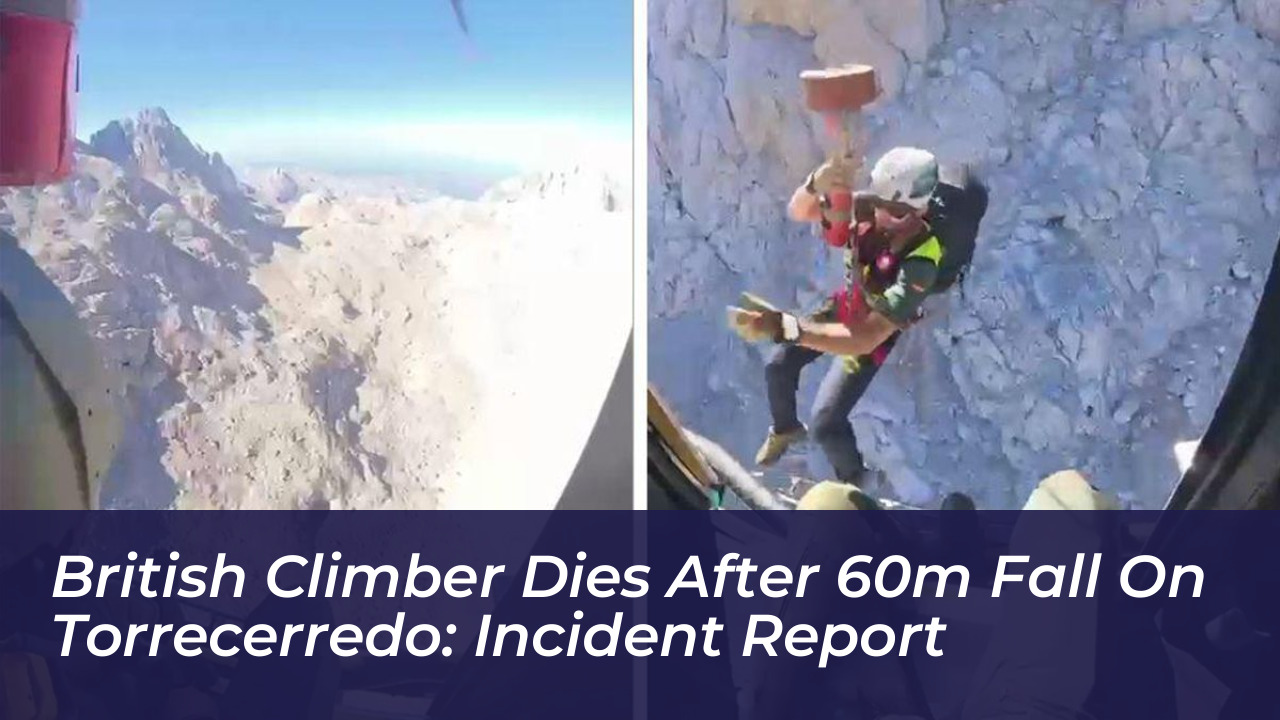
The mountaineering community is mourning the loss of a 28-year-old British climber who died following a 60-meter fall on Torrecerredo on September 24, 2026. This incident, occurring just 20 meters from the summit on the mountain’s eastern face, serves as a sobering reminder of the hazards inherent in the Cantabrian Mountains. Authorities are currently reviewing safety protocols to prevent future tragedies in this high-altitude environment.
- Tragic Incident on Torrecerredo: Overview of the Event
- Timeline of the Rescue Operation
- Geographic and Technical Profile of Torrecerredo
- The Eastern Face: Terrain and Hazards
- Environmental Variables in the Picos de Europa
- Analysis of Mountain Rescue Protocols
- The Psychology of the Summit Push
- Safety and Preparation for Technical Mountaineering
- Frequently Asked Questions
- What makes Torrecerredo particularly dangerous for climbers?
- How does altitude affect climbers on this peak?
- What is the role of the GREIM in these rescues?
- How can climbers improve their safety during the final ascent?
- Summary of Findings
Tragic Incident on Torrecerredo: Overview of the Event
The accident occurred during the early afternoon, prompting an immediate response from the Spanish Civil Guard. Emergency services received a distress alert at 13:45 local time, triggering the dispatch of a specialized air unit and rescue experts to the Picos de Europa National Park. Despite the rapid arrival of the rescue team, the climber succumbed to injuries sustained during the fall.
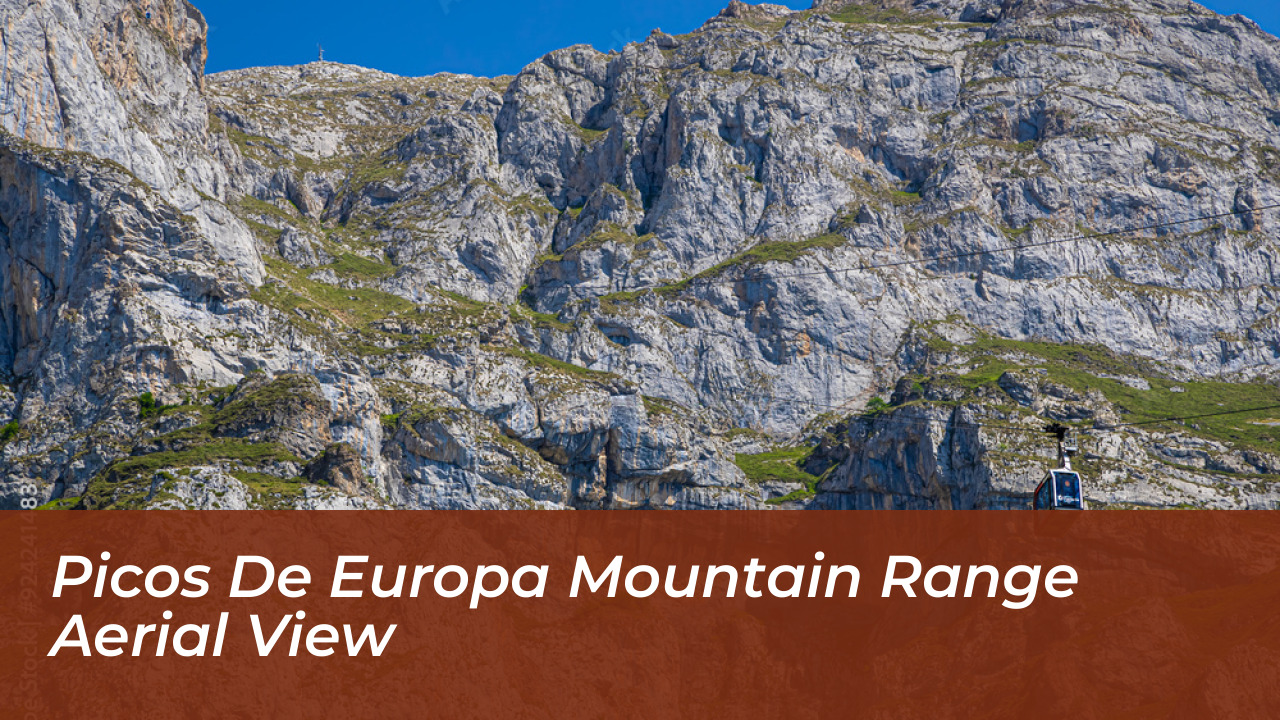
Timeline of the Rescue Operation
Upon receiving the distress signal at 13:45, the Spanish Civil Guard mobilized the GREIM rescue specialists to the coordinates provided. The rescue team performed a complex winch-based extraction to reach the climber on the exposed eastern face. While the operation was executed with high precision, the team confirmed the fatality upon arrival and proceeded to recover the climber’s belongings from the site.
Geographic and Technical Profile of Torrecerredo
Standing at 2,650 meters, Torrecerredo is the highest peak in the Cantabrian Mountains. Its prominence within the Picos de Europa National Park attracts many mountaineers, yet the mountain demands significant respect due to its brittle limestone geology. This rock composition often complicates standard routes, as surfaces can shift or break unexpectedly under weight.
The eastern face, where the accident occurred, is notorious for its extreme vertical exposure. The terrain requires advanced climbing proficiency, as the convoluted summit ridges often obscure the safest path. Navigational challenges, combined with sheer drop-offs, mean that even a minor error in judgment can lead to catastrophic results for those attempting the final ascent.
The Eastern Face: Terrain and Hazards
The eastern face presents a unique set of hazards characterized by loose rock and unstable limestone surfaces. Climbers must negotiate vertical sections that demand consistent technical focus, while the complex summit ridges often hide the safest ascent line. These factors force climbers to maintain constant vigilance, as the physical environment allows for very little margin of error during the final push.
Environmental Variables in the Picos de Europa
Mountaineers must remain alert to rapid temperature shifts, as weather conditions in late September can deteriorate within minutes. , the altitude impact at 2,650 meters induces physical fatigue that significantly degrades cognitive decision-making abilities. Most accidents occur in the final 50 meters of an ascent, where the accumulation of exhaustion often leads to a lapse in safety awareness.
Analysis of Mountain Rescue Protocols
The Spanish Civil Guard, particularly the GREIM units, maintains a rigorous standard for alpine rescue in Northern Spain. Because the limestone massifs are often too jagged for traditional ground-based teams, specialized air units provide the primary response. Helicopter pilots demonstrate extreme skill, winching specialists onto narrow, exposed rock faces to conduct life-saving operations in volatile conditions.
The Psychology of the Summit Push
Many mountaineering accidents happen during the final phase of an ascent due to the psychological pressure of reaching the goal. As the summit comes into view, climbers frequently transition from technical focus to goal-oriented tunnel vision. This shift in mindset, combined with physical exhaustion, impairs the ability to assess risks accurately, making the final 10 percent of a climb the most dangerous period.
Safety and Preparation for Technical Mountaineering
Risk mitigation remains the primary defense against the unpredictable nature of peaks like Torrecerredo. Climbers should conduct thorough route assessments and monitor weather patterns constantly before departure. Protective gear and proper rope management are non-negotiable in exposed limestone environments. Climbing partners should be trained to identify the subtle signs of physical and mental fatigue in one another, as open communication during the final push can be the difference between a successful summit and a tragic accident.
Frequently Asked Questions
What makes Torrecerredo particularly dangerous for climbers?
The mountain features brittle limestone that can break under pressure, combined with extreme vertical exposure and complex summit ridges that make navigation difficult.
How does altitude affect climbers on this peak?
At 2,650 meters, the lack of oxygen contributes to physical exhaustion, which significantly impairs a climber’s ability to make safe, logical decisions during the final push.
What is the role of the GREIM in these rescues?
The GREIM (Mountain Rescue and Intervention Groups) are specialized units of the Spanish Civil Guard trained specifically for high-altitude, technical rock rescues.
How can climbers improve their safety during the final ascent?
Maintain consistent communication with partners, perform regular checks on physical and mental fatigue, and prioritize safety protocols over the desire to reach the summit.
Summary of Findings
The loss of a climber on Torrecerredo highlights the inherent dangers of the Cantabrian Mountains. By understanding the intersection of technical terrain, environmental factors, and human decision-making, the climbing community can better prepare for the realities of high-altitude mountaineering. Respect for the mountain and strict adherence to safety protocols remain the most effective defenses against such incidents.