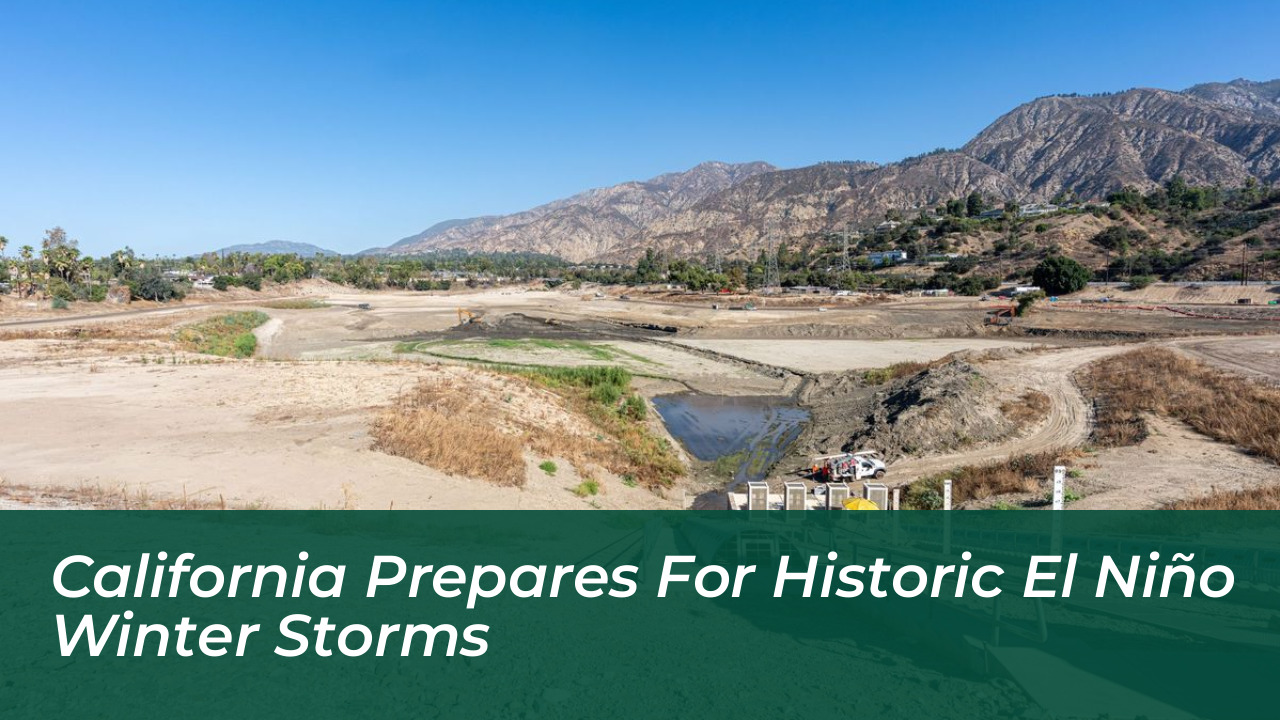
California state and local agencies are accelerating emergency infrastructure projects, clearing vital flood channels, and staging critical disaster resources to brace for severe weather. Meteorologists warn of a powerful El Niño system ahead of the winter season. This proactive statewide response follows emergency declarations issued by Governor Gavin Newsom on September 21. Officials in Merced, San Diego, Los Angeles, and Orange counties also issued localized emergency orders to expedite disaster preparation resources.
Data from the National Oceanic and Atmospheric Administration indicates a greater than 90% chance of a very strong El Niño developing through the winter months. There is a 75% chance it could reach historic strength. Average sea surface temperatures in the tropical Pacific hit a record 85.73 degrees Fahrenheit on September 29. This fueled atmospheric moisture levels and raised concerns about severe weather impacts across the West Coast.
Statewide Emergency Proclamation Streamlines Disaster Readiness
Governor Newsom’s emergency proclamation cuts red tape and streamlines procurement measures. This allows state agencies to move rapidly to protect vulnerable communities. The executive action directs state departments to lead flood-risk-reduction efforts, stage essential flood-fighting supplies such as sandbags and industrial pumps, and pre-position heavy equipment.
“We are not waiting for this season’s storms to be on our doorstep,” said California Governor’s Office of Emergency Services (Cal OES) Director Caroline Thomas Jacobs. “By planning early and coordinating resources ahead of El Niño, we are working to ensure communities and first responders have the personnel, equipment, and support they need to prepare for severe weather, respond quickly when conditions change, and protect lives and property across California.”
Key state logistics and infrastructure alignments include:
- Caltrans Preparation: Staging traffic-control, road-closure, and snow-removal equipment along mountain and coastal highways most at risk of blockages, rockslides, and washouts.
- National Guard Deployment: Preparing the California National Guard to actively support flood response, search-and-rescue operations, engineering missions, and logistical support when storms strike.
- Environmental Fast-Tracking: Directing state environmental and natural resources agencies to fast-track permits for coastal protection, levee repairs, and debris-flow mitigation projects.
- Multilingual Public Alerts: Expanding accessible, multilingual public preparedness communications concerning severe weather, flood zones, emergency evacuation orders, and sudden power outages.
Local Governments React to Early Storm Damages
The statewide mobilization comes on the heels of early weather extremes experienced earlier in September. High surf generated by offshore Pacific storms and record-breaking ocean temperatures battered Southern California communities. In Long Beach, pounding waves breached a key seawall. This caused significant structural damage to the local boardwalk and forced the emergency evacuation of approximately 20 beachfront homes on the Long Beach Peninsula.
Further south, Orange County officials declared a local emergency. This expedited a project to dredge and relocate 200,000 cubic yards of sand from the mouth of the Santa Ana River to the eroding Newport Beach shoreline. In Carlsbad, local leaders declared an emergency to stabilize vulnerable coastal bluffs threatening Carlsbad Boulevard. Cities like Laguna Beach and Dana Point enacted similar measures to repair infrastructure damaged by aggressive storm surges and high astronomical tides known as Kelvin waves.
Climate Change and the Super El Niño Phenomenon
El Niño is a natural climate pattern characterized by warmer-than-average sea surface temperatures in the eastern tropical Pacific Ocean. It disrupts global atmospheric circulation and typically brings wetter, more intense winter storm tracks to California.
Scientists note that human-induced climate change is supercharging these natural cycles. A recent study published in the journal Science revealed that modern El Niño events are now more than 36% stronger than before the industrial era. The intensification trend has accelerated significantly over the past four decades.
State Natural Resources Secretary Wade Crowfoot emphasized the gravity of the incoming season. “California is already taking steps now to protect communities from a potentially historic El Niño because we know how serious these weather extremes driven by climate change can be,” Crowfoot said. “Through the Governor’s state of emergency, we’re cutting red tape and fast-tracking the flood-protection and broader preparedness work communities need now.”
How Californians Can Prepare for Severe Winter Weather
Emergency management officials urge residents across the state to take personal preparedness steps immediately before major storm systems arrive:
- Know Your Flood Risk: Determine if your residence or workplace lies within a designated flood zone, low-lying coastal area, or downslope from recent wildfire burn scars where heavy rainfall can trigger catastrophic debris flows and mudslides.
- Sign Up for Local Alerts: Register with local city or county emergency notification systems to receive real-time evacuation warnings and weather updates.
- Develop an Evacuation Plan: Establish clear evacuation routes, designate a meeting place, and prepare emergency kits containing necessary medications, documents, and supplies for family members and pets.
- Never Drive Through Floodwaters: Obey road closure signs and avoid flooded roadways. Rushing water can be deceptively deep and swift enough to sweep vehicles away or hide washed-out pavement beneath the surface.