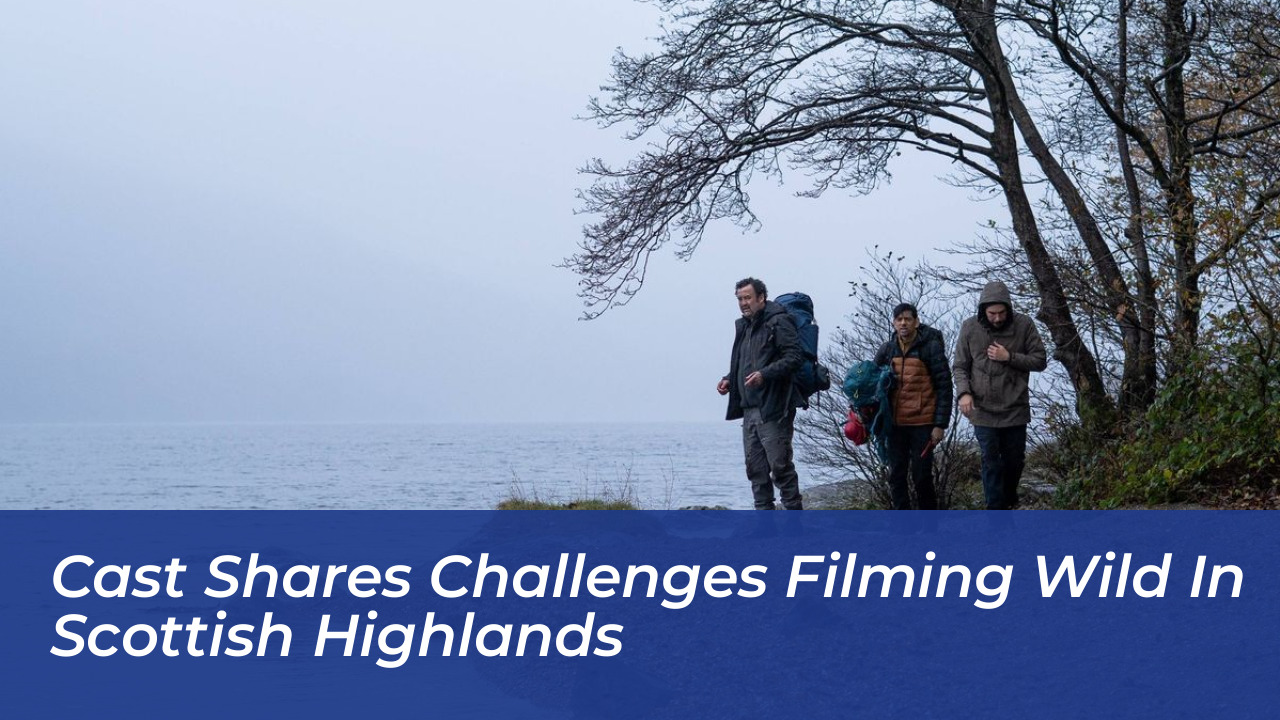
Channel 5 revived its iconic Play for Today anthology franchise, premiering with an intense survival dramedy titled Wild. This gripping single-film narrative captures the raw intersection of modern psychological strain and untamed wilderness, breathing new life into a historic broadcasting format.
- Plot Synopsis and Character Dynamics in Wild
- Filming Locations Around Loch Lomond
- Weather Obstacles and Relentless Rain
- Confronting the Freezing Waters of the Loch
- Mental Health Themes and Modern Masculinity
- Production Challenges and Content Gaps
- Technical Obstacles in the Wilderness
- Vlogging Contrasts and the Economics of Single-Film TV
- Conclusion
The historic roots of the 1970s BBC single-drama format established a legacy of bold, socially relevant storytelling. Back then, anthology television offered an unfiltered mirror to society by tackling controversial themes within standalone narratives. Channel 5 brings back this celebrated banner to champion similar creative risks in modern television. Paul Testar, commissioning editor for the network, notes that the continuation builds directly on audience enthusiasm from previous single-film experiments, focusing heavily on diverse narratives told within a strict feature-length runtime.
The production stars a powerhouse trio of prominent British television actors. Daniel Mays, Joel Fry, and Amit Shah take the lead as three estranged friends who embark on a doomed camping expedition. Wild successfully leads the current programming block by blending dark comedy with biting social commentary, exploring the thin boundary between outdoor adventure and sheer recklessness.
Plot Synopsis and Character Dynamics in Wild
Three estranged friends embark on an annual wild camping expedition in Scotland that quickly devolves into psychological warfare. Lou, Dev, and Alistair cling desperately to their fading youth by maintaining an outdoor tradition that has long outlived its natural expiration date. What starts as lighthearted banter and nostalgic storytelling rapidly spirals downward as the harsh realities of the wilderness set in.
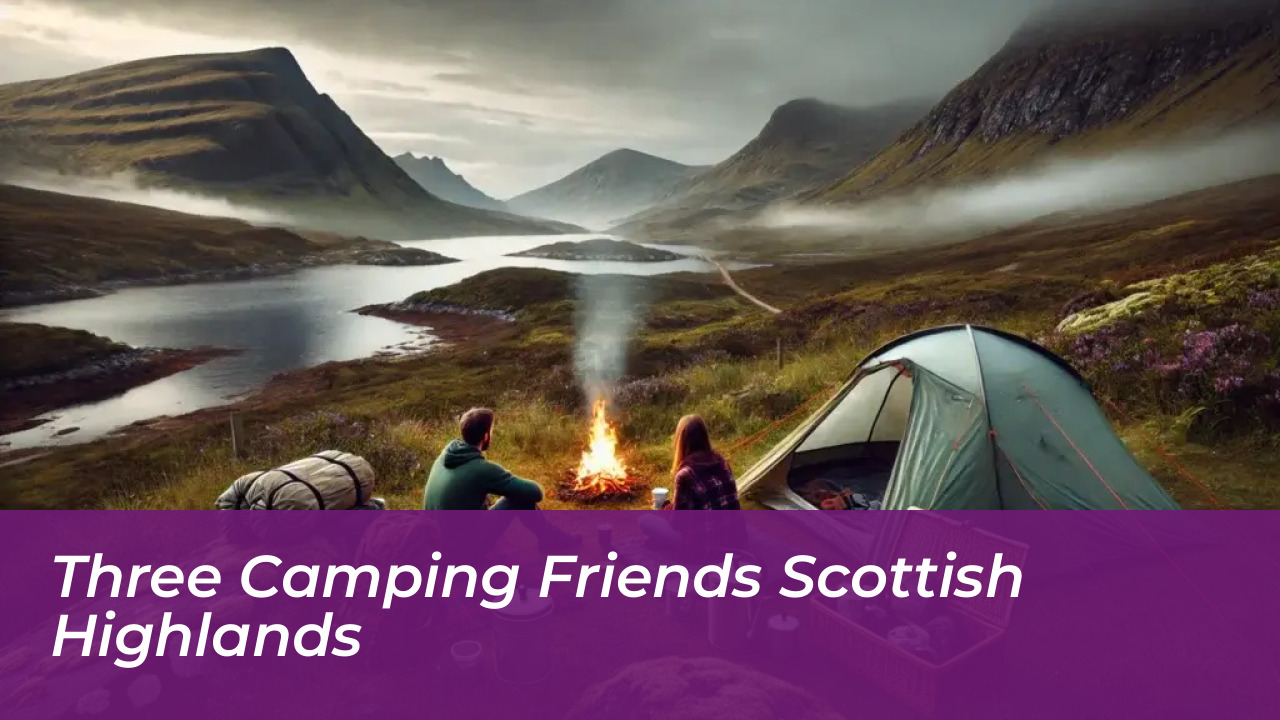
How dwindling supplies and bad navigation fuel simmering resentments forms the core narrative engine of the film. Food rations vanish quickly, and the men lose their bearings in the mist. Long-buried grievances bubble to the surface, transforming minor disagreements into intense personal attacks. As egos clash and basic survival takes precedence, the psychological weight of the trip vastly outweighs any physical danger they encounter.
Stripping away modern distractions exposes the deep emotional stagnation plaguing each character. Without the safety nets of civilization, smartphones, and daily routines, the trio must confront their personal failures. The script uses this isolation to examine how modern men process emotional distress, utilizing sarcasm and competitive posturing in place of honest communication.
Filming Locations Around Loch Lomond
Production based its operations primarily around the rugged landscapes of Loch Lomond in the Scottish Highlands. The production team selected this specific region for its towering peaks, expansive vistas, and moody atmospheric conditions. Every camera angle captures sprawling natural beauty that grounds the interpersonal conflict in a genuine wilderness environment.
The geographic isolation functions as an active fourth character in the ensemble. Daniel Mays and the cast reacted intensely to the sheer visual grandeur of the north from their very first day on set. The towering mountains and deep, dark waters created an oppressive yet stunning environment that dictated the mood of every scene.
Grounding interpersonal conflict in a monumental natural backdrop allowed the actors to feed off their environment. The physical vastness of the Highlands mirrors the emotional distance between the three friends, creating a seamless blend between external setting and internal turmoil.
Weather Obstacles and Relentless Rain
The unyielding local weather proved to be the most persistent antagonist during the entire Scottish shoot. Instead of battling a fictional monster, the cast and crew fought daily against relentless downpours and volatile atmospheric shifts. The unpredictable nature of Highland weather kept the production team constantly on edge.
Daniel Mays witnessed sheets of rain hammering the landscape from his hotel window on day one, realizing instantly that the shoot would test his physical limits. Joel Fry and the crew raced against rapidly approaching storm fronts, desperately trying to secure necessary dialogue and action sequences before the skies opened up completely.
Performing exterior dramatic scenes completely soaked to the bone required immense stamina. The actors endured hours of freezing rain while delivering emotionally charged performances, relying on sheer adrenaline to push through the physical discomfort.
Confronting the Freezing Waters of the Loch
One of the most physically punishing sequences forced the actors into the icy waters of the loch while wearing restrictive wetsuits. The scene called for genuine physical vulnerability as the characters reach a breaking point during their disastrous expedition. The actors admitted to feeling deep anxiety before taking the plunge.
Shifting from initial panic to unexpected invigoration during water immersion surprised the entire cast. Amit Shah confessed that none of the actors practiced cold-water plunges, meaning their bodies lacked physiological acclimatization. Once the initial shock subsided, the cold water provided a surprising burst of energy.
A humorous contrast emerged when local senior citizens swam in the same freezing loch wearing ordinary swimwear while the professional actors shivered in high-tech neoprene. This lighthearted moment offered a brief reprieve from the grueling physical demands of the water sequence.
Mental Health Themes and Modern Masculinity
The narrative uses physical exhaustion to examine how modern men process emotional distress. Suppressed grievances and competitive posturing replace honest communication throughout the trip. The characters hide their vulnerabilities behind insults and bravado, mirroring real-world struggles with male mental health.
Operationalizing isolation as a catalyst for psychological deterioration allows the film to explore deeper truths about friendship. Trapping three men who refuse to ask for help creates an environment where minor annoyances explode into full-scale emotional crises. This dynamic provides a stark commentary on the pressures of modern masculine identity.
Providing an unsettling yet humorous look at male friendship under pressure, the film balances dark comedy with poignant drama. Viewers watch as years of unspoken tension finally break the surface, resulting in a cathartic and chaotic climax.
Production Challenges and Content Gaps
Behind the sweeping cinematography lie demanding technical hurdles that standard reviews frequently overlook. Capturing high-end drama in remote locations requires meticulous logistical planning. The production team faced unique obstacles regarding safety, audio, and environmental preservation.
Technical Obstacles in the Wilderness
- Specialized stunt coordination required for safe navigation of steep Highland terrain.
- Capturing clean audio during high-wind sequences using specialized furry wind shields.
- Environmental impact mitigation strategies and leave-no-trace protocols in national parks.
Managing heavy lighting rigs, camera cranes, and base camps without disrupting local wildlife or eroding fragile peat bogs required endless coordination. The crew adhered strictly to Scottish national park guidelines, ensuring the stunning landscapes remained pristine after production wrapped.
Vlogging Contrasts and the Economics of Single-Film TV
Wild combines stylistic device innovation with a unique financial model for modern British broadcasting. The integration of amateur smartphone vlogging footage contrasts sharply with pristine cinematic framing, highlighting the artificial ways people document their lives versus reality.
The financial and creative gamble of producing high-end standalone feature films pays off by offering audiences a complete narrative arc in a single evening. Proving that cinematic storytelling thrives without serialized multi-season cliffhangers, Channel 5 demonstrates that single-drama television still holds a vital place in the contemporary media landscape.
Conclusion
Wild successfully anchors the return of Channel 5’s Play for Today anthology series through sheer grit and talent. Overcoming unrelenting rain, freezing loch temperatures, and grueling Highland terrain, the cast and crew delivered a memorable piece of television.
Delivering an emotionally raw exploration of male friendship, the film relies on the enduring power of location-based storytelling. By grounding complex psychological themes in the vast wilderness of Scotland, Wild sets a high standard for the revived anthology format.