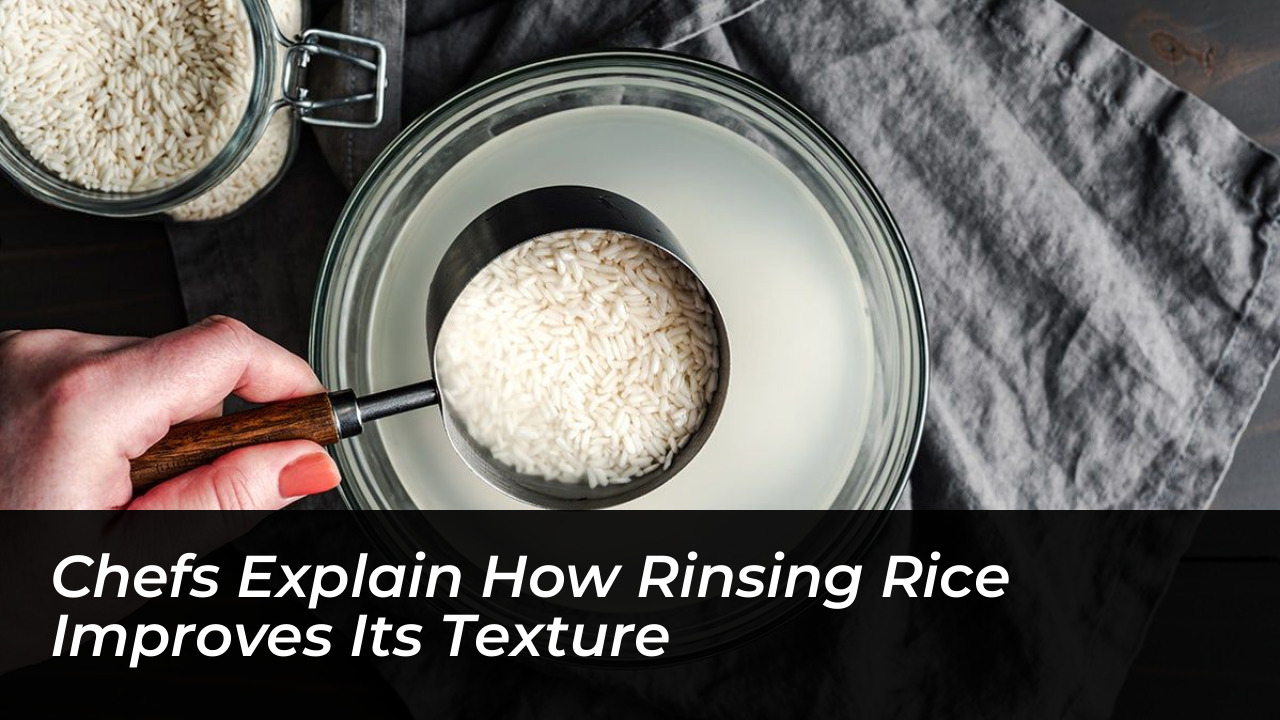

Removing excess surface starch before cooking helps home cooks prepare fluffy rice with distinct grains, according to professional chefs and cooking experts. Whether you are preparing a quick weeknight side dish or a specialized grain base, adjusting your preparation methods to the specific rice variety is essential. Techniques such as rinsing, soaking, water measurements, and exact cooking times all play a critical role in determining the final texture on your plate.
Like any agricultural product, rice needs to be cleaned before consumption. Grown in grass fields, different types of rice undergo various levels of processing before making it to store shelves. While rinsing helps remove packaging debris, dust, or dirt from processing, washing your rice before cooking is primarily a texture and culinary enhancement. Washing away excess surface starch prevents grains from clumping together into a gummy, sticky mess, resulting in a much lighter mouthfeel.
Expert Recommendations on Why and When to Rinse
Renowned culinary professionals emphasize that proper washing sets the foundation for better results before heat is ever applied. Dale Talde, chef and owner of Goosefeather in Tarrytown, New York, notes that general washing removes processing dust and surface starches to prevent clumping. Similarly, classically trained chef and Ask Chef Dennis founder Dennis Littley recommends rinsing long-grain white rice, basmati, and jasmine rice until the water becomes mostly clear. Draining the rice thoroughly afterward helps maintain the correct water-to-rice ratio for optimal steaming.
For best practices, place your measured rice into a fine-mesh sieve or a bowl and run cold water over the grains. Gently agitate or swirl the rice with your fingers rather than scrubbing aggressively. Aggressive rubbing can crack or break the delicate grains, leading to uneven cooking and a mushy texture. Most rice varieties only require two to four quick rinses until the water runs mostly clear. If you have extra time, East Asian culinary traditions suggest letting washed and drained rice rest for 20 to 30 minutes to allow moisture to distribute evenly through each kernel.
When You Should Skip Rinsing Rice
While rinsing is widely recommended for everyday dishes, there are specific culinary exceptions where retaining surface starch is desirable. If you are preparing dishes like risotto or paella, skip the wash entirely. These recipes rely on the natural starches coating the grains to create a rich, creamy, and cohesive sauce.
Additionally, home cooks should avoid rinsing pre-seasoned rice mixes, packaged rice blends, and fortified or enriched rice varieties. Rinsing these products can strip away added nutrients or wash off essential seasoning powders included in the package. Always check package instructions, as some commercial brands explicitly label their products as “no-wash” or “no-rinse.”
Common Mistakes to Avoid When Washing Rice
- Using warm or hot water: Always use cold water to keep the grains firm and prevent premature starch breakdown.
- Overwashing or scrubbing: Aggressively rubbing grains breaks them apart, resulting in sticky or unevenly cooked rice.
- Skipping the drain step: Leaving excess water trapped in the sieve alters your liquid-to-rice cooking ratios.
- Confusing soaking with rinsing: While a 30-minute cold soak can improve certain textures, it does not replace the physical removal of surface starches.
Frequently Asked Questions
Is it always necessary to wash rice?
No. While everyday white, jasmine, and basmati rice benefit greatly from a starch-clearing rinse, starchy dishes like risotto and pre-seasoned packaged rice blends should never be washed.
How many times should I rinse my rice?
Most standard rice varieties only require two to four rinses, or about 30 to 60 seconds under cold running water, until the water runs mostly clear.
Does washing rice remove its nutritional value?
Washing primarily removes free surface starch and processing debris, not the core nutrients locked inside the grain. However, rinsing enriched or fortified rice can wash away some surface-applied vitamin coatings.
Can rinsing rice lower its glycemic impact?
Yes, removing excess surface starch through thorough rinsing can slightly reduce the overall glycemic impact of the cooked rice, leading to a marginally slower carbohydrate absorption rate.
Should I soak rice after rinsing it?
Soaking rice for 20 to 30 minutes after washing is a common culinary practice that helps moisture penetrate the grain evenly, leading to a softer texture and reduced cooking times.