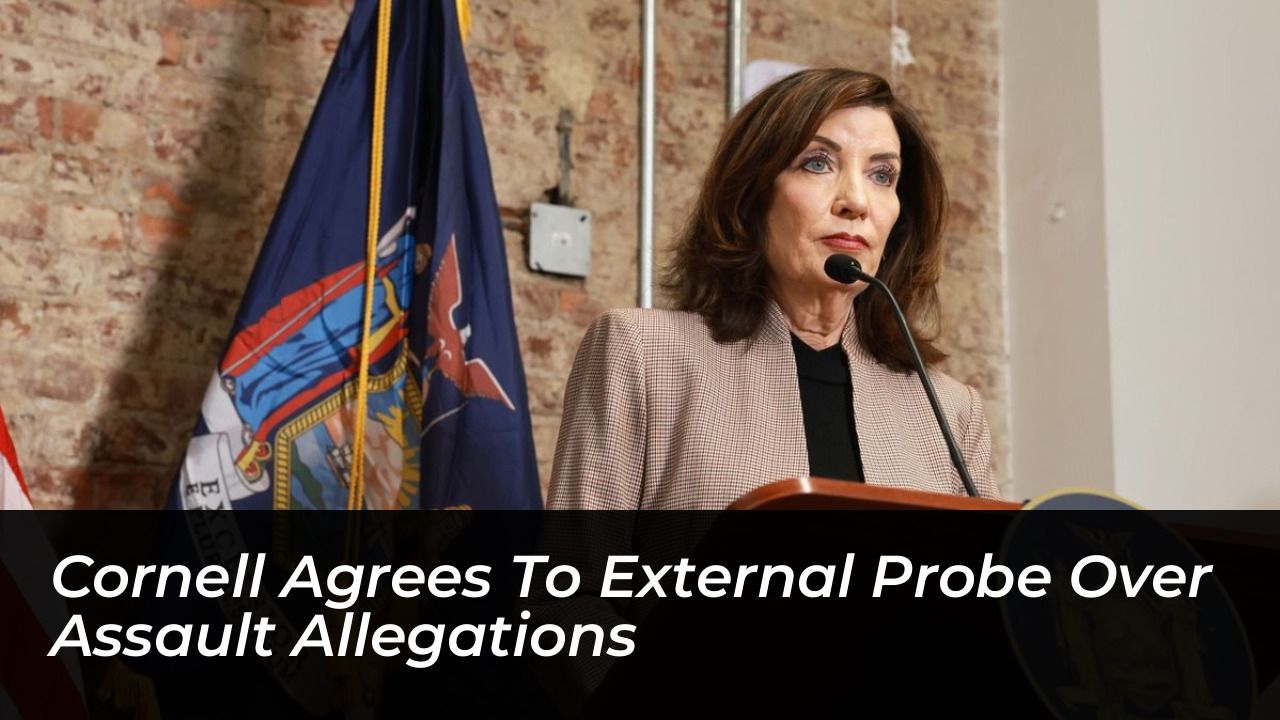
Cornell University has agreed to launch an independent external investigation into its handling of alleged fraternity house gang rape allegations. The decision follows direct public pressure from New York Governor Kathy Hochul, who demanded an outside review of the Ivy League institution’s campus safety protocols.
- Lawsuit Triggers State Action and Reopened Review
- Institutional Response and Governance Context
- Frequently Asked Questions
- Why did Cornell agree to an external investigation?
- What are the specific allegations in the lawsuit?
- What actions did Cornell take when the incident was first reported?
- Are prosecutors re-examining the criminal case?
- Who currently leads Cornell University?
The agreement for an external review stems from a civil lawsuit filed by an unidentified female former student. The legal complaint alleges that seven former and current members of the Chi Phi fraternity drugged and gang-raped her on the Ithaca campus.
Lawsuit Triggers State Action and Reopened Review
The civil filing raised immediate concern among state officials regarding campus safety protocols and institutional accountability. This prompted direct communication between New York state leaders and university leadership, culminating in Wednesday’s agreement to bring in outside investigators.
When the incident was initially reported in 2024, Cornell escalated the case to the Tompkins County District Attorney, who at the time declined to press charges. The university also conducted its own internal investigation during that period, resulting in the expulsion of two fraternity members. However, the details brought to light in the recent 2026 civil lawsuit have prompted prosecutors in New York to reevaluate and reopen the case.
Institutional Response and Governance Context
As the university navigates this scrutiny, campus administration remains under interim leadership following the transition of executive responsibilities. Michael Kotlikoff assumed a two-year term as interim president on July 1, 2024, succeeding former president Martha E. Pollack.
University officials stated that full cooperation will be extended to the external investigators to ensure a transparent accounting of how the initial allegations were processed. State authorities have emphasized that campus safety and thorough oversight remain top priorities for New York higher education institutions.
Frequently Asked Questions
Why did Cornell agree to an external investigation?
Cornell agreed to an independent external review following a civil lawsuit filed by a former student alleging gang rape at the Chi Phi fraternity house, alongside direct public pressure from New York Governor Kathy Hochul.
What are the specific allegations in the lawsuit?
The civil lawsuit alleges that seven former and current members of the Chi Phi fraternity drugged and gang-raped the unidentified female student on campus, and that the university failed to properly protect her.
What actions did Cornell take when the incident was first reported?
When the allegations were initially raised in 2024, Cornell escalated the matter to the Tompkins County District Attorney-who declined to press charges at the time-and conducted an internal probe that led to the expulsion of two fraternity members.
Are prosecutors re-examining the criminal case?
Yes. The new details introduced in the 2026 civil lawsuit have caused prosecutors in New York to reopen the criminal investigation into the matter.
Who currently leads Cornell University?
Michael Kotlikoff serves as the interim president of Cornell University, having begun his term on July 1, 2024, following the retirement of former president Martha E. Pollack.