

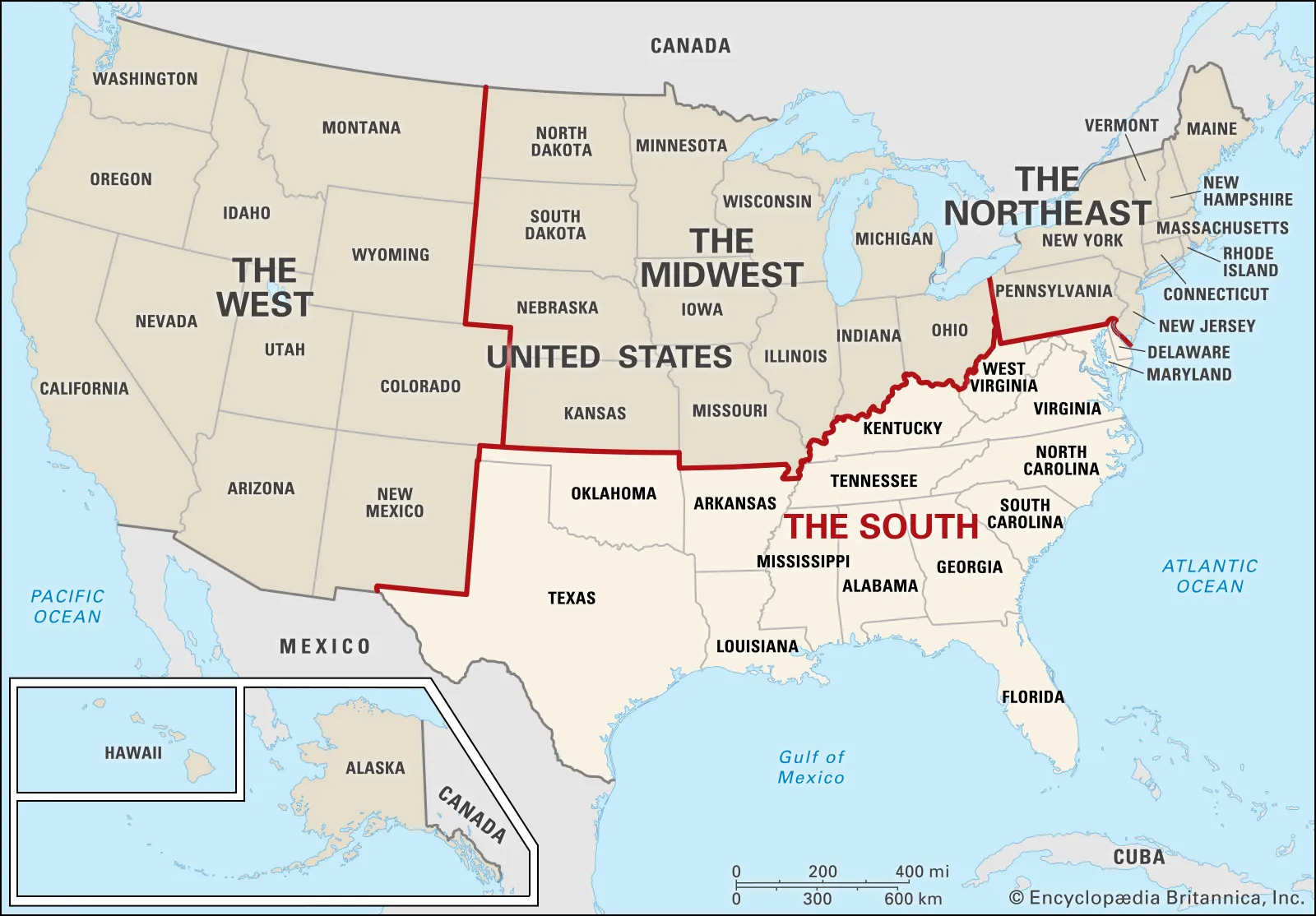
South Carolina’s Lowcountry could see a cooler and wetter winter as a strong El Niño develops. This pattern affects weather patterns across the United States through changes in the subtropical and polar jet streams. According to ABC News 4, the developing climate pattern may bring more frequent storm systems and above-average precipitation to the southern United States. Meanwhile, northern areas generally trend warmer and the Midwest turns drier.
The forecast does not mean the Lowcountry will experience cold or rainy conditions every single day. According to meteorological data, an average December-to-February day typically features high temperatures in the 60s, lows in the lower 40s, and about 3 inches of rainfall per month.
El Niño and Jet Stream Impacts
El Niño and La Niña, collectively known as ENSO (El Niño-Southern Oscillation), refer to water temperature anomalies in the central Pacific Ocean. El Niño occurs when water temperatures in this region rise above average, whereas La Niña represents below-average water temperatures.
These Pacific ocean temperatures directly influence upper-air winds around the globe, most notably the polar jet stream and the subtropical jet stream. The phenomenon derives its name from South American fishermen who noticed anomalously warm waters off the coast of Peru and Ecuador around Christmas time, initially calling it El Niño de Navidad (The Christmas Child).
During a strong El Niño, trade winds weaken, allowing warm water to pool off South America. This shift creates a very active hurricane season over the eastern and central Pacific Ocean while producing increased wind shear over the Atlantic basin. The resulting wind shear suppresses Atlantic hurricane development, leading to a much quieter tropical season in that region.
What Winter Looks Like in the Lowcountry
Beyond the tropics, El Niño significantly alters winter weather across the United States. A stronger subtropical jet stream allows for more storm systems to cross the southern United States, resulting in a wetter and cooler-than-average winter for those regions.
Conversely, a strong El Niño acts to weaken the polar jet stream. This reduction typically yields fewer storm systems across the northern United States, producing a milder winter in the north and drier conditions in the Midwest.
For South Carolina residents, the seasonal outlook entails specific typical conditions:
- Temperatures: Daily highs generally range in the 60s with lows in the lower 40s from December through February. El Niño introduces lower average temperatures overall, but this manifests as occasional cold snaps rather than a continuous deep freeze.
- Precipitation: Monthly rainfall typically averages around 3 inches. An above-average precipitation outlook points to a higher frequency of passing storm systems yielding more total seasonal rainfall, rather than continuous daily downpours.
- Snow and Severe Weather: Winter weather and snow remain unlikely in typical Lowcountry winters. While increased atmospheric moisture provides potential fuel, exact snowfall or severe weather events depend entirely on short-term systems forecast merely days in advance.
Context from Regional Meteorologists
Forecasters emphasize that seasonal averages do not dictate daily weather experiences. Scott Handel, lead meteorologist at the National Oceanic and Atmospheric Administration (NOAA), noted that while the southern tier of the United States is least likely to experience warmer-than-normal temperatures overall, fall and winter remain highly changeable seasons.
“These outlooks pertain to the mean temperature for the season as a whole and not to individual cold snaps that may occur within the season,” Handel explained. Ultimately, while El Niño establishes the broader environmental framework for the Lowcountry’s winter, individual short-term weather systems continue to drive day-to-day conditions.