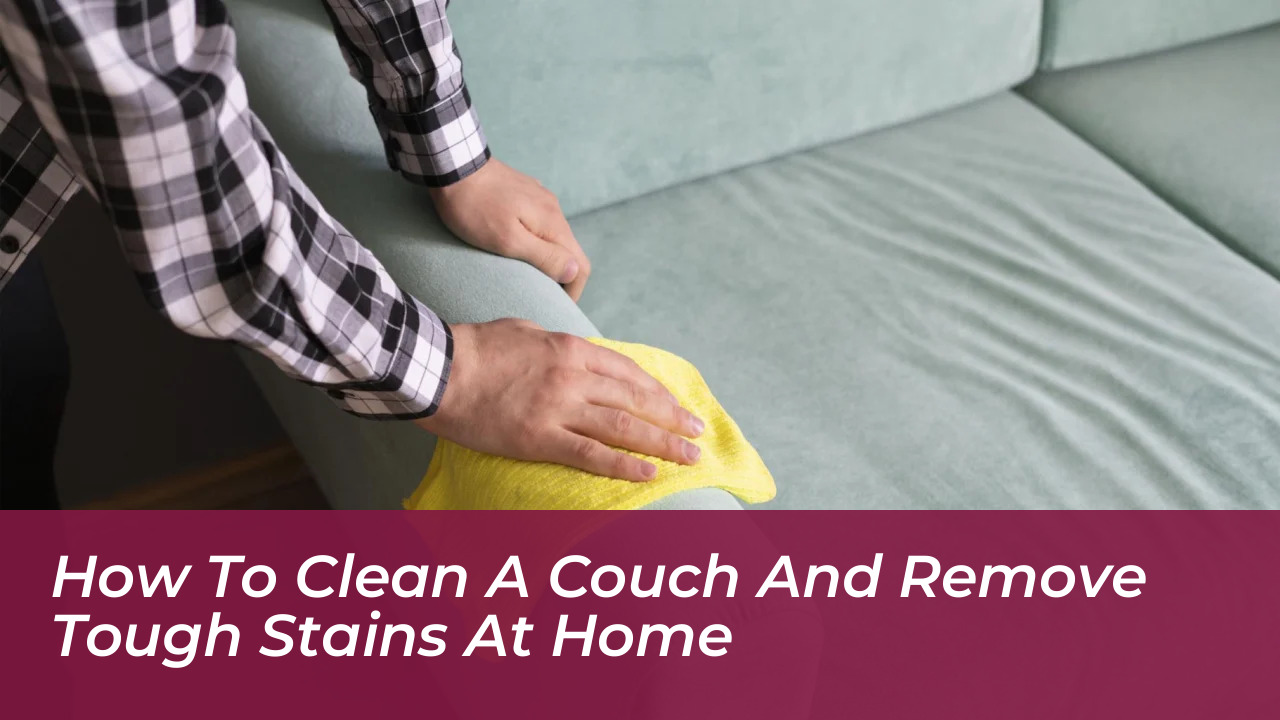

Stains on a couch can be a major headache, but instead of calling an expensive professional cleaning service, it is often worth trying a simple homemade solution first. Whether your upholstery has accumulated spills, ground-in dirt, or unpleasant odors over time, knowing the right DIY techniques can restore its freshness in minutes. Experts generally recommend cleaning your couch at least once every six months, and with a little know-how, you can tackle everything from everyday dust to stubborn coffee or wine spots without renting an upholstery shampooer.
Before applying any liquid cleaner, always check the manufacturer’s care tag. The tag will display a cleaning code: “W” means water-based cleaners are safe, “WS” indicates you can use either water-based cleaners or commercial solvents, “S” means only dry-cleaning solvents should be used, and “X” means vacuum only. Ignoring these guidelines can permanently damage your upholstery.
Prepare Your Upholstery: Thorough Vacuuming
Before treating any stains, start by vacuuming your couch thoroughly to get rid of food crumbs, pet hair, and loose dust. Use your vacuum’s upholstery brush and crevice tool to reach deep into the nooks and crannies of the couch frame and cushions. If your couch smells unpleasant due to trapped moisture or everyday use, generously sprinkle baking soda across the entire surface. Work the powder in slightly with a soft brush and let it sit for about three hours. Baking soda acts as a natural deodorizer that absorbs bad odors, leaving the fabric smelling fresh once you vacuum it away.
The Magic DIY Paste for Light-Colored Upholstery
When you spot wine, coffee, or food stains on your light-colored upholstery, act fast. Generously sprinkle baking soda directly over the stains and spray them with hydrogen peroxide. Gently work the resulting paste into the upholstery fibers. Allow the mixture to sit for 20 minutes as it fizzes and lifts the grime. Afterward, vacuum up the remaining powder. The combination of baking soda and hydrogen peroxide will lift the dirt right out of the fabric.
Alternative Homemade Cleaning Methods
Depending on the type of stain and fabric you are dealing with, several other household remedies can restore your couch:
- Dish Soap and Water Solution: Mix a few drops of mild dish soap into a spray bottle filled with warm water. Spray lightly or dampen a microfiber cloth, then gently blot the stain from the outside in.
- Dishwasher Pod Trick: Drop a dishwasher pod into about half a gallon of water and heat it until it completely dissolves. Dip a cloth into the warm solution, wring out excess water, and wrap the cloth around a pot lid. Thoroughly wipe down the upholstery using the wrapped lid to lift dirt and restore color.
- Rubbing Alcohol for Ink: Dampen a clean cloth or cotton swab with rubbing alcohol and blot ink or marker stains directly until they lift from synthetic materials like polyester or microfiber.
- White Vinegar and Water: Combine equal parts white vinegar and water in a spray bottle to safely sanitize and break down organic spots on water-safe fabrics.
How to Dry and Maintain Your Couch
Once you have finished treating the stains or deep cleaning your upholstery, let the couch air-dry completely before sitting on it. Avoid using high heat from a hair dryer, as it can warp or damage synthetic fibers. Instead, open doors and windows or set up a box fan to create a breeze that speeds up drying time, ensuring your couch remains fresh, clean, and comfortable for everyday use.