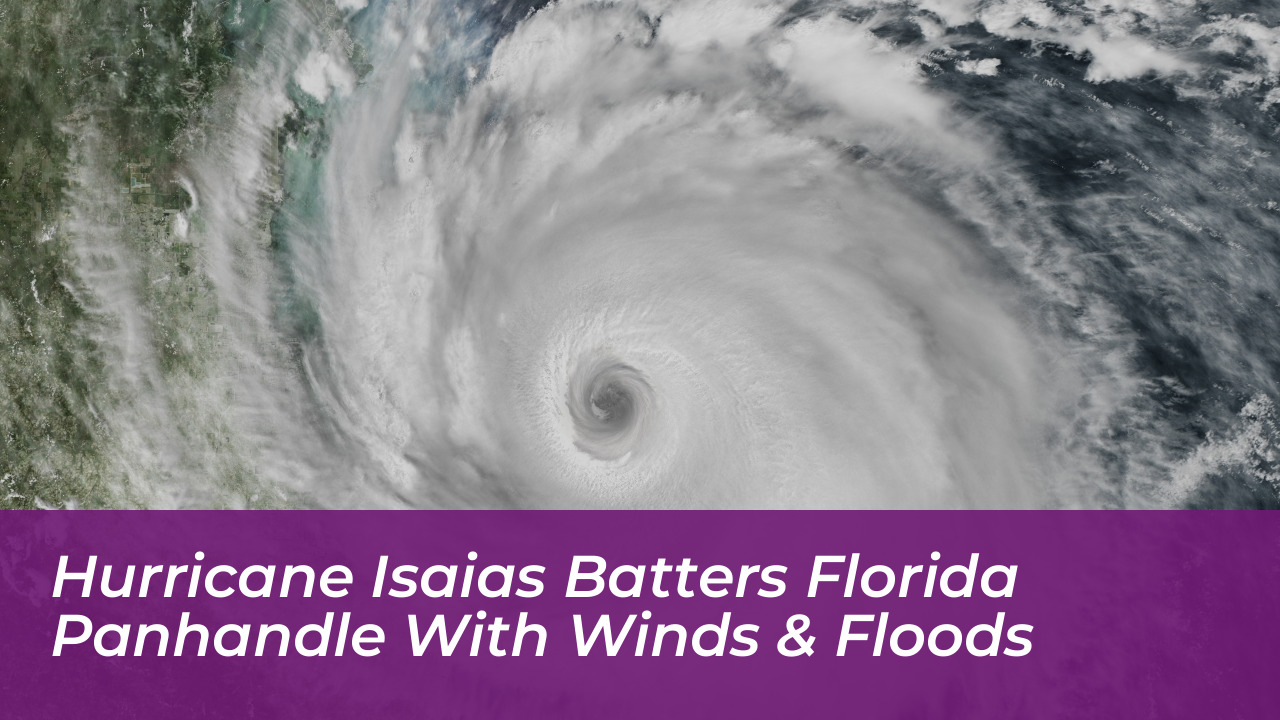

Hurricane Isaias struck the Florida Panhandle near Destin on October 9, 2026, unleashing destructive winds, severe coastal flooding, and torrential rainfall before tracking inland across the southeastern United States. Entering as the first Atlantic hurricane of the 2026 season, the system made landfall as a powerful Category 2 storm packing sustained winds of 105 mph. It uprooted trees, damaged structures, and left over 700,000 customers without electricity.
Authorities documented severe wind intensities across the western Florida Panhandle as the eyewall pushed ashore. Weather reports recorded a peak gust of 117 mph roughly three miles east-southeast of Oriole Beach, while Santa Rosa Sound registered a 116 mph gust alongside sustained winds of 91 mph. Nearby Pensacola measured a 102 mph gust, and Gulf Breeze experienced 97 mph gusts with sustained winds reaching 83 mph.
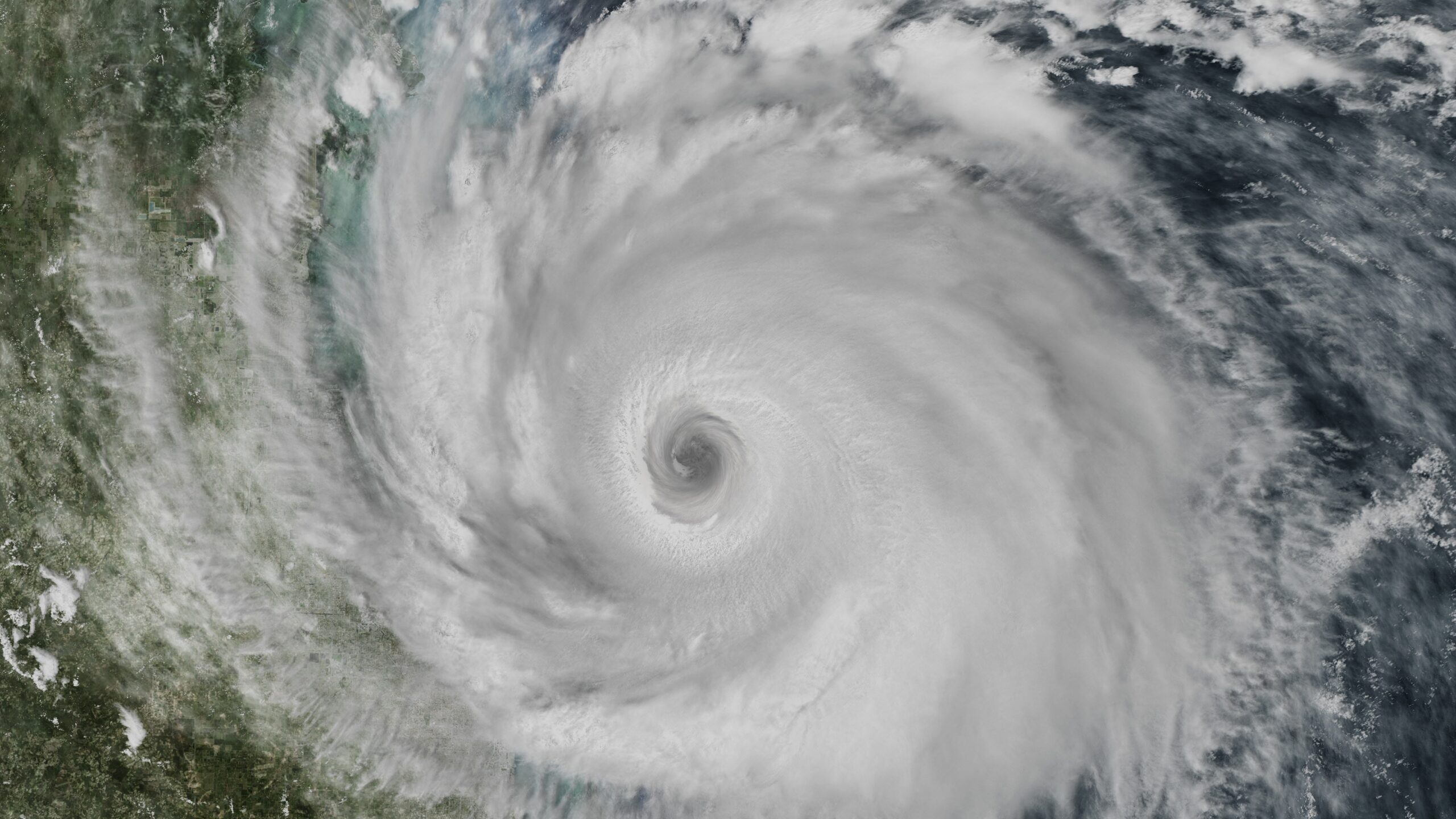
Severe Coastal Flooding and Storm Impacts
Ahead of the hurricane’s arrival, extreme wind warnings were enforced for vulnerable communities including Pensacola and Destin. The storm system forced water well inland onto normally dry ground. Initial measurements indicated water levels exceeding 4 feet in Destin and rising to 5.6 feet in Panama City, though meteorologists noted these figures included standard tidal influences alongside direct storm surge.
Evacuation orders covered numerous low-lying coastal sectors prior to landfall, as outlined by Florida Governor Ron DeSantis during emergency briefings. Storm surge warnings stretched along the coastline, anticipating surges as high as 9 feet between the Santa Rosa/Okaloosa County Line and Grayton Beach.
Casualties and Extensive Infrastructure Damage
At least four fatalities were officially linked to the storm across Florida and Alabama. Governor DeSantis confirmed two storm-related deaths in Escambia County, Florida. One resident tragically died when a falling tree crashed onto their home, while another casualty occurred inside a garage where a generator was actively running.
In neighboring Alabama, two additional deaths occurred under similar circumstances. The Jefferson County Emergency Management Agency reported multiple instances of trees collapsing onto residential properties, creating hazardous search and rescue conditions for local emergency responders.
- Over 700,000 cumulative customers lost power across Florida, Alabama, and Georgia at the height of the storm.
- Destin-Fort Walton Airport in Pensacola temporarily closed due to structural checks and debris clearance.
- Significant flash flood threats extended into northeastern Georgia, the western Carolinas, and parts of the Appalachian mountain range.
Post-Storm Recovery and Inland Movement
As the weekend progressed, Isaias rapidly weakened from a Category 1 hurricane into a post-tropical cyclone, marching northward and dropping heavy precipitation across the Southeast. Flood watches remained active from northern Florida stretching up to Virginia, while regional river crests posed ongoing flood risks in the days following landfall.
Emergency crews and utility workers continue working around the clock to clear blocked roadways, restore downed power lines, and support displaced residents throughout the impacted disaster zones.