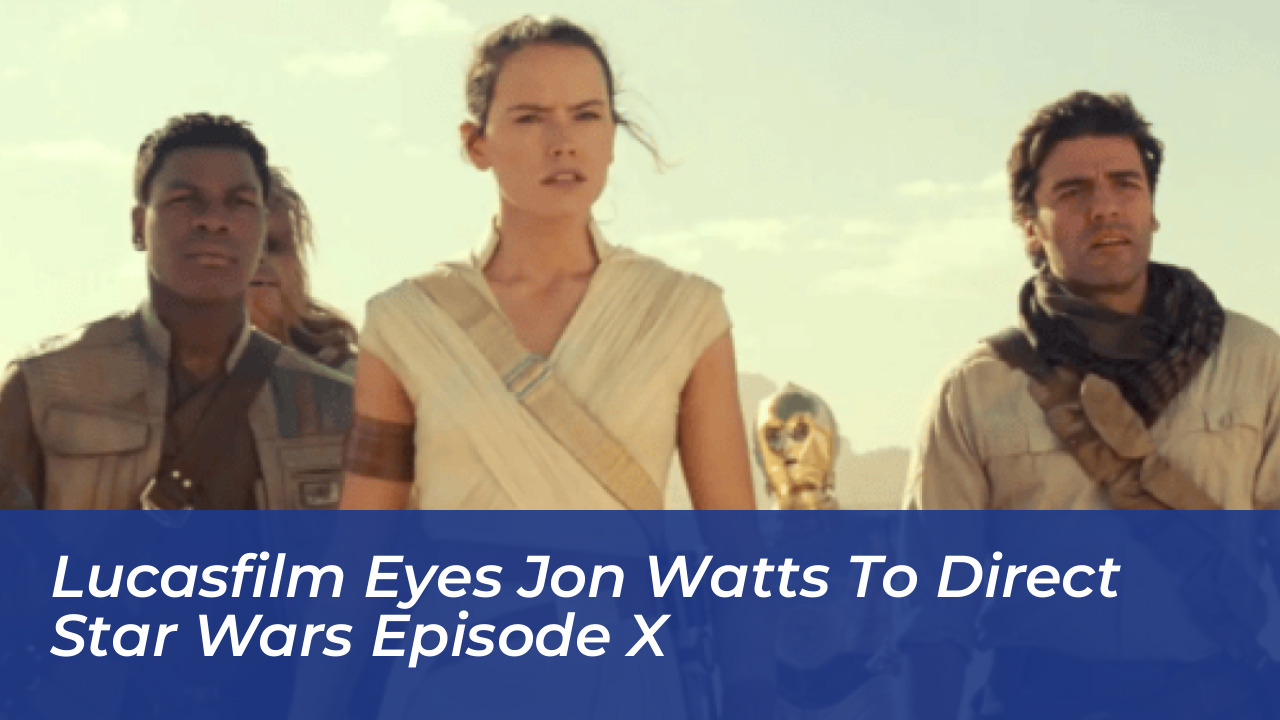
Lucasfilm is actively targeting Spider-Man director Jon Watts to helm the upcoming Star Wars Episode X, marking a major strategic pivot for the studio. Industry reports confirm that Disney and Lucasfilm are advancing plans for a brand-new theatrical film written by veteran screenwriter Simon Kinberg. This prospective agreement covers the initial installment of a planned trilogy, with the possibility of Watts expanding his leadership across subsequent entries. The project represents a renewed effort to map out the next chapter of the Skywalker Saga following the theatrical conclusion of the nine-film arc in 2019.
- The Creative Partnership Behind Star Wars Episode X
- Jon Watts and His Blockbuster Track Record
- Familiarity with the Galaxy Far, Far Away
- Simon Kinberg and the Writer’s Room Evolution
- Securing the Mainline Narrative Framework
- Iterative Script Development
- Story Direction and the Return of Rey
- Positioning Episode X on the Galactic Timeline
- Passing the Torch to New Protagonists
- Shifting Studio Priorities and the Slate Realignment
- Deprioritizing the New Jedi Order
- Current Star Wars Theatrical Slate Comparison
- Disney’s Theatrical Recovery Strategy
- Navigating Box Office Volatility and Fan Sentiment
- The Road to a Formal Green Light
While the project remains early in its development lifecycle, insider reports indicate that it currently holds a higher priority status than several other announced features in the pipeline. Disney has not yet officially greenlit the movie, but the foundation laid by Kinberg’s detailed treatment has accelerated the production planning phase. By uniting a blockbuster-tested director with an experienced franchise architect, the studio aims to establish a stable and commercially viable path forward for the galaxy far, far away.
The Creative Partnership Behind Star Wars Episode X
Jon Watts and His Blockbuster Track Record
Jon Watts brings a proven track record of handling massive blockbuster franchises to the Star Wars universe. He directed the highly successful Marvel Cinematic Universe Spider-Man trilogy, beginning with Spider-Man: Homecoming in 2017, followed by Far from Home in 2019, and No Way Home in 2021. These films proved his ability to balance intricate studio expectations, massive budgets, and widespread fan approval.
Beyond the superhero genre, Watts recently directed the thriller Wolfs in 2024 and established a production agreement with Walt Disney through his banner, Freshman Year. This strong existing relationship with the parent company makes him an ideal candidate for managing high-stakes intellectual property without causing friction during the demanding production cycle.
Familiarity with the Galaxy Far, Far Away
Watts is no stranger to the inner workings of Lucasfilm. His previous involvement as a co-creator and executive producer on the 2024 Disney+ series Skeleton Crew familiarized him with the internal production pipeline of the franchise. Working within this ecosystem gives him a distinct advantage, as he already understands the proprietary technology, virtual production stages, and studio expectations unique to Lucasfilm.
This previous collaboration bridges the gap between traditional feature film directing and the specific aesthetic standards required by modern Star Wars storytelling. His transition from streaming television to the mainline cinematic universe reflects a growing trust from studio executives in his creative execution.
Simon Kinberg and the Writer’s Room Evolution
Securing the Mainline Narrative Framework
Simon Kinberg takes charge of the screenplay for the new trilogy, bringing decades of major franchise experience to the table. Kinberg previously co-created the acclaimed animated series Star Wars Rebels and worked extensively on the X-Men film franchise at 20th Century Fox. Reports regarding Kinberg’s involvement first surfaced in 2024, initially sparking confusion over whether his scripts would launch a completely detached story or directly continue the mainline saga.
Recent updates confirm that Kinberg has settled on the latter option, crafting a narrative framework that directly extends the events of the core episodic films. This clarity ensures that audiences looking for a continuation of the overarching saga will find a familiar yet revitalized narrative structure.
Iterative Script Development
Former Lucasfilm leadership previously offered glimpses into the iterative process behind Kinberg’s writing. Former studio head Kathleen Kennedy noted earlier in the year that initial script drafts underwent substantial revisions. The creative team upended early narrative concepts before spending extensive time refining a detailed 70-page treatment.
This meticulous preparation allowed Lucasfilm to secure high-level talent like Watts, ensuring the production enters its active development phase with a fully realized creative vision. Strong writing prevents costly mid-production rewrites and keeps the budget tightly controlled.
Story Direction and the Return of Rey
Positioning Episode X on the Galactic Timeline
While strict confidentiality surrounds the plot specifics of Episode X, confirmed production leaks reveal where the story sits on the galactic timeline. The film is structured as a direct continuation of the Skywalker Saga, picking up the narrative threads established in Star Wars: The Rise of Skywalker. Daisy Ridley is expected to reprise her role as Rey, though sources indicate she will appear in a supporting capacity rather than serving as the sole driving force of the narrative.
This narrative placement honors the previous films while avoiding creative stagnation. By positioning Rey as a mentor or secondary presence, the studio creates space for new characters to take center stage without alienating fans of the sequel trilogy.
Passing the Torch to New Protagonists
The upcoming trilogy relies heavily on introducing a fresh generation of primary characters to carry the weight of the franchise forward. Balancing legacy continuity with the need for fresh creative energy remains a primary objective for the writer’s room. This dual approach allows Lucasfilm to honor established lore while mitigating the creative fatigue often associated with relying too heavily on legacy characters.
New protagonists provide an accessible entry point for younger audiences who might feel intimidated by decades of existing cinematic and television canon.
Shifting Studio Priorities and the Slate Realignment
Deprioritizing the New Jedi Order
The advancement of Kinberg’s trilogy has directly impacted other previously announced cinematic ventures. Lucasfilm has shifted its immediate focus toward Episode X, temporarily superseding the standalone film previously titled Star Wars: New Jedi Order, which was set to be directed by Sharmeen Obaid-Chinoy.
By anchoring the new narrative to the familiar lineage of the Skywalker Saga, the studio hopes to recapture the broad audience appeal of the mainline films. Strategic realignment is common in major franchise management, but this specific pivot demonstrates a desire to prioritize guaranteed theatrical recognition over experimental standalone projects.
Current Star Wars Theatrical Slate Comparison
Industry analysts track several concurrent projects currently moving through development to understand where Episode X fits in the broader release strategy. The only confirmed feature tracking ahead of Kinberg’s trilogy in terms of active production schedule is Star Wars: Starfighter, spearheaded by Shawn Levy and Ryan Gosling.
| Project Title | Key Creative Talent | Current Status | Expected Timeline |
|---|---|---|---|
| Star Wars: Starfighter | Shawn Levy, Ryan Gosling | Active Production | May 28, 2027 Release |
| Star Wars: Episode X | Jon Watts, Simon Kinberg | Targeting Director / Early Development | Pre-Greenlight Phase |
| Star Wars: New Jedi Order | Sharmeen Obaid-Chinoy, Daisy Ridley | De-prioritized | On Hold |
Disney’s Theatrical Recovery Strategy
Navigating Box Office Volatility and Fan Sentiment
Disney’s theatrical Star Wars strategy has faced significant headwinds since the release of Episode IX in 2019. The critical and commercial division surrounding The Rise of Skywalker prompted a prolonged theatrical hiatus, broken only by television expansions like The Mandalorian, Andor, and Ahsoka. The studio’s cautious approach reflects an acute awareness of fan sentiment and box office volatility.
While live-action streaming series have achieved critical acclaim, theatrical releases require universal four-quadrant appeal. Hiring proven studio veterans like Jon Watts and Simon Kinberg signals a deliberate pivot toward directors with verifiable track records in managing multi-hundred-million-dollar intellectual properties.
The Road to a Formal Green Light
The potential agreement between Lucasfilm and Jon Watts marks a critical turning point for the long-term viability of Star Wars on the big screen. By uniting a blockbuster-tested director with an experienced franchise writer, the studio is attempting to construct a stable foundation for the next decade of storytelling.
While the project still awaits a formal green light from Disney executives, the rapid advancement of the underlying treatment proves that Lucasfilm is eager to bring the galaxy back to theaters with a renewed sense of creative direction and commercial stability.