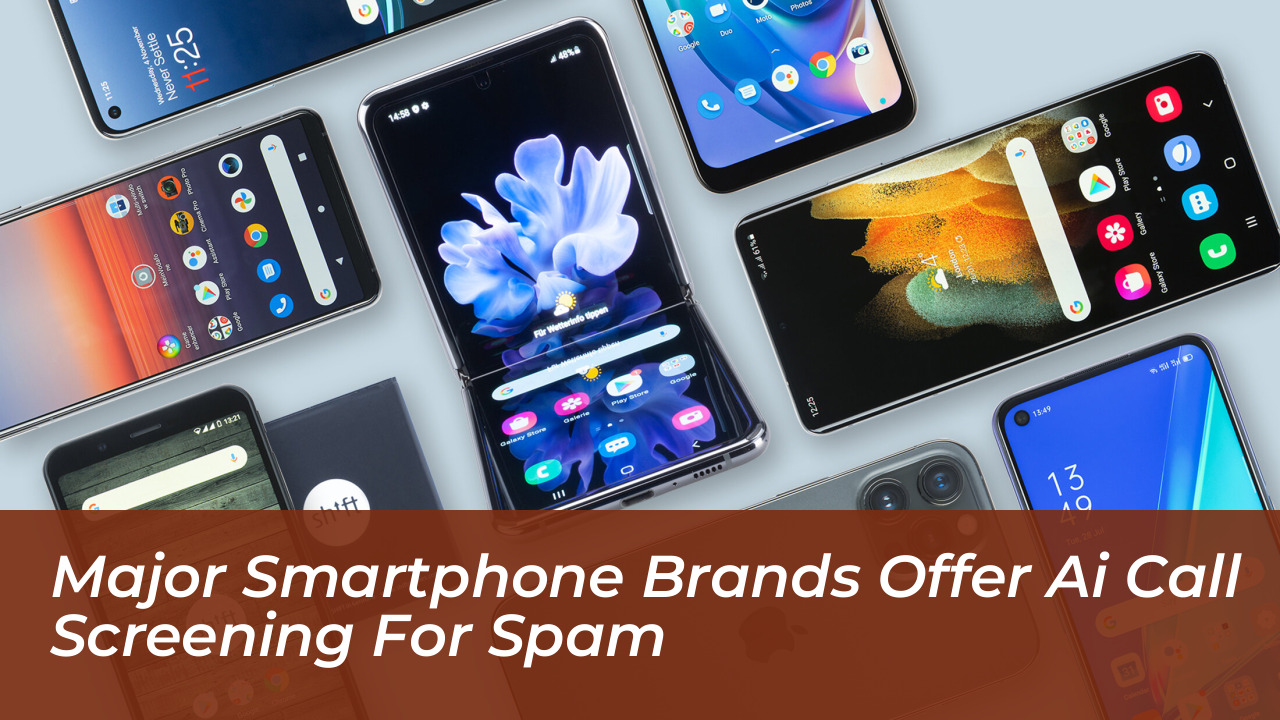
Major tech manufacturers including Apple, Google, and Samsung have introduced artificial intelligence tools on their latest smartphone operating systems to answer unknown callers and transcribe their responses before users pick up. The feature aims to assist mobile users who routinely face decisions on whether to answer unfamiliar numbers, especially when expecting important contacts like medical professionals or repair technicians.
- How AI Call Screening Works Across Ecosystems
- Current Smartphone Implementation and Availability
- Apple iOS 27
- Google Pixel and Android Devices
- Samsung Galaxy Series
- The Surge in Voice Scams and the Need for Gatekeepers
- Frequently Asked Questions
- Do callers know they are speaking to an artificial intelligence assistant?
- Will AI call screening block legitimate calls from doctors or delivery personnel?
- Can AI call screening detect deepfake scam voices?
- How do I activate AI call screening on my device?
Apple has integrated Call Screening into iOS 27, allowing iPhones to automatically answer unrecognized numbers. The system prompts the caller for their name and reason for calling, then displays the transcribed response live on the user’s screen while the phone rings.
How AI Call Screening Works Across Ecosystems
Implementations from Apple, Google, and Samsung execute three core functions in sequence:
- Interception: When a call arrives from an unrecognized or suspicious number, the device’s built-in AI answers it before or instead of ringing through to the owner.
- Speech-to-Text and Intent Detection: The virtual assistant asks who is calling and why, converts the response into real-time text, and analyzes the intent to classify whether the caller is a delivery driver, medical office, or telemarketer.
- User Decision: The recipient views a scrolling transcript on their screen and decides whether to pick up, disconnect, respond via canned text prompts, or send the call to a message system.
On-device processing ensures that user data and audio transcripts remain localized. Apple and Google emphasize that processing occurs directly on the device hardware rather than being transmitted to cloud data centers for human review.
Current Smartphone Implementation and Availability
Apple iOS 27
Apple’s native integration allows iPhones to seamlessly screen unknown inbound calls. The feature runs directly within the iOS ecosystem without requiring third-party applications, providing a streamlined user experience geared toward personal privacy and uninterrupted daily routines.
Google Pixel and Android Devices
Google Pixel devices remain a benchmark for AI screening maturity. Google’s Call Screen feature provides real-time transcription, contextual automated responses, and automatic screening capabilities for users in the United States, alongside manual options available in several global regions.
Samsung Galaxy Series
Samsung features advanced call screening integration via Galaxy AI. Compatible models running modern software versions allow users to manage inbound calls through live text transcripts, customize assistant voices and speeds, and divert unknown callers to text-based interaction modes.
| Manufacturer / Platform | Feature Name | Primary Processing Location | Availability Notes |
|---|---|---|---|
| Apple (iOS 27) | Call Screening | On-Device | Opt-in setting available natively within system phone settings. |
| Google (Pixel) | Call Screen | On-Device | Automatic features vary by region, primarily US-focused; manual options global. |
| Samsung (Galaxy AI) | Call Assist / Screening | On-Device | Restricted to recent hardware generations and specific software versions. |
The Surge in Voice Scams and the Need for Gatekeepers
While AI call screening began as a niche convenience feature, its rapid adoption stems from an escalating wave of synthetic voice fraud. According to security data compiled by StationX, deepfake-enabled vishing-scam calls utilizing cloned voices surged dramatically, with AI-generated voice scams multiplying across recent quarters.
Surveys indicate that a substantial percentage of mobile users have encountered suspicious AI-generated voice calls, undermining public confidence in traditional phone caller IDs. By interposing an AI receptionist that demands a clear statement of intent before allowing a ring, smartphone owners establish a vital defense against automated robocall operations.
Frequently Asked Questions
Do callers know they are speaking to an artificial intelligence assistant?
Yes. All major platform implementations use a clear scripted disclosure at the beginning of the interaction, notifying the caller that an AI assistant is answering and recording the exchange to comply with regulatory standards such as the Telephone Consumer Protection Act (TCPA).
Will AI call screening block legitimate calls from doctors or delivery personnel?
The feature screens rather than outright blocks unknown numbers. Legitimate callers state their business, which appears instantly as text on the user’s screen. Users can pick up at any point during the screening process, and saved contacts typically bypass the screening filter completely.
Can AI call screening detect deepfake scam voices?
Call screening acts as an operational gatekeeper rather than a direct voice-liveness detector. It forces human callers and automated bots to interact with an AI first and state a purpose. Many commercial scam operations disconnect immediately upon encountering an automated screening bot, providing users with effective passive protection.
How do I activate AI call screening on my device?
On Google Pixel devices, navigate to the Phone app settings and select Call Screen. On Samsung Galaxy devices supporting the feature, open the Phone app, access Call Assist, and configure call screening. On supported iPhones, navigate to system Phone settings under iOS to opt-in and enable Call Screening.