Hibernian Football Club officially secures Marink Reedijk as the new head coach of the men’s first team, concluding a rigorous recruitment process at Easter Road. The club acts swiftly after the departure of David Gray following a difficult start to the domestic campaign. Hibernian currently sits 10th in the Scottish Premiership standings, forcing executive action to reverse early season struggles.
- Background and Coaching Pedigree of Marink Reedijk
- Academy Development Roots
- Tactical Philosophy and Squad Expectations
- Core Playing Principles
- Executive Support and Strategic Alignment
- Key Priorities for the New Management Team
- Broader Context in Scottish Football
- Frequently Asked Questions
- Who is Marink Reedijk?
- What is Reedijk’s recent managerial success?
- What tactical style does Reedijk implement?
- Who did Reedijk replace at Hibernian?
The arrival of the 35-year-old Dutch tactician brings fresh energy to Leith. Reedijk steps into the role alongside assistant coach Rogier Molhoek, bringing a modern tactical blueprint and a strong developmental track record to Scottish football.
Background and Coaching Pedigree of Marink Reedijk
Reedijk builds his reputation across European football through meticulous tactical preparation and an exceptional youth development background. Before securing the top job at Easter Road, he spends two highly productive seasons managing SK Beveren in the Belgian Challenger Pro League.
Under his guidance, Beveren secures the 2025-26 league title and promotion to the Belgian Pro League. Notably, his side completes the entire domestic campaign without a single defeat. This achievement matches historical standards not seen in professional Belgian league football since 1934.
Prior to his success in Belgium, Reedijk hones his craft within prestigious youth setups. He holds development roles at Dutch powerhouse AFC Ajax and English club West Bromwich Albion. His career trajectory also includes senior coaching positions at KSV Roeselare, Vitesse, and RSCA Futures.
Modern football requires leadership that understands both senior competition demands and foundational academy structures. Modern clubs demand clear pathways from youth ranks to the professional matchday squad.
Strategic vision defines successful coaching appointments across modern European leagues. Directors look for managers who can elevate club status sustainably.
Academy Development Roots
The background of the new head coach relies heavily on nurturing young talent. Clubs often struggle to balance winning results with the integration of academy players, but Reedijk manages this balance effectively throughout his career. His experience with elite youth structures ensures that promising prospects at Easter Road receive clear pathways to the senior squad.
Youth integration reduces long-term financial expenditure while building strong local connections with supporters. Fans love seeing homegrown talent succeed on the pitch.
Academy players bring enthusiasm and high work rates to training sessions every single day. Experienced professionals must match this energy to maintain healthy competition.
Tactical Philosophy and Squad Expectations
Club executives point to Reedijk’s commitment to proactive, high-energy football as the primary catalyst for his appointment. During his introductory press conference, the Dutch manager outlines clear demands for the squad. He expects an assertive and brave playing style designed to dictate the tempo of matches.
On the pitch, he demands high tactical intensity and absolute defensive commitment from every player on the pitch. Purposeful attacking transitions aim to maximize squad potential and energize supporters who demand entertaining football at Easter Road.
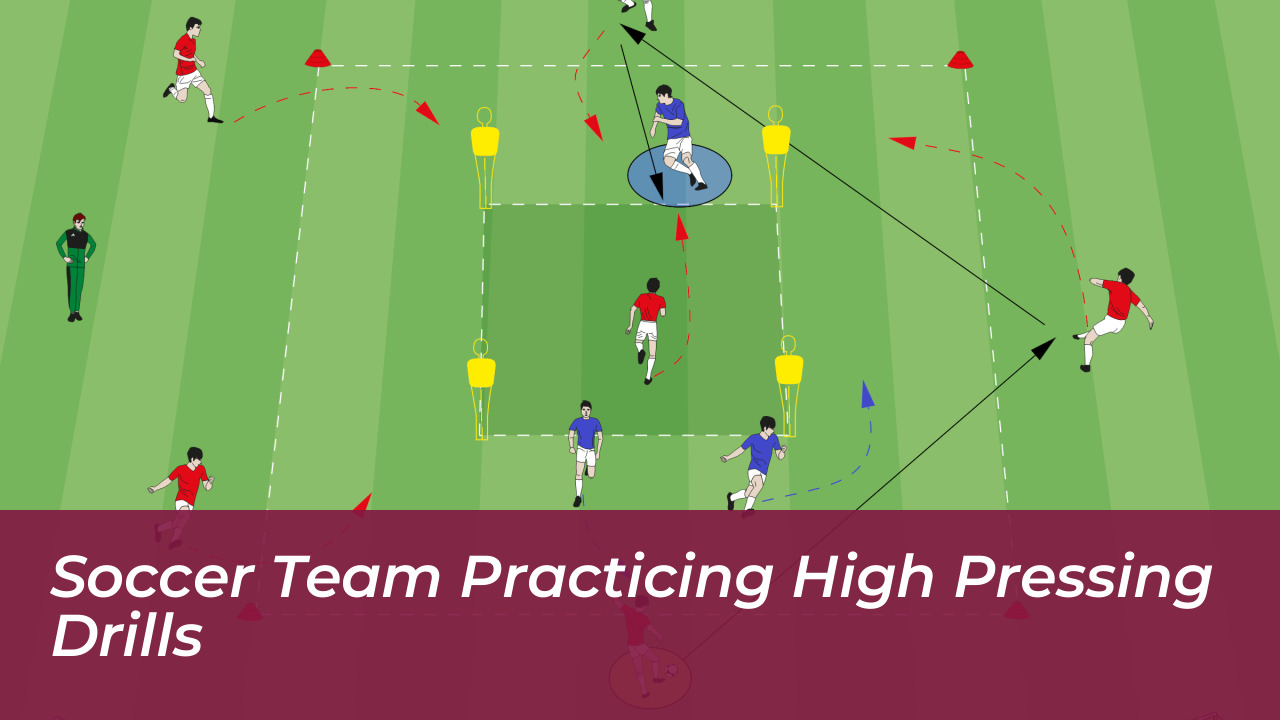
Tactical flexibility allows the team to adapt against different opponents in the league. Midfielders must control possession effectively to dictate match tempos.
Defenders maintain high defensive lines to compress spaces between defensive units. Strikers lead the press from the front to disrupt opponent build-up play.
Core Playing Principles
The tactical identity of the team shifts toward modern continental principles. Players must adapt quickly to high pressing shapes and fluid attacking movements. Reedijk emphasizes that collective team culture bridges individual development with winning results, creating a united dressing room focused on climbing the league table.
Physical conditioning levels rise significantly under the new training regime. Players must exhibit peak fitness to execute high-intensity pressing tactics effectively.
Mental resilience remains equally vital when facing adversity during away matches. Captains and senior leaders guide younger squad members through difficult moments.
Executive Support and Strategic Alignment
Sporting Director Malky Mackay confirms that Reedijk represents a strategic continuation rather than a complete overhaul of the club’s football operations. Leadership evaluates multiple international candidates during the recruitment phase, including Michel Kniat, Vesa Vasara, and Stephen Bradley.
Ultimately, Reedijk emerges as the clear choice following intensive in-person interviews. Executive Chairman Ian Gordon highlights the manager’s intelligence, clarity, and drive. Gordon confirms ongoing board investment to support the squad in domestic and European ambitions.
Data analytics play a massive role in modern football recruitment strategies. Clubs rely on comprehensive performance metrics to identify optimal coaching candidates.
Boardrooms align financial resources with long-term sporting objectives. Sustainable growth ensures stability across all departments at the club.
Key Priorities for the New Management Team
Reedijk faces an immediate mandate to stabilize the squad and implement his tactical blueprint during the international break. The training camp in Spain provides an ideal environment to assess squad depth and integrate returning players.
The management team focuses on installing new tactical structures emphasizing wide play and aggressive defensive shapes. Re-establishing defensive stability remains the top priority before the team travels for a critical away fixture against Dundee United on October 10.
Video analysis sessions help players understand complex tactical concepts quickly. Coaches break down opposition weaknesses to construct effective match strategies.
Recovery protocols keep players fresh throughout an intense fixture schedule. Sports science departments monitor fatigue levels daily.
Broader Context in Scottish Football
The arrival of Reedijk reflects a wider shift within the Scottish Premiership toward progressive continental coaching methodologies. Clubs across the division lean into modern tactical frameworks and data-driven appointments to elevate domestic competitiveness.
Rival Premiership sides navigate concurrent developments during the international window. Heart of Midlothian manager Wouter Vrancken utilizes the break for recovery in Belgium, while Aberdeen works on player contract extensions. A fiercely competitive environment awaits as Reedijk begins his tenure in Edinburgh.
Domestic competition standards rise each season due to superior coaching standards. Fans enjoy higher quality matches across the entire league table.
European qualification spots remain the ultimate objective for ambitious clubs. Strategic investments during transfer windows determine ultimate success.
Frequently Asked Questions
Who is Marink Reedijk?
Marink Reedijk is a 35-year-old Dutch football manager appointed as the head coach of Hibernian Football Club.
What is Reedijk’s recent managerial success?
He recently led SK Beveren to the Belgian Challenger Pro League title and promotion without a single defeat.
What tactical style does Reedijk implement?
He focuses on proactive, high-energy football with intense pressing, fluid attacking movements, and structured defensive shapes.
Who did Reedijk replace at Hibernian?
He replaces David Gray, who departed following a difficult start to the 2026-27 Scottish Premiership campaign.