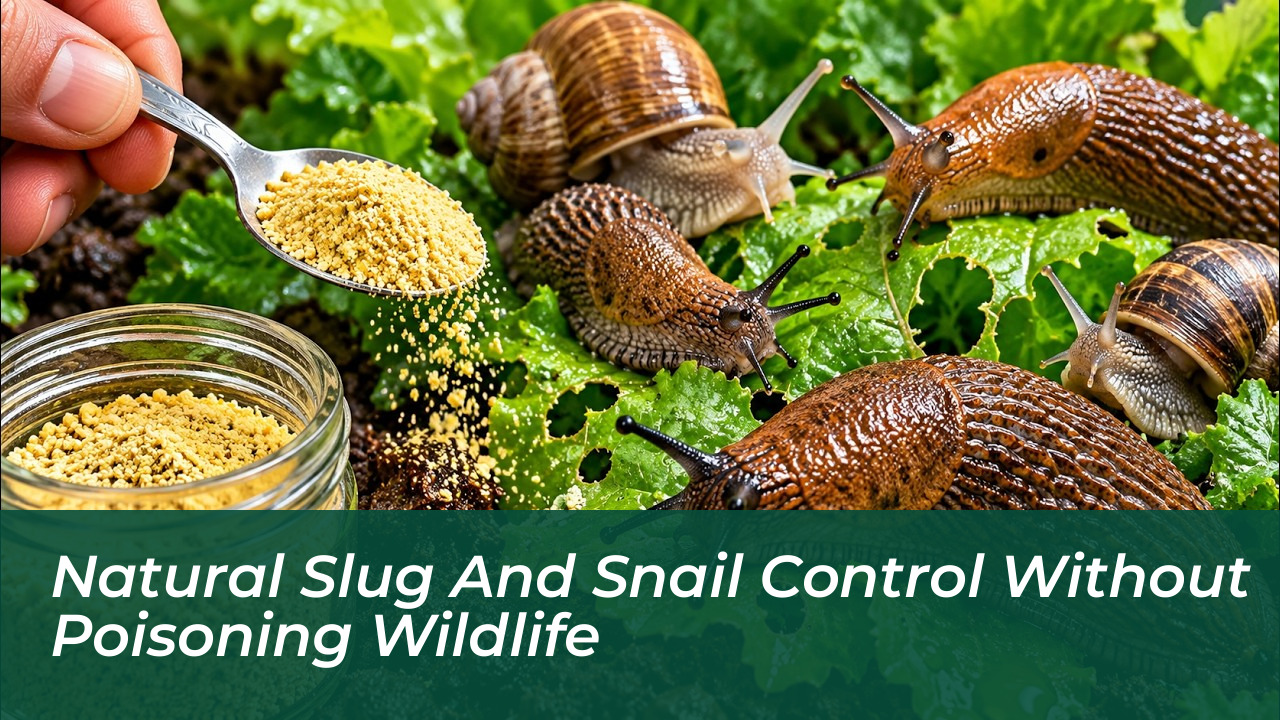

Following the nationwide ban on outdoor metaldehyde slug pellets across the United Kingdom, gardeners face an escalating crisis in their borders and vegetable patches. Wet British summers and mild autumns create the ultimate breeding ground for nocturnal gastropods. They leave prized hostas, delphiniums, and tender seedlings decimated overnight. Professional nursery growers have long bypassed chemical bait in favour of non-toxic physical barriers and biological deterrents. These methods safeguard songbirds, hedgehogs, and domestic pets. Protecting plants without synthetic toxins requires a strategic mix of sensory disruption, population management, and natural soil protection.
The Science of Gastropod Movement and Sensory Deterrence
Slugs and snails rely entirely on a constant layer of secreted mucus to glide across rough soil surfaces. Disrupting this sensitive foot tissue without contaminating soil chemistry remains the foundation of professional slug control. Horticultural professionals exploit two primary biological weaknesses in garden molluscs: electrical micro-currents and dehydrating contact surfaces. When gastropod slime contacts specific metals or sharp, absorbent minerals, it triggers an involuntary nerve response that forces the pest to retreat.
Understanding these natural vulnerabilities allows you to establish impenetrable boundary lines around sensitive beds without synthetic deterrents. Consider implementing these targeted physical barriers:
- Copper alloy contact strips: Genuine copper reacts electrochemically with snail mucus, delivering an imperceptible static shock that repels the mollusc instantly.
- Coarse horticultural grit and crushed shells: Angular minerals create sharp friction points that tender soft-bodied pests avoid traversing.
- Sheep’s wool pellets: Natural wool fibres extract moisture from the pest’s foot, forming an abrasive felt mat that acts as a physical shield around plant stems.
Professional Trap Tactics That Outsmart Molluscs
Direct contact deterrence works best when combined with active population reduction. Rather than scattering harmful pellets, commercial market gardeners create scent lures that concentrate slugs into manageable collection zones. Fermenting yeast produces carbon dioxide and malt aromas that slugs find irresistible from several metres away.
Placing shallow vessels flush with soil lines often leads to unintended casualties, such as beneficial ground beetles. Commercial growers position containers with rims resting approximately two centimetres above the soil surface. This ensures ground-dwelling predators bypass the opening while climbing slugs drop inside. A simple mixture of warm water, dried baker’s yeast, and a spoonful of sugar creates an active fermentation brew that performs just as effectively as commercial lures. Empty and replenish these traps every three to four days, especially after heavy rainfall.
Biological Intervention: The Invisible Soil Shield
While physical barriers defend plants above ground, subterranean damage presents a far more insidious threat. Keel slugs spend daylight hours underground, gnawing through potato tubers, root systems, and emerging shoots before you ever spot them. This is where biological nematodes offer unmatched efficacy without upsetting the garden ecosystem.
Microscopic nematodes (specifically Phasmarhabditis hermaphrodita) seek out soil-dwelling slugs and infect them with a targeted natural bacterium. The pests cease feeding within days and perish underground, leaving no toxic residue. To maximise their effectiveness, adhere to strict application guidelines:
- Soil temperature requirements: Apply nematodes when soil temperatures remain consistently above five degrees Celsius, typically between spring and late autumn across Britain.
- Moisture maintenance: Keep the treated soil consistently damp for at least two weeks to allow the microscopic worms to navigate through the soil profile.
- Targeted application: Water the nematode solution directly around root zones during overcast weather or dusk to prevent UV light degradation.
Companion Planting and Aromatic Repellents
Integrating naturally resistant flora into your landscape provides continuous passive defence. Certain plants naturally repel these slimy invaders through intense scents, rough textures, or natural chemical compounds:
- Lavender and Rosemary: Their intense essential oils create an invisible aromatic barrier that soft-bodied mollusks find overwhelming.
- Lamb’s Ear: The dense, woolly texture traps moisture and feels uncomfortable for slugs attempting to cross.
- Alliums: Producing strong sulfur compounds similar to garlic and onions, these plants create an effective repellent zone around vulnerable root crops.
Frequently Asked Questions
Are organic slug control methods as effective as chemical pellets?
Yes, when used as part of an integrated pest management strategy. While a single method may not eliminate every pest, combining physical barriers, biological nematodes, and yeast traps offers superior, long-term protection without environmental toxicity.
When is the best time to apply biological nematodes?
Apply beneficial nematodes during spring and autumn when soil temperatures remain consistently above 5°C and moisture levels are high. Ensure the soil stays damp for at least two weeks post-application for optimal results.
Do copper tape barriers really work on pots and raised beds?
Copper tape creates a mild electrochemical reaction with slug mucus, delivering a harmless static sensation that deters them from crossing. Ensure the tape remains clean and free of dirt bridges to maintain effectiveness.
How do I make a safe DIY beer or yeast trap?
Mix warm water, a teaspoon of dried baker’s yeast, and a teaspoon of sugar in a shallow container. Position the container with its rim raised two centimetres above the soil to protect ground beetles while trapping climbing slugs.
Are coffee grounds effective against garden snails?
Used coffee grounds offer a mild deterrent due to caffeine and texture, but they work best when combined with other barrier methods, as heavy rain diminishes their potency quickly.