Netflix expands its true-crime portfolio with UNABOMBER, a biographical drama examining the formative years of Ted Kaczynski. Released globally on September 25, 2026, the feature film pivots away from standard procedural tropes to investigate the intersection of elite academia, controversial psychological experimentation, and radical isolation. The narrative employs a dual-timeline structure, crosscutting between Kaczynski’s early intellectual awakening at Harvard University and the extensive federal manhunt that ultimately ended his multi-decade bombing campaign.
- The Cast and Creative Vision Behind Unabomber
- Jacob Tremblay as Young Ted Kaczynski
- Russell Crowe and the Harvard Experiments
- Supporting Cast and Production Team
- Deconstructing the Dual-Timeline Narrative
- Intellectual Awakening and Academic Isolation
- The Longest Domestic Manhunt in FBI History
- Uncovering the Deeper Historical Context
- The Shadow of Institutional Experimentation
- Anti-Modernist Philosophy and the Cabin Isolation
- De-escalating Serial Killer Mythology in Cinema
- Humanizing Vulnerability Before Radicalization
- The Evolution of True-Crime Streaming Dramas
- Societal Impact and Historical Reception
- Cinematography and Sound Design Choices
- Frequently Asked Questions
- When Was Unabomber Released on Netflix?
- Who Plays the Young Ted Kaczynski?
- Is Shailene Woodley’s Character Based on a Real Person?
- What Historical Experiments Does the Film Cover?
- What Was the Main Motivation Behind the Production?
The Cast and Creative Vision Behind Unabomber
Jacob Tremblay as Young Ted Kaczynski
Jacob Tremblay portrays a 16-year-old Ted Kaczynski navigating the overwhelming social and intellectual pressures of Harvard. Tremblay avoids cartoonish villainy, choosing instead to ground his performance in the isolation of a young man experiencing intense alienation among his peers. The young actor draws upon his own experiences of working in professional environments dominated by adults, channeling that specific brand of displacement into Kaczynski’s early academic struggles.
Director Janus Metz praised Tremblay during production for his refusal to let vanity interfere with the harsh truths of the character. The performance focuses on human vulnerability rather than sensationalized evil, forcing the audience to observe how a brilliant mind slowly unravels under immense pressure.
Russell Crowe and the Harvard Experiments
Academy Award winner Russell Crowe stars as Professor Henry Murray, a real-life Harvard psychologist whose controversial experiments deeply impacted Kaczynski. Murray subjected selected undergraduate students to intense, ego-deflating stress tests as part of his psychological research. The film explores how these institutional trials potentially weaponized an already fragile intellect.
Crowe brings a commanding presence to the role, capturing the arrogant authority of mid-century academia. His interactions with Tremblay form the emotional core of the Harvard timeline, highlighting the ethical boundaries crossed in the name of behavioral science.
Supporting Cast and Production Team
Shailene Woodley rounds out the primary cast as Joanne Miller, a fictionalized FBI agent tasked with tracking down the elusive bomber. Annabelle Wallis joins the ensemble as Christiana Morgan, Murray’s academic partner at the Harvard Psychological Clinic. Their performances anchor the investigative side of the dual narrative.
Director Janus Metz brings a background in gritty character studies, having previously directed Borg vs McEnroe and All the Old Knives. Screenwriters Sam Chalsen and Nelson Greaves penned the script, working from historical accounts of Kaczynski’s early life to ensure factual accuracy alongside dramatic tension.
Deconstructing the Dual-Timeline Narrative
Intellectual Awakening and Academic Isolation
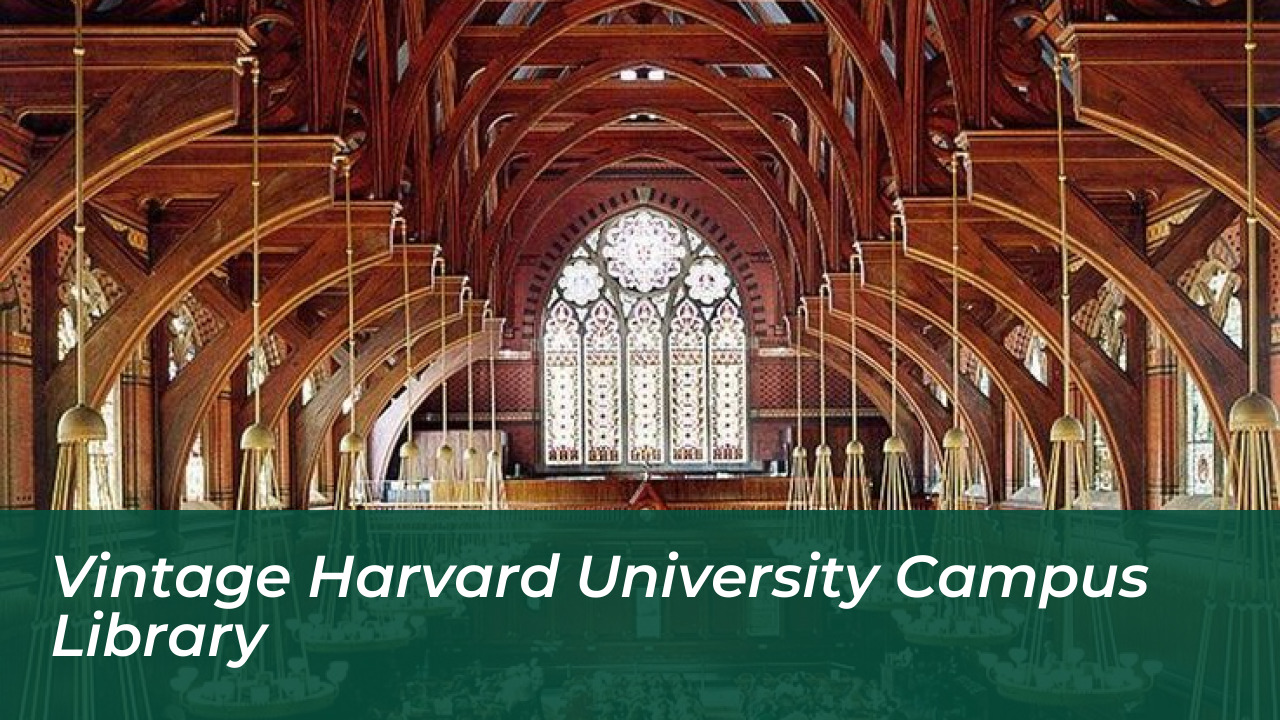
Examining Kaczynski entering Harvard at age 16 reveals the immense social and intellectual pressures faced by an isolated math prodigy. The film contrasts his initial academic brilliance with his profound inability to connect with fellow students. This disconnect plants the early seeds of his lifelong resentment toward modern societal structures.
The academic timeline captures a claustrophobic campus atmosphere. Classrooms and dormitories feel less like halls of higher learning and more like testing grounds for psychological endurance.
The Longest Domestic Manhunt in FBI History
The film crosscuts to the 17-year mail-bombing campaign targeting universities, airlines, and computer stores. This domestic terror campaign resulted in three fatalities and 23 injuries, sparking the longest and most expensive domestic investigation in Federal Bureau of Investigation history. The procedural timeline highlights the painstaking detective work required to track a suspect who left virtually no digital footprint.
Law enforcement agents face dead ends for decades, relying on linguistic analysis and public appeals to finally break the case. This juxtaposition between the lonely university years and the frantic federal search creates a gripping rhythm.
Uncovering the Deeper Historical Context
The Shadow of Institutional Experimentation
The film analyzes the direct link between Henry Murray’s stress-testing research and CIA MKUltra-adjacent projects active during the same era. While mainstream accounts often gloss over this detail, the screenplay highlights how mid-century psychological methodologies contributed to the subject’s radicalization. Students were subjected to verbal abuse and psychological manipulation under the guise of scientific progress.
This institutional complicity raises uncomfortable questions about how modern psychological practices shape vulnerable individuals. The narrative suggests that the system Kaczynski eventually attacked bore some responsibility for creating him.
Anti-Modernist Philosophy and the Cabin Isolation
The narrative connects Kaczynski’s rejection of industrial technology to these early formative university experiences. The architectural symbolism of the remote Montana cabin within the film’s second timeline reflects the ultimate physical manifestation of his intellectual isolation. Every piece of wood and tool in that cabin represents a complete withdrawal from a society he deemed toxic.
The anti-modernist philosophy did not appear overnight. The film traces its roots directly back to the alienation Kaczynski felt during his teenage years in Cambridge.
De-escalating Serial Killer Mythology in Cinema
Humanizing Vulnerability Before Radicalization
The deliberate choice of casting a beloved actor like Jacob Tremblay challenges standard criminal tropes in biographical cinema. By focusing on human frailty and institutional complicity rather than sensationalized violence, the filmmakers offer a nuanced study of radicalization. Audiences witness a frightened adolescent before he transforms into a national threat.
This approach strips away the mythical aura often assigned to domestic terrorists in pop culture. It presents the character not as a supervillain, but as a deeply broken human product of his environment.
The Evolution of True-Crime Streaming Dramas
Streaming platforms are actively moving away from procedural worship toward deep psychological analysis. UNABOMBER represents a shift in how Hollywood handles true crime, prioritizing sociological critique over easy entertainment. Exploring the roots of domestic terrorism through a dramatic lens encourages viewers to question the societal structures that allow such tragedies to incubate.
Societal Impact and Historical Reception
Public response to the film centers on its unsettling portrayal of academic negligence and institutional experimentation. Historians note that bringing these early Harvard trials to a mainstream audience sheds necessary light on forgotten ethics violations. Viewers and critics alike appreciate the detailed set design and authentic mid-century wardrobe choices.
Psychology professionals have praised the accurate depiction of cognitive stressors used during the post-war research era. These discussions highlight how historical dramas can successfully educate modern audiences without glorifying criminal actions.
Cinematography and Sound Design Choices
Director of photography Greig Fraser utilizes muted color palettes to isolate the cold academic environment from the wild Montana wilderness. Every frame captures the claustrophobia of Kaczynski’s internal world through tight framing and shadowy lighting. Minimalist musical cues heighten the rising tension without relying on cheap jump scares.
Sound designers carefully layer industrial noises over quiet academic halls to foreshadow the mechanical violence of the later bomb plots. These subtle auditory choices draw viewers deeper into the psychological deterioration of the central figure.
Frequently Asked Questions
When Was Unabomber Released on Netflix?
The film premiered globally on Netflix on September 25, 2026, making it available to subscribers worldwide as part of the platform’s autumn prestige slate.
Who Plays the Young Ted Kaczynski?
Actor Jacob Tremblay portrays Ted Kaczynski during his teenage years as an isolated math prodigy navigating the halls of Harvard University.
Is Shailene Woodley’s Character Based on a Real Person?
No, Shailene Woodley plays Joanne Miller, a fictionalized FBI agent created by the writers to represent the collective investigative force behind the historic multi-decade manhunt.
What Historical Experiments Does the Film Cover?
The film explores the controversial psychological stress experiments conducted by Harvard professor Henry Murray on select undergraduate students during the mid-20th century.
What Was the Main Motivation Behind the Production?
The creative team aimed to analyze the complex environmental factors and institutional pressures that shape extreme domestic radicalization over time.