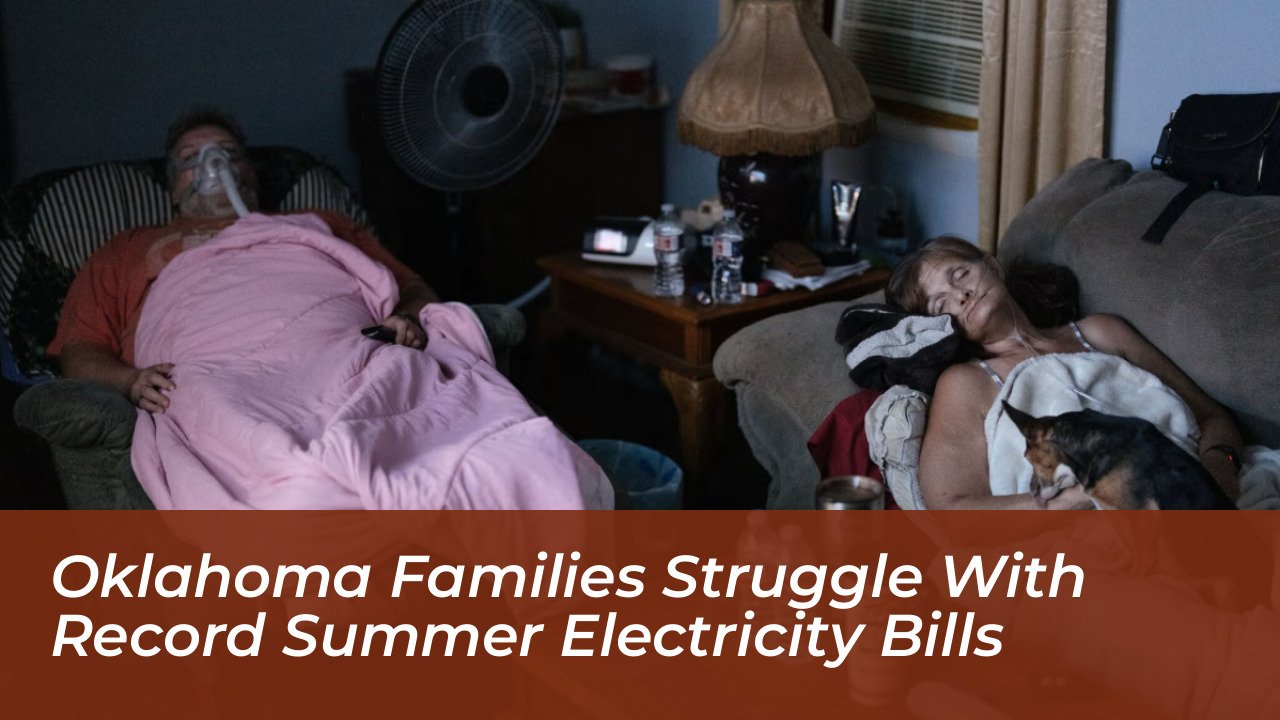

Families across Oklahoma are struggling to pay soaring electricity bills following the hottest summer on record in the United States. The extreme weather has forced some households to take drastic conservation steps, such as restricting air conditioning to a single room, just to keep cooling costs manageable.
This financial strain has created a dangerous environment, particularly for vulnerable residents who depend on essential medical equipment and now face potential power disconnections as seasonal temperatures begin to fall.
The Human Cost of Record Heat
The severity of the crisis is evident in households statewide where residents are forced to make hard choices between basic needs and utility payments. For 58-year-old Genia Weitz, the situation reached a critical point when she received a disconnection notice last month detailing an outstanding electricity balance of $1,340.96.
According to the notice, Weitz was given just nine days to pay the total amount after the local heat index dropped to 99 degrees. This threshold marked the end of temporary protections that had prevented utility providers from disconnecting customers during the peak of extreme summer weather.
To survive the worst of the summer heat, Weitz and her husband, Daryl Mason, spent months largely confined to a single 300-square-foot living room inside their three-bedroom, two-bathroom home. The couple relied on a single window-mounted air conditioner, using heavy blankets and window shades to prevent cool air from escaping into the remainder of the house.
The Broader Utility Crisis
The challenges faced by Oklahoma residents highlight a wider systemic issue regarding extreme weather vulnerability and utility affordability. When prolonged heatwaves force air conditioning units to run continuously, energy consumption spikes dramatically. This leaves lower-income households and fixed-income seniors with bills they cannot afford.
Key Factors Driving High Energy Bills
- Sustained High Temperatures: Record-breaking heatwaves across the United States forced cooling systems to operate at maximum capacity for weeks on end.
- Fixed Income Vulnerability: Households operating on limited budgets struggle to absorb sudden, massive increases in monthly utility expenses.
- Medical Equipment Needs: Residents requiring continuous-use medical devices cannot simply turn off power, leaving them fully exposed to spiking rates and balances.
- Expiration of Protections: Temporary moratoria on utility shut-offs usually lift once heat indices fall below specific local thresholds, triggering immediate collection notices.
Coping Strategies and Future Outlook
As communities transition away from peak summer conditions, advocacy groups and utility customers are calling for longer-term solutions to address escalating energy burdens. Many families continue to navigate accumulated debt from the summer months, seeking payment plans or utility assistance programs to avoid losing service completely.
Without structural changes in how extreme weather utility shut-offs are regulated and how low-income energy efficiency is funded, households in Oklahoma and across the region remain at high risk during subsequent climate extremes.