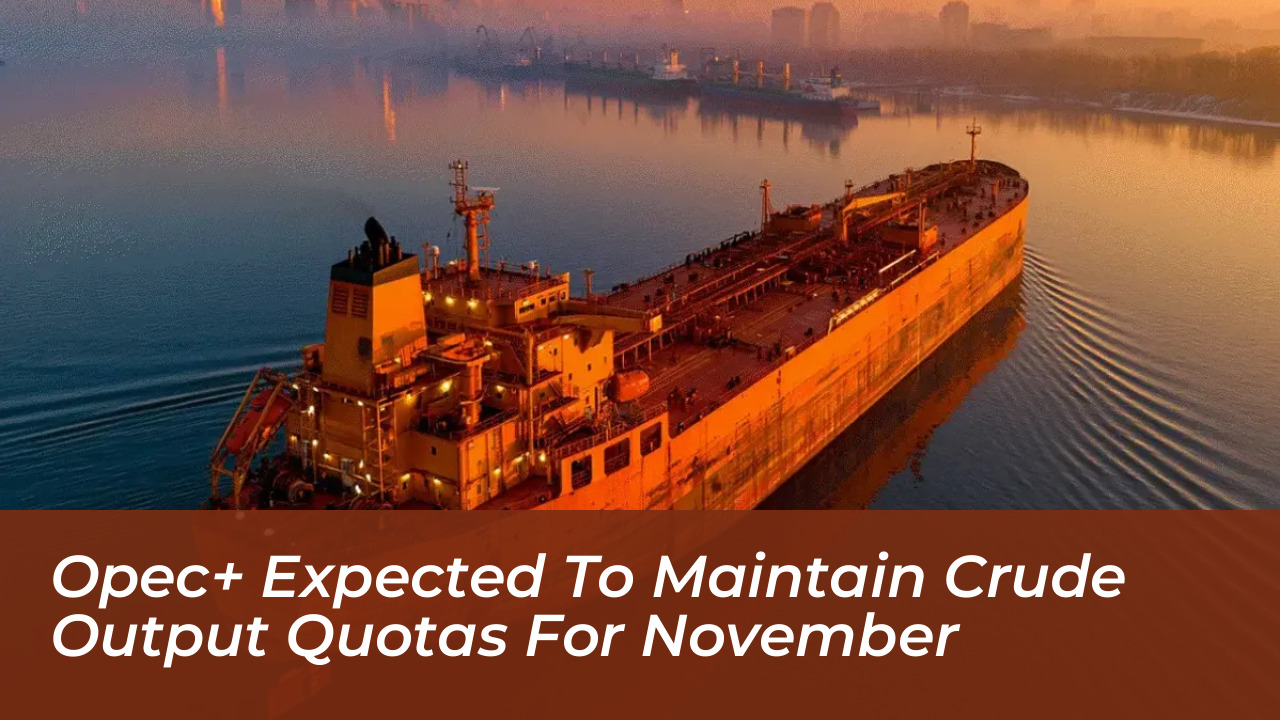
Major crude producers led by Saudi Arabia and Russia are set to maintain current oil production quotas for November during a scheduled virtual meeting on Sunday, October 4. The anticipated rollover comes as ongoing regional conflict limits actual output capacity across the Middle East regardless of official production targets.
The policy continuation follows an earlier decision made on September 6, when core members Saudi Arabia, Russia, Iraq, Kuwait, Kazakhstan, Algeria, and Oman agreed to hold October output requirements stable. That pause came after the alliance previously raised production limits by roughly 800,000 barrels per day between April and July, followed by smaller monthly adjustments of approximately 190,000 barrels per day.
Market Realities Versus Official Targets
Market analysts note that official quotas currently have a reduced impact on actual physical supply because active military conflict in Iran keeps regional output significantly lower than permitted levels. Although the 23-nation alliance has formally completed unwinding supply reductions implemented in 2023, that reversal has remained largely symbolic on the ground.
Delegates indicated there is no immediate plan to restart another layer of production halted in 2022 until at least the end of the year. That second tranche of supply would present operational challenges to bring back due to long-term under-investment, ongoing sanctions, and infrastructure outages across several member nations.
Export Recovery and Future Baselines
Despite capped production capacities, physical shipments from Middle Eastern exporters have shown signs of recovery. Kpler data records September crude exports rising to approximately 16 million barrels per day, marking the highest volume since late February when the regional conflict began.
A key factor shaping future policy is an upcoming review of individual members’ production capacity. Oil ministers are expected to examine findings from independent consultants like DeGolyer and MacNaughton when they hold a formal meeting on November 29. These assessments will help establish definitive output baselines heading into 2027.
Key Details of the OPEC+ Policy Stance
- Scheduled Meeting: Virtual gathering set for Sunday, October 4.
- Core Leadership: Headed by major exporters including Saudi Arabia and Russia.
- Production Quotas: November levels expected to remain completely steady following October’s pause.
- Export Volume: September physical shipments reached approximately 16 million barrels per day.
- Focus Shift: Attention moving toward upcoming capacity reviews to define 2027 baselines.
The status-quo decision removes a source of immediate volatility for traders monitoring geopolitical developments. With official targets remaining secondary to actual physical flows, market participants continue to watch diplomatic channels and regional export recovery metrics for direction.