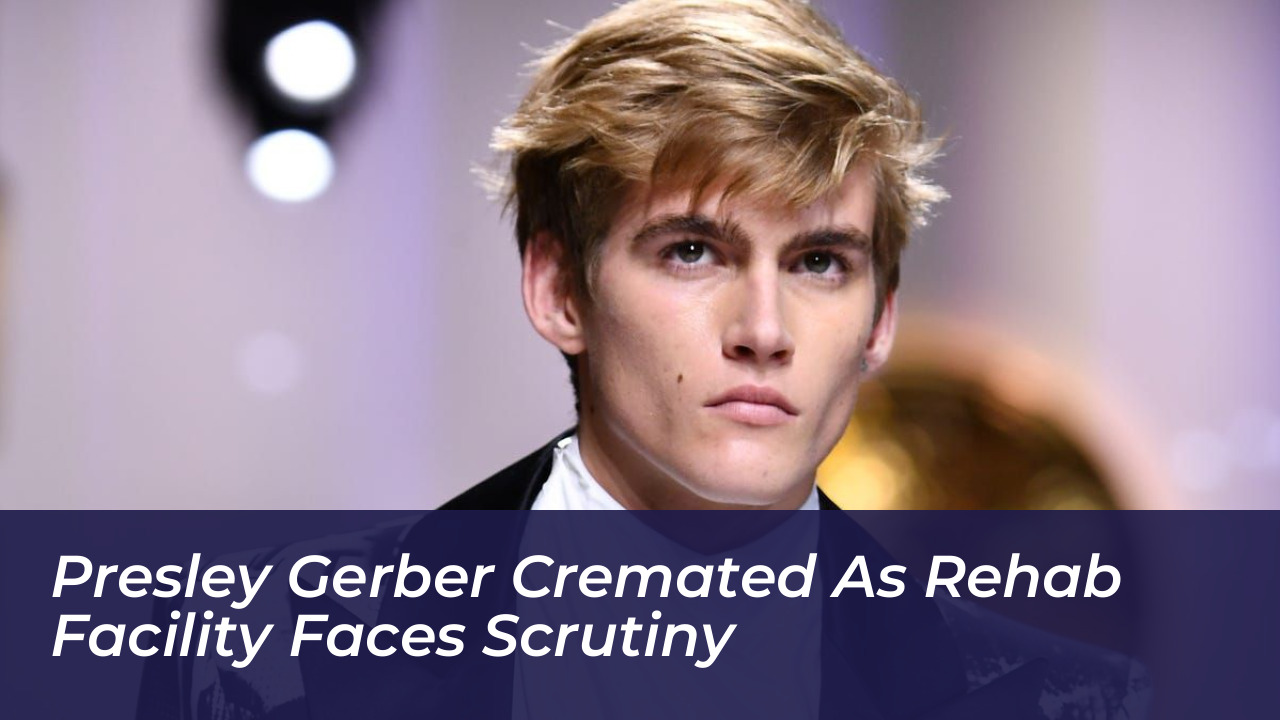
The sudden passing of 27-year-old Presley Gerber at a Santa Monica recovery residence has sparked intense public debate over the oversight of addiction treatment housing. First responders pronounced Gerber dead on September 20 following an emergency response to Resolutions Living, an upscale sober living home. While the Los Angeles County Department of Medical Examiner deferred official cause and manner of death pending toxicology results, family members proceeded with a private cremation at Rose Family Funeral Home. Beyond the personal tragedy for supermodel Cindy Crawford and businessman Rande Gerber, this incident exposes profound regulatory vulnerabilities within California’s recovery housing framework.
- The Regulatory Divide in California Recovery Housing
- The California Department of Health Care Services Oversight
- The Accountability Gap in Santa Monica
- Facility Licensing Comparison
- Controversies Surrounding Facility Leadership
- National Discrepancies in Sober Home Regulations
- Critical Questions Families Must Ask Before Placement
- Broader Implications for Addiction Treatment Reform
- Finding Verified, Safe Recovery Resources
- Frequently Asked Questions
- What is the main difference between a treatment center and a sober living home?
- Are sober living homes inspected by the state of California?
- How can families verify if a recovery facility is safe?
The Regulatory Divide in California Recovery Housing
Understanding the addiction recovery sector requires analyzing the sharp legal distinction between clinical treatment facilities and peer-supported residential environments. Many families assume that any upscale facility providing housing for individuals in recovery operates under strict medical supervision. However, state laws draw distinct boundaries regarding oversight, licensing requirements, and clinical capabilities.
The California Department of Health Care Services holds statutory authority to license and inspect residential alcohol and drug treatment facilities. These licensed centers maintain clinical staff, structured therapeutic programming, and rigorous medical safety protocols.
The California Department of Health Care Services Oversight
The state regulatory agency explicitly states that it does not license, certify, or investigate complaints against sober living environments or transitional living homes. Sober living residences function primarily as shared housing options that maintain alcohol- and drug-free environments. Under state law, these homes operate outside clinical oversight as long as they restrict their scope to peer support and basic house rules. They do not require a state health license if they omit medical detoxification management, individual psychotherapy, and formal addiction treatment planning.
Families often confuse the comfortable amenities of luxury residences with professional medical care. This misunderstanding creates dangerous gaps in patient safety, particularly when residents require clinical intervention or close physiological monitoring.
The Accountability Gap in Santa Monica
Because sober living homes fall outside clinical licensing mandates, they frequently evade direct state-level investigations into daily operating standards. While these residences secure local business licenses and comply with municipal zoning ordinances, local authorities seldom evaluate the clinical readiness of the staff.
Law enforcement sources confirmed that detectives are actively tracing the source of the substances involved in the fatal incident at Resolutions Living. When individuals enter a sober environment immediately following an active relapse or detox period, their physiological tolerance is dangerously low. Housing them in a facility lacking licensed medical professionals creates severe life safety risks.
Facility Licensing Comparison
| Facility Type | State Licensing Agency | Required Services | Medical Supervision |
|---|---|---|---|
| Residential Treatment Center | California DHCS | Detox, therapy, structured clinical care | Required on-site or on-call medical staff |
| Sober Living Home | None at State Level (Local Permits Only) | Peer support, drug-free housing, house rules | Typically none; relies on peer oversight |
Controversies Surrounding Facility Leadership
Public scrutiny surrounding Resolutions Living intensified as investigative reports uncovered the professional history of its founder, Reza Nabavi. State records revealed that Nabavi’s registered psychologist license was temporarily revoked in 2006. Following this disciplinary action, the state placed him on probation for five years and required him to abstain entirely from alcohol and controlled substances.
While Nabavi’s psychology license is currently active and valid through June 2028, the historical disciplinary action prompts sharp questions from consumer advocates. Critics argue that individuals seeking upscale addiction recovery housing deserve complete transparency regarding the administrative backgrounds of facility operators.
The juxtaposition of a founder with a past licensing suspension running an unlicensed sober residence fuels broader debates about the commercialization of luxury recovery housing in Southern California. Families paying exorbitant monthly fees expect rigorous administrative integrity and vetted leadership at every level of the organization.
National Discrepancies in Sober Home Regulations
California’s hands-off regulatory approach to sober living homes contrasts sharply with the statutory frameworks of other states. The lack of uniformity across state lines creates a confusing patchwork for families desperate to find safe housing during a medical crisis.
For instance, Arizona enforces strict regulatory standards through the Arizona Department of Health Services. Arizona requires sober living homes to secure state licensure, meet minimum health and safety codes, and adhere to formalized operational guidelines. These mandated standards ensure that residences housing individuals in recovery maintain baseline safety protocols, including staff training for medical emergencies.
In contrast, states like California rely heavily on voluntary certification programs, such as those offered by the California Association of Sober Living Homes. However, compliance with these trade associations remains voluntary, meaning uncertified homes operate with virtually no external quality control.
Critical Questions Families Must Ask Before Placement
Families navigating the high-stress transition of moving a loved one from a clinical detox center to a sober living home must proactively vet the facility. Relying on marketing brochures or aesthetic appeal can prove fatal. Healthcare advocates recommend asking specific, direct questions before signing any residency agreements:
- Does the residence hold any state health license, and which specific state agency issued it?
- Are staff members certified or trained to recognize and respond to acute drug overdoses?
- Is naloxone kept on site, and is staff authorized to administer it immediately?
- What are the exact protocols if a resident arrives showing signs of active intoxication or withdrawal symptoms?
- Does the facility coordinate with licensed outpatient medical providers to ensure continuous clinical care?
Broader Implications for Addiction Treatment Reform
The death of Presley Gerber serves as a catalyst for legislative discussions regarding addiction treatment reform in California. Lawmakers face mounting pressure to close the oversight gap that allows residential homes to market themselves as therapeutic environments while avoiding clinical accountability.
Legal experts predict a rise in civil litigation following overdose deaths in unlicensed facilities. When luxury residences charge premium monthly fees while failing to provide adequate oversight or emergency response protocols, liability questions multiply. Attorneys specializing in wrongful death litigation emphasize that discovery processes in these cases scrutinize staff-to-resident ratios, intake sobriety screenings, and the presence of contraband within the facility.
Finding Verified, Safe Recovery Resources
For families seeking legitimate, clinically monitored addiction treatment and transitional support, relying on verified public databases is essential. Unregulated marketing sites often direct families to facilities based on referral fees rather than clinical suitability. Trusted resources for locating licensed care include:
- FindTreatment.gov: A confidential tool managed by the Substance Abuse and Mental Health Services Administration to locate licensed public and private facilities.
- SAMHSA National Helpline: Available at 1-800-662-4357, offering free, confidential, 24/7 treatment referral and information services in English and Spanish.
Frequently Asked Questions
What is the main difference between a treatment center and a sober living home?
Residential treatment centers hold state licenses to provide clinical care, therapy, and medical detox. Sober living homes offer peer support and drug-free housing without clinical oversight.
Are sober living homes inspected by the state of California?
No state agency licenses or inspects sober living residences in California unless they operate a licensed clinical program on site.
How can families verify if a recovery facility is safe?
Families should check state licensing databases, confirm staff medical credentials, and ask about emergency overdose protocols before enrollment.
As investigators continue to examine the exact timeline of Presley Gerber’s final hours at Resolutions Living, the broader medical community emphasizes the urgent need for systemic reform. Protecting vulnerable individuals requires closing regulatory blind spots and ensuring that no residential recovery home operates without mandatory safety standards.