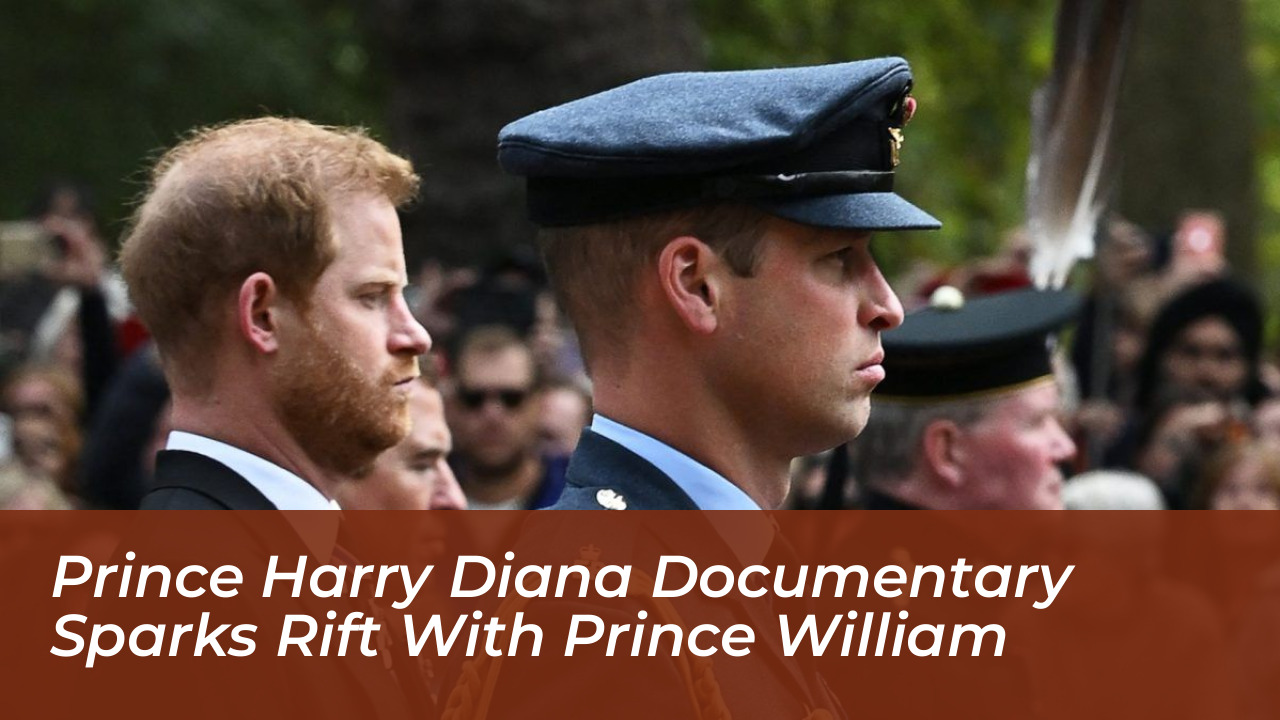
Prince Harry is actively weighing a television documentary project to commemorate the 30th anniversary of Princess Diana’s death in August 2027. This potential production threatens to shatter the fragile status quo between the Duke of Sussex and his brother, Prince William. Insiders close to the Sussex camp confirm that preliminary discussions are underway, though network agreements remain unfinalized. The concept emerged shortly after Earl Spencer published his memoir, Swan Song: Diana, My Sister, in which he revealed that Harry approached him to take part in a film initiative. This prospective film venture directly challenges a formal understanding established in 2017.
- The 2017 Pledge and the Fragile Royal Truce
- Unilateral Action Versus Shared Legacy
- Commercialization Fears and the Netflix Factor
- The Archival Control and Licensing Battle
- The Spencer Family Alignment and Windsor Distance
- Expert Analysis on the Permanent Royal Chasm
- Financial and Reputational Stakes for Modern Broadcasters
- Historical Precedents in Royal Media Management
- Frequently Asked Questions
The 2017 Pledge and the Fragile Royal Truce
In the summer of 2017, the royal brothers presented a united front. They participated in two major documentary projects, including ITV’s Diana, Our Mother: Her Life and Legacy and the BBC’s Diana, 7 Days. During those media engagements, Prince William explicitly stated that speaking so candidly about their mother was a singular event. He conveyed to journalists that he would not open up in that manner again. That joint appearance served as a powerful bonding moment, acting as emotional glue for siblings who shared an irreplaceable childhood trauma.
However, years of estrangement, geographical separation, and ideological friction have dissolved that partnership. If Prince Harry moves forward with a solo documentary for the 2027 milestone, Prince William faces a stark dilemma. He must decide whether to honor his original pledge of silence or issue his own separate tribute to counter any narrative presented by his brother. The 2017 anniversary featured extensive cooperation between William and Harry. Both brothers publicly agreed to limit future public disclosures regarding their mother. Unilateral action by Harry removes the joint ownership of Diana’s public remembrance.
Unilateral Action Versus Shared Legacy
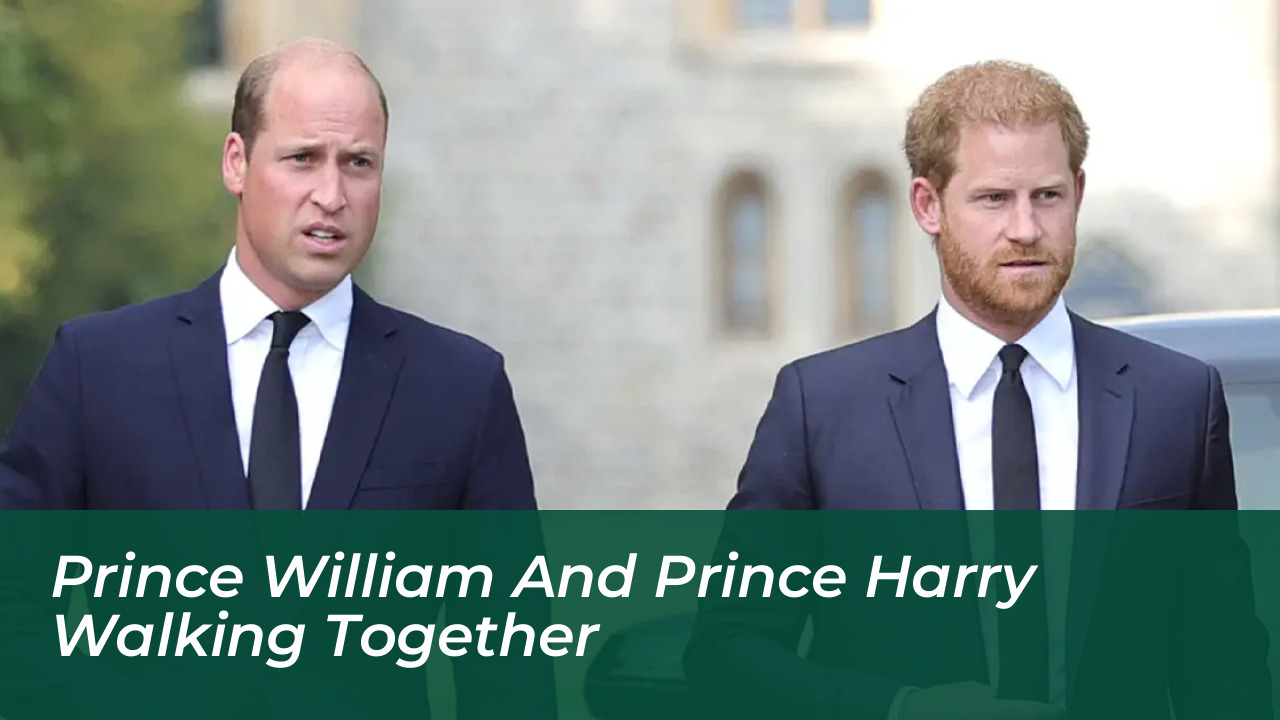
Examining Earl Spencer’s memoir, Swan Song: Diana, My Sister, alongside Harry’s outreach for the film initiative highlights a major shift in royal dynamics. The approach represents a definitive move away from joint ownership of public remembrance toward individual, competing narratives. When siblings in the public eye curate separate historical records, the public receives fragmented versions of shared history.
Prince William faces a complex choice. He can honor the original pledge of silence and allow his brother’s narrative to stand uncontested, or he can issue a separate counter-tribute. Choosing silence risks letting the Sussex camp define the historical legacy of the 30th anniversary. Issuing a counter-tribute, however, risks fueling the very media circus both princes previously vowed to avoid.
Commercialization Fears and the Netflix Factor
A primary concern among royal commentators is the monetization of Princess Diana’s memory. Prince Harry and Meghan Markle maintain a production contract with Netflix. Industry analysts note that any major documentary spearheaded by Harry will likely land on the streaming platform due to their first-look agreement. Critics argue that commercializing Diana’s life through a for-profit streaming service risks alienating the British public and infuriating senior royals.
Royal experts point out a sharp contrast in how the brothers handle their mother’s archival material. For instance, Prince William vehemently criticized the use of the controversial 1995 BBC Panorama interview, urging broadcasters never to air it again due to the deceitful methods used by Martin Bashir. Conversely, Prince Harry and Meghan incorporated footage from that same interview into their own Netflix docuseries. This divergence signals that Harry’s approach to their mother’s history embraces the raw and contested elements of her narrative.
The Archival Control and Licensing Battle
Access to official BBC, ITV, and photographic archives requires institutional cooperation or significant capital. A detailed breakdown of how third-party documentary makers secure rights to historic footage without royal backing remains a major hurdle for independent productions. When royal backing is absent, producers face steep financial and legal barriers to licensing official newsreels and family photographs.
Institutional gatekeeping impacts narrative control over historical events. Without the endorsement of the wider royal family, production teams must rely on alternative archival sources, private collections, and international news agencies. This independence grants creative freedom but also increases the risk of factual pushback from palace officials who guard the official historical record.
The Spencer Family Alignment and Windsor Distance
Harry’s strategic pivot toward his maternal lineage through close cooperation with Earl Spencer marks a major shift in his public positioning. By working directly with the Spencer family, Harry redefines public memorials independently of traditional Windsor oversight and palace protocols. This alliance bypasses the traditional gatekeepers of the British monarchy.
The impact of this alliance on broader royal power dynamics is profound. For decades, official royal commemorations followed strict palace guidelines. By aligning with the Spencers, Harry establishes a parallel track for honoring his mother, one that exists completely outside the control of King Charles and Prince William.
Expert Analysis on the Permanent Royal Chasm
Royal analysts and brand strategists agree that a solo documentary about Princess Diana will deepen the rift between the siblings and close the door on any near-term reconciliation. Industry experts suggest that if Harry has any thoughts about returning to formal royal duties or repairing ties, this project stops that progress permanently.
Additional industry insiders suggest that the project could also draw scrutiny toward the wider royal family. Books such as Charles Spencer’s memoir already drag historical friction back into the headlines, reminding palace officials of the intense public interest surrounding the late princess. Bringing those events back to television screens guarantees renewed media storms for King Charles and Queen Camilla.
Financial and Reputational Stakes for Modern Broadcasters
Production studios invest heavily in royal retrospectives to capture global streaming audiences during milestone calendar years. Independent directors pitch ambitious storytelling formats that transcend standard biographical retrospectives by incorporating newly discovered audio recordings. Streaming executives evaluate potential subscriber surges against anticipated public backlash before greenlighting sensitive archival projects.
Independent production houses often partner with international distribution networks to mitigate financial exposure on controversial documentary features. Securing global licensing rights requires navigating complex legal frameworks across multiple jurisdictions to prevent copyright infringement claims. These financial maneuvers determine whether a project achieves worldwide profitability or remains restricted to regional markets.
Historical Precedents in Royal Media Management
Palace communications teams monitor unauthorized media projects closely to protect the overarching institutional brand of the British monarchy. Previous anniversaries demonstrate how proactive press strategies can neutralize unfavorable narratives generated by independent biographers. Senior advisors coordinate closely with senior royals to draft unified public statements before competing documentaries hit broadcast schedules.
Archival curators maintain strict guidelines regarding the commercial licensing of iconic photographs and television broadcasts from the nineteen-nineties. Unauthorized biographers frequently encounter bureaucratic delays when requesting access to official state archives for non-sanctioned television specials. These administrative hurdles force independent production teams to rely on costly private collections and foreign news agencies.
Frequently Asked Questions
When is the anniversary of Princess Diana’s death?
Princess Diana passed away following a car crash in Paris on August 31, 1997. August 2027 marks the milestone 30th anniversary of her death.
Is Prince Harry’s documentary officially confirmed?
No formal production plan or network release is locked in. Sources close to the Duke of Sussex confirm that discussions are underway, but final decisions on the format and distribution are pending.
Will Prince William participate in the 30th-anniversary project?
Given the ongoing estrangement between the brothers and Prince William’s previous pledge to limit open public commentary on their mother, joint participation is highly unlikely.
Where would the documentary likely air?
Industry experts believe Netflix is the most probable home for the project due to the multi-year production deal held by Prince Harry and Meghan Markle.