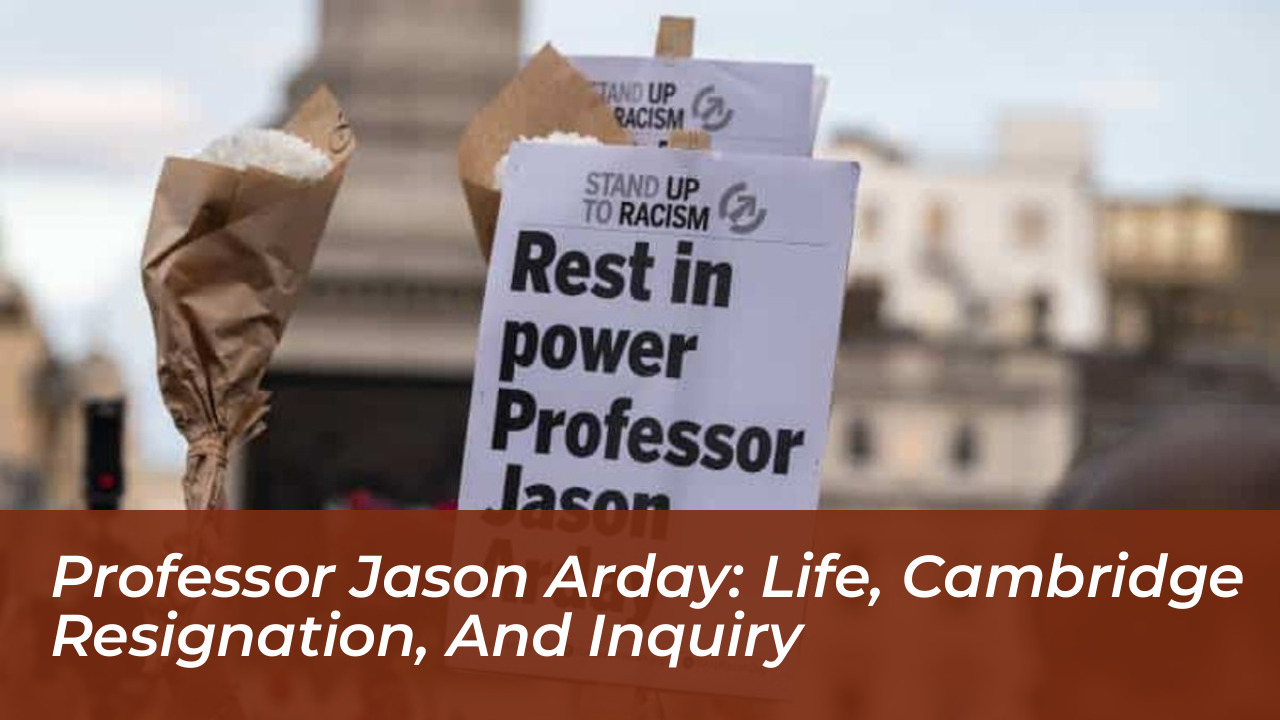
The academic community in the United Kingdom reeled following the tragic death of Professor Jason Arday at age 41. Found unresponsive at his home in Battersea, south London, on August 14, 2026, Arday passed away just over a week after resigning from his position as the professor of sociology of education at the University of Cambridge. Metropolitan Police confirmed that his death was unexpected but not treated as suspicious.
- An Unlikely Ascent to Elite Academia
- Overcoming Severe Developmental and Educational Hurdles
- Academic Progression and Research Contributions
- The Origins of the Plagiarism and Credential Controversy
- Public Accusations and Media Scrutiny
- Institutional Responses and Defense of Scholarly Work
- Resignation and the Escalating Institutional Inquiry
- The University of Cambridge Independent Review
- The Tragic Passing in Battersea
- Broader Impact on Higher Education and Diversity
- The Symbolic Weight of Minority Representation
- Systemic Questions for University Administrators
- Frequently Asked Questions
- What was Professor Jason Arday known for?
- What led to the controversy surrounding Professor Arday?
- How did Professor Arday overcome his early educational hurdles?
- What broader discussions has this tragedy sparked in British academia?
Arday’s sudden death occurred in the wake of an intense public and institutional inquiry into his academic record, publications, and biographical claims. His appointment to Cambridge in February 2023 at age 37 made headlines globally as he became the youngest Black professor in the institution’s history. His passing sparked an intense debate regarding academic integrity, media scrutiny, institutional duty of care, and the pressures faced by minority scholars in elite British universities.
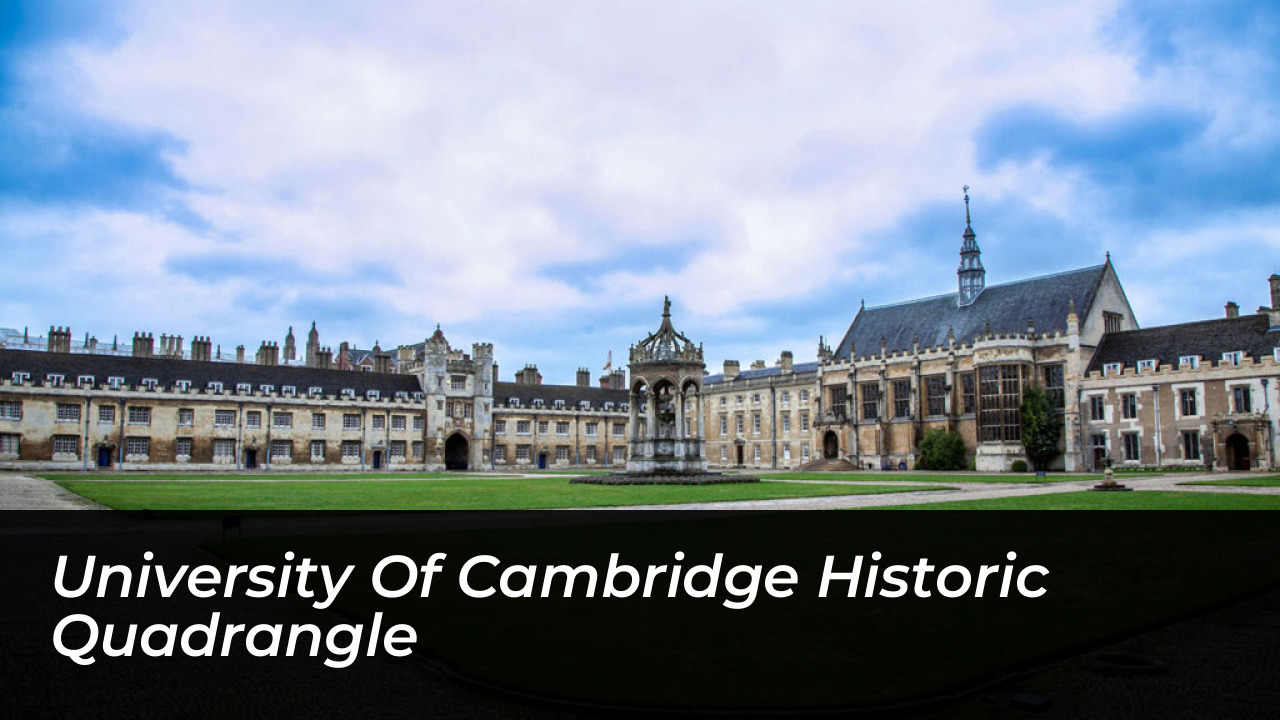
An Unlikely Ascent to Elite Academia
Overcoming Severe Developmental and Educational Hurdles
Jason Arday’s journey to a professorial chair at Cambridge stands as one of the most unconventional biographies in modern British academia. Raised in south London, Arday spoke openly about his early developmental challenges. Diagnosed with autism, he remained non-verbal until age 11 and did not learn to read or write until age 18. Medical professionals and educational psychologists initially suggested that he would require assisted living in adulthood.
Defying these early assessments, Arday pursued education with relentless determination. He mastered basic literacy through intense repetition and sheer willpower, eventually bridging a massive educational divide that would have deterred most individuals. His early struggles shaped his later academic interests, particularly his focus on inclusive education and the structural barriers that prevent marginalized groups from entering higher learning institutions.
Academic Progression and Research Contributions
Arday earned a degree in education and physical education, followed by two master’s degrees. He completed his Doctor of Philosophy at Liverpool John Moores University in 2015. Before his appointment at Cambridge, he held academic positions at Durham University and the University of Glasgow, focusing his research on race, inequality, and widening educational participation. His publications challenged traditional pedagogical frameworks and sought to dismantle systemic racism in British schools.
In 2012, his inspiring personal narrative earned him selection as an Olympic torchbearer for the London Games. This recognition celebrated his transition from a non-verbal teenager requiring specialized support to an inspiring educator dedicated to lifting others. His ascent was widely celebrated as a triumph of human potential over rigid institutional barriers.
The Origins of the Plagiarism and Credential Controversy
Public Accusations and Media Scrutiny
The controversy surrounding Arday began in July 2026 when Nathan Cofnas, a former Cambridge philosophy researcher who had been dismissed by Emmanuel College over criticism of diversity policies, publicly accused Arday of plagiarism. Cofnas stated that text-matching software flagged passages in Arday’s 2015 doctoral thesis and subsequent journal articles that closely mirrored earlier scholarly works. National newspapers, including The Times and The Telegraph, subsequently investigated Arday’s academic record and personal claims.
Investigators questioned elements of his biography, including details regarding charitable fundraising endurance events and the publication status of a listed book titled Being Young, Black and Male: Challenging the Dominant Discourse. Further scrutiny arose ahead of the release of his memoir, Great and Unfortunate Things, published by Simon and Schuster. The mounting media attention created an unforgiving environment that magnified every discrepancy.
Institutional Responses and Defense of Scholarly Work
Liverpool John Moores University stated that its previous review of Arday’s doctoral thesis found no evidence of academic misconduct, attributing textual similarities to inadvertent referencing errors rather than intentional fraud. Arday steadfastly maintained his innocence, attributing early citation errors to his neurodivergent background and reliance on mimicry during his formative educational years. He characterized the mounting attacks as an ideologically motivated campaign designed to undermine his professional standing.
Despite these explanations, the digital outrage machine continued to amplify the claims. Academic institutions find themselves poorly equipped to handle targeted social media campaigns that merge legitimate peer review inquiries with political animosity. The rush to judgment in public forums often outpaces the measured pace of institutional due process.
Resignation and the Escalating Institutional Inquiry
The University of Cambridge Independent Review
As public commentary intensified, the University of Cambridge shifted from initial expressions of support to launching a formal internal inquiry. On August 5, 2026, Cambridge announced that it received new information concerning Arday’s academic qualifications and honorary appointments, prompting an independent review led by senior academics. Hours after the announcement, Arday submitted his resignation from Cambridge and Jesus College, citing an unbearable personal toll.
In his resignation statement, he wrote that the relentless accusations and public speculation had reached the limits of what any individual could reasonably endure. He emphasized that his departure should not be interpreted as an admission of guilt regarding the narratives surrounding him. The speed of his resignation highlighted the immense pressure elite institutions place on high-profile figures when controversies arise.
The Tragic Passing in Battersea
Following confirmation of his death, Arday’s family released a poignant statement through his publisher, highlighting the sustained abuse he endured following his appointment. Jason was subjected to a campaign of sustained abuse for the more than three years since he accepted the role of professor at Cambridge University by those who would leave no stone unturned in their quest to undermine him. The campaign of misinformation was too much for Jason, who was a gentle man and who always wanted to see the best in everyone.
Prominent figures across the UK expressed shock and sorrow. London Mayor Sadiq Khan described the ordeal as a pernicious public shaming. Education Secretary Lucy Powell urged the public to respect the privacy of the grieving family and recognize the human cost behind sensationalized media headlines. Fellow academics and institutional leaders called for a profound reassessment of how universities and media outlets handle high-profile misconduct investigations.
Broader Impact on Higher Education and Diversity
The Symbolic Weight of Minority Representation
Arday’s tenure and tragic death exposed systemic vulnerabilities within British higher education. Data from recent academic years indicated that Black academics accounted for a mere 1 percent of professors across UK universities. Each high-profile appointment carries immense symbolic weight, often positioning minority scholars as lightning rods for broader cultural and political debates regarding meritocracy, institutional inclusion, and academic standards.
When a minority scholar stumbles or faces allegations, the fallout often transcends individual actions. Critics of diversity initiatives use such cases to question the validity of inclusive hiring practices as a whole. This dynamic places an unfair burden on minority academics, who are frequently expected to represent entire demographic groups while operating under hyper-visibility.
Systemic Questions for University Administrators
The circumstances surrounding the investigation raise critical questions for university administrators. How do elite institutions balance transparent accountability with a robust duty of care for employees facing intense public scrutiny? What safeguards protect neurodivergent academics who utilize unique learning and writing methodologies? Where is the operational boundary between legitimate academic peer review and politically motivated online harassment?
Universities must establish clear protocols to support staff members undergoing public investigations without rushing to abandon them under media pressure. Pastoral care cannot end when a faculty member achieves professorial status. Protecting the mental health and well-being of scholars must remain a core institutional priority regardless of their public profile.
Frequently Asked Questions
What was Professor Jason Arday known for?
Professor Jason Arday was a prominent British sociologist of education who became the youngest Black professor in the history of the University of Cambridge in February 2023. He was widely recognized for his research on race, inequality, and widening educational participation, as well as his remarkable personal story of overcoming severe developmental challenges.
What led to the controversy surrounding Professor Arday?
In July 2026, critics accused Arday of plagiarism and credential discrepancies regarding his 2015 doctoral thesis and subsequent publications. While Liverpool John Moores University noted that past reviews found no intentional fraud and attributed matches to referencing errors, the intense public scrutiny and an independent Cambridge inquiry prompted his resignation.
How did Professor Arday overcome his early educational hurdles?
Diagnosed with autism, Arday remained non-verbal until age 11 and did not learn to read or write until age 18. Through immense personal determination, he taught himself literacy, earned multiple degrees, and completed a PhD, turning his lived experience into a powerful platform for educational advocacy.
What broader discussions has this tragedy sparked in British academia?
His passing has ignited urgent conversations regarding institutional duty of care, the treatment of neurodivergent scholars, the mental health toll of high-profile public controversies, and the unique pressures faced by minority academics in elite institutions.