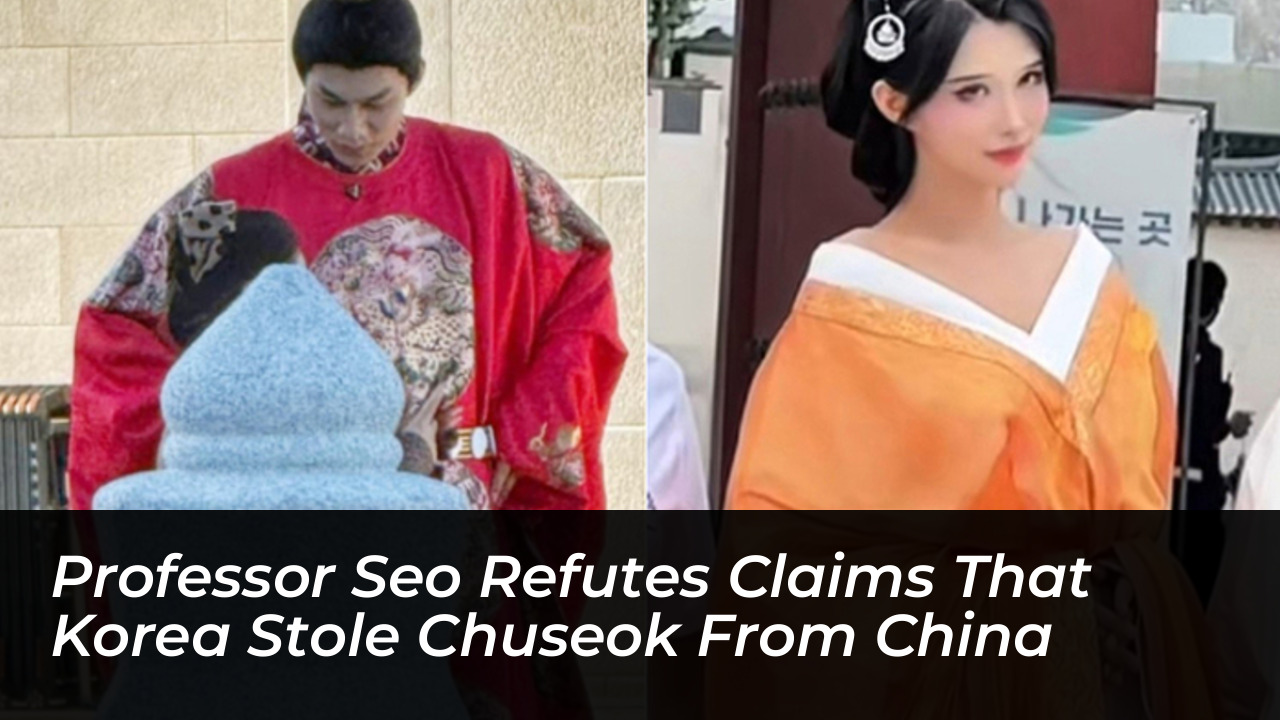
Cultural disputes regarding Korean traditions surfaced once again as online commenters from China asserted that Chuseok, Korea’s major harvest festival, was copied from the Chinese Mid-Autumn Festival. Professor Seo Kyung-duk of Sungshin Women’s University immediately dismantled these allegations. He emphasized the distinct historical backgrounds, rituals, and traditional foods that separate the two observances.
- Introduction to the Chuseok Cultural Dispute
- Dismantling Claims of Cultural Appropriation
- Addressing Online Misinformation
- Historical Roots and Core Philosophies
- Contrasting Traditions: Rituals and Culinary Customs
- Ancestral Rites Versus Lunar Prayers
- Songpyeon Versus Mooncakes
- Comparative Analysis of Autumn Festivals
- Broader Patterns of Online Cultural Tensions
- The Seollal and Lunar New Year Debates
- International Sports Platforms and Global Visibility
- Analyzing the Roots of Cultural Insecurity
- Moving Beyond Criticism to Global Promotion
- Proactive Heritage Documentation
- The Role of Digital Content Creators
- Frequently Asked Questions
- What is the main difference between Chuseok and the Mid-Autumn Festival?
- Why do online disputes occur over these festivals?
- How does Professor Seo Kyung-duk counter misinformation?
- Conclusion
Professor Seo stands at the forefront of digital diplomacy, correcting historical inaccuracies that spread rapidly across global social media platforms. His academic standing allows him to combat misinformation with concrete historical evidence.
Introduction to the Chuseok Cultural Dispute
Social media algorithms frequently amplify nationalistic debates, turning ancient calendar observances into digital battlegrounds where users argue over historical property rights. These online disputes reveal a fundamental misunderstanding of how neighboring Asian societies adapted shared lunisolar calendars to fit their own unique environments.
Professor Seo utilizes his platform to educate global audiences on the true origins of East Asian traditions. By countering viral falsehoods with peer-reviewed historical texts, he protects the integrity of Korean cultural heritage.
Dismantling Claims of Cultural Appropriation
Addressing Online Misinformation
Social media comment sections often transform into hostile arenas for heritage ownership across East Asia. Users frequently mistake shared regional influences for direct cultural theft without examining primary historical documents.
Chronological coincidence on the lunar calendar never equates to a shared cultural genesis. Multiple societies align their festivals with the agricultural cycle without sharing identical foundational rituals.
Historical Roots and Core Philosophies
Chuseok functions as an agrarian harvest festival centered on expressing gratitude for the annual yield. Communities gather to celebrate successful crops and honor the changing seasons through communal feasts.
The Chinese Mid-Autumn Festival focuses primarily on lunar worship, praying to the moon, and celebrating family unity without indigenous Korean agricultural rituals. These distinct theological and practical anchors separate the two holidays.
Contrasting Traditions: Rituals and Culinary Customs
Ancestral Rites Versus Lunar Prayers
Korean charye ceremonies involve elaborate family gravesite tendings and ancestral hometown visits. Families prepare tables featuring freshly harvested grains and fruits to honor their lineage.
Chinese customs revolve around moon appreciation gatherings and direct prayers to celestial bodies. Participants gaze at the night sky rather than tending to family burial sites.
Songpyeon Versus Mooncakes
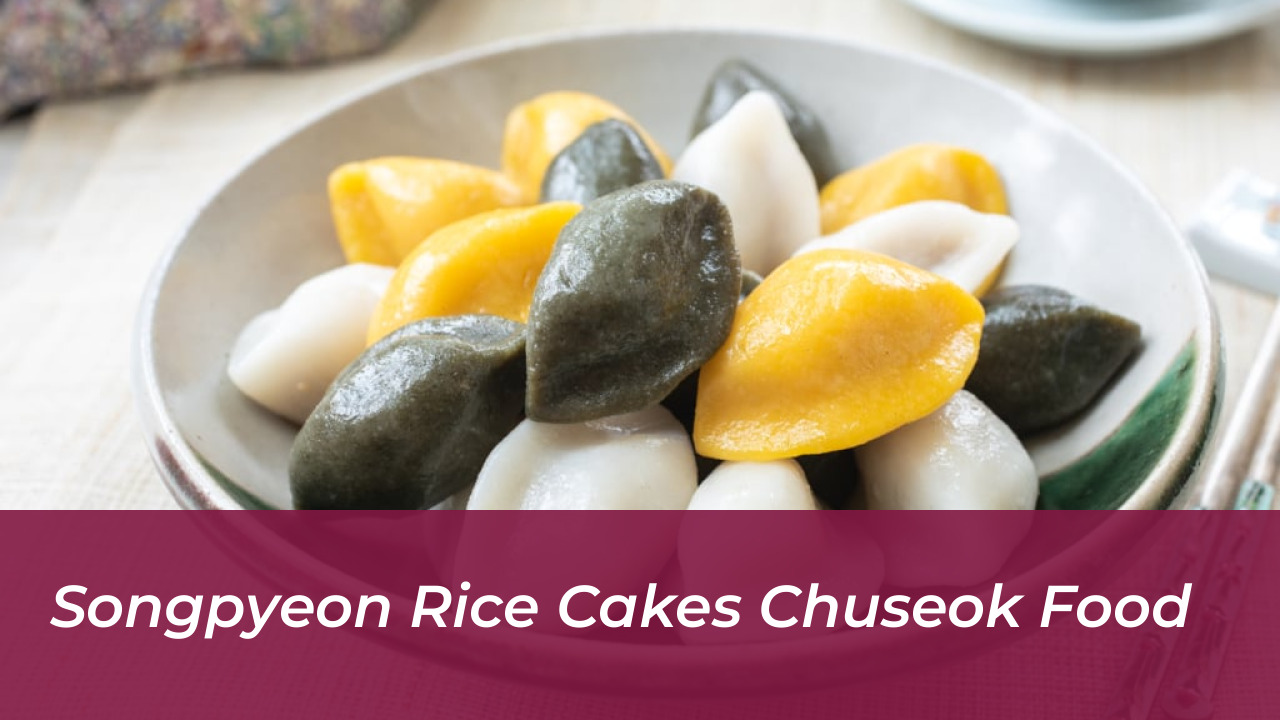
Songpyeon represents the half-moon-shaped rice cakes filled with sweet or savory ingredients like sesame seeds and chestnuts. Kneading the dough into crescent shapes symbolizes a wish for future growth and prosperity.
Mooncakes feature round, full-moon shapes, dense sweet pastes, and intricate embossed patterns. These pastries symbolize completeness and reunion among family members during the autumn equinox.
Comparative Analysis of Autumn Festivals
Reviewing structural differences helps clarify the unique identities of each autumn celebration. The following table highlights the core distinctions between Korean Chuseok and the Chinese Mid-Autumn Festival.
| Feature | Korean Chuseok | Chinese Mid-Autumn Festival |
|---|---|---|
| Primary Focus | Harvest gratitude and ancestral rites | Lunar worship and family harmony |
| Key Rituals | Visiting gravesites and performing charye | Offering prayers to the moon |
| Representative Food | Songpyeon (Half-moon rice cakes) | Mooncakes (Full-moon round pastries) |
| Lunisolar Date | 15th day of the 8th lunar month | 15th day of the 8th lunar month |
Broader Patterns of Online Cultural Tensions
The Seollal and Lunar New Year Debates
Similar online campaigns surface regularly during the Lunar New Year regarding regional customs and traditional greetings. Commentators frequently claim exclusive ownership over shared lunisolar celebrations.
Shared lunisolar calendars naturally fostered distinct regional practices over centuries of independent development. Cultural exchange across borders never precluded the creation of unique local identities.
International Sports Platforms and Global Visibility
Manchester City published a Chuseok greeting video, which triggered immediate online nationalist protests from overseas commentators. Football clubs honoring international fan bases inadvertently stir up digital backlash.
Digital friction operates as a direct reaction to the expanding global footprint of Korean popular culture. Increased visibility brings heightened scrutiny and defensive online reactions from nationalist groups.
Analyzing the Roots of Cultural Insecurity
Professor Seo points out that persistent online claims stem from an underlying cultural inferiority complex. Unfounded accusations emerge when a nation experiences a rapid surge in global cultural influence.
The historical dominance of Western perceptions focused primarily on Chinese and Japanese heritage before the rise of modern Korean media. As global audiences discover Korean culture independently, old geopolitical narratives face disruption.
Moving Beyond Criticism to Global Promotion
Proactive Heritage Documentation
Responding to inflammatory social media posts with passive criticism yields limited results in the digital age. Authorities and educators must build robust digital archives of authentic traditions.
Citizens and institutions must document and share authentic Korean heritage across global digital channels. Clear education prevents the viral spread of historical misconceptions.
The Role of Digital Content Creators
Creators on YouTube, Instagram, and TikTok drive international engagement with traditional garments, cuisine, and history. Modern content formats bridge generational and geographic divides effectively.
Building sustainable cultural ecosystems requires mutual recognition and regional boundary respect. Embracing diversity allows neighboring nations to celebrate their respective histories without conflict.
Frequently Asked Questions
What is the main difference between Chuseok and the Mid-Autumn Festival?
Chuseok is primarily an agrarian harvest festival focused on honoring ancestors and expressing gratitude for crops. The Mid-Autumn Festival centers largely on lunar worship and family reunion.
Why do online disputes occur over these festivals?
Shared lunisolar calendar dates and regional proximity lead online commentators to falsely claim cultural appropriation. Nationalistic social media algorithms further amplify these misunderstandings.
How does Professor Seo Kyung-duk counter misinformation?
He publishes historical evidence, writes open letters to global organizations, and utilizes digital media platforms to educate international audiences.
Conclusion
Professor Seo provides a firm rebuttal in protecting historical accuracy against the rising tide of online misinformation. Combating false narratives requires constant vigilance, education, and pride in authentic heritage.
Appreciating unique regional traditions depends on understanding distinct agricultural roots and culinary practices. Recognizing historical nuances fosters genuine respect across different cultures.