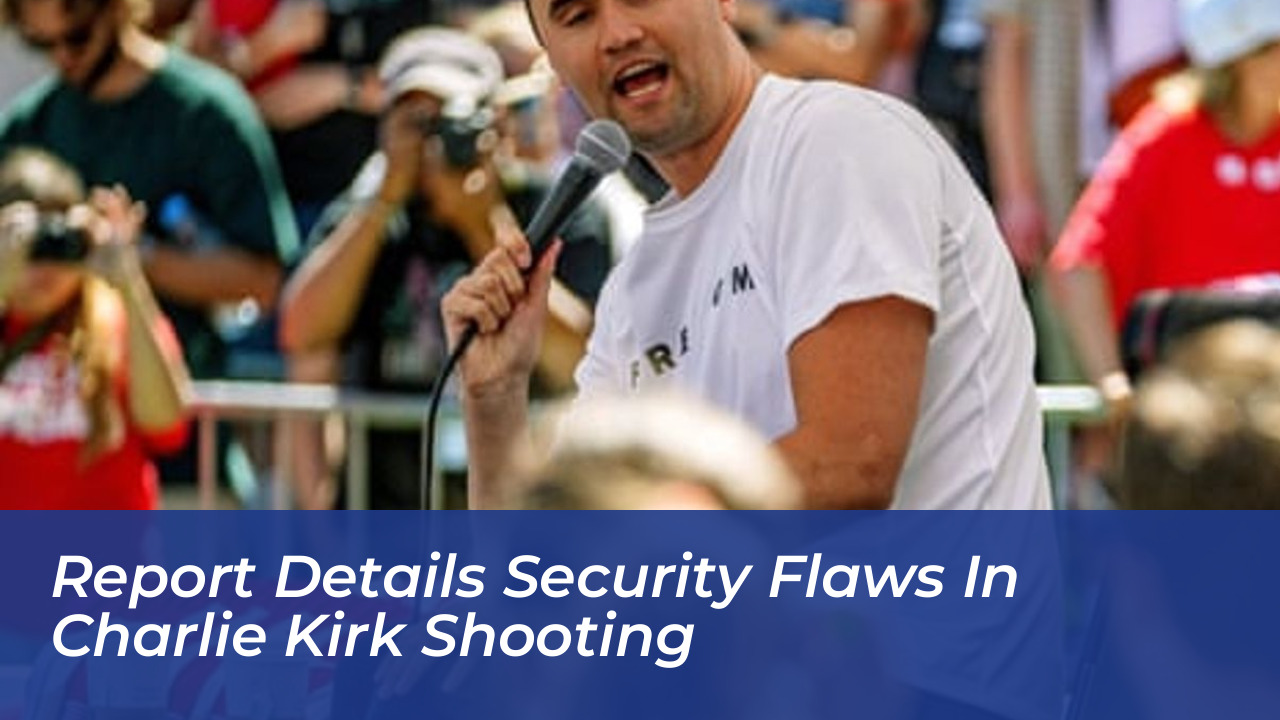
An independent external review details the security failures surrounding the fatal shooting of political commentator Charlie Kirk at Utah Valley University in Orem, Utah. This comprehensive 158-page after-action report was commissioned by the university and compiled by a multidisciplinary team of experts specializing in law, law enforcement, campus safety, and crisis management. Investigators conducted more than 70 interviews and examined thousands of pages of internal documents, operational records, and safety protocols from the September 10, 2025 event.
- Introduction to the Independent Security Review
- Scope and Purpose of the 158-Page Report
- Core Conclusions on Intent and Institutional Gaps
- Venue Selection and Planning Deficiencies
- Disagreements Over Indoor Versus Outdoor Spaces
- Absence of Foundational Protective Measures
- Crowd Management and Screening Failures
- Technology Integration and Command Breakdown
- Underutilized Surveillance and Real-Time Monitoring
- Interagency Communication and Command Ambiguity
- Institutional Accountability and Safety Reforms
- Immediate Structural Restructuring at Utah Valley University
- Ten Core Recommendations for Academic Institutions
- Legal Implications and Ongoing Litigation
- Frequently Asked Questions
- When was the independent security review released?
- Why was the outdoor courtyard chosen for the event?
- What were the primary security omissions identified in the report?
- How is Utah Valley University reforming its safety operations?
Introduction to the Independent Security Review
Scope and Purpose of the 158-Page Report
Commissioned by Utah Valley University, the investigation examined the operational decisions made prior to and during the Turning Point USA gathering. The compiled findings draw on the expertise of seasoned professionals in law enforcement and crisis mitigation. Investigators reviewed thousands of pages of internal records and conducted extensive interviews to construct a complete timeline of the security posture.
The evaluation provides a transparent look at systemic vulnerabilities without placing sole blame on frontline personnel. By analyzing thousands of operational documents, the investigative team established a factual baseline of what went wrong before, during, and after the incident.
Core Conclusions on Intent and Institutional Gaps
The review concludes that no campus employees acted in bad faith or displayed a willful disregard for safety. However, investigators identified severe systemic omissions in threat assessments, resource allocation, and interagency coordination. These planning blind spots created an environment where security protocols failed to match the operational reality of the gathering.
This scrutiny arrives alongside active legal pressure, including a wrongful death notice of claim filed by the Kirk family. Attorneys representing the family argue that administrative decisions amounted to reckless endangerment, making the factual admissions in the after-action report a cornerstone of pending civil litigation.
Venue Selection and Planning Deficiencies
Disagreements Over Indoor Versus Outdoor Spaces
Weeks before the scheduled speaking engagement, campus security officials strongly recommended moving the event to a controlled indoor venue. Despite these warnings, Turning Point USA representatives insisted on utilizing the campus fountain courtyard due to successful prior events held in that exact location. This outdoor site, however, introduced severe tactical vulnerabilities.
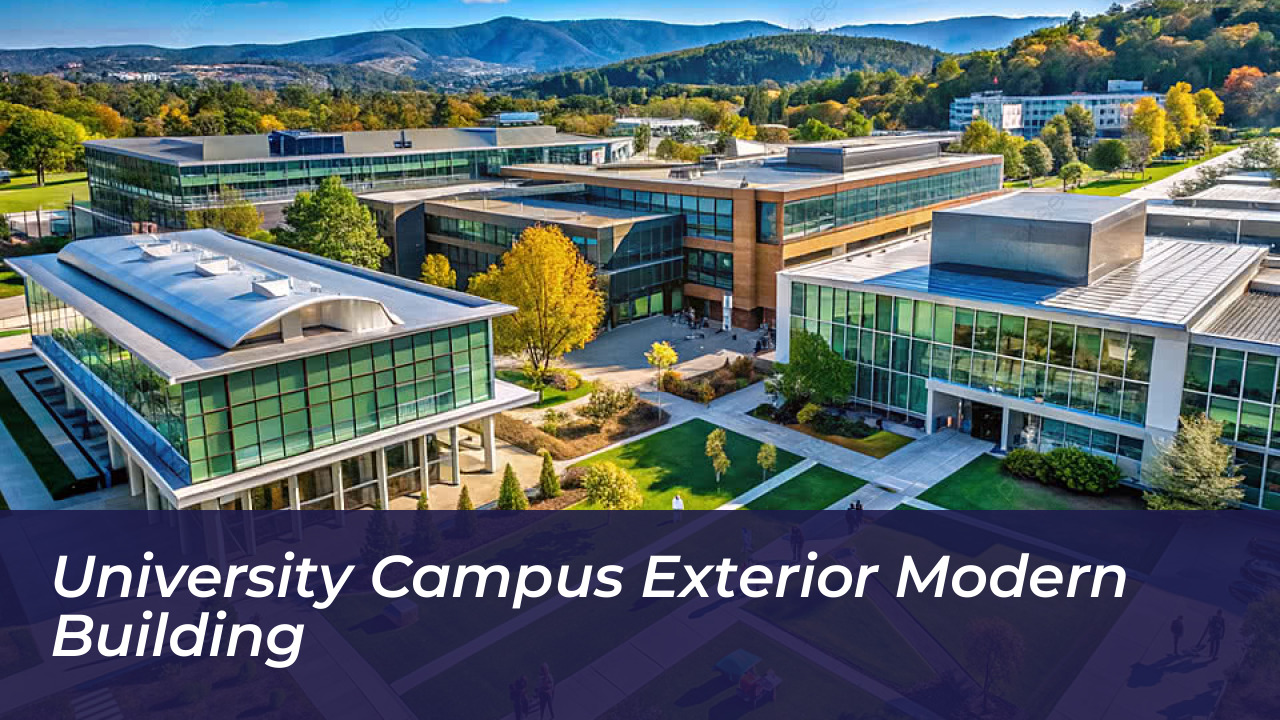
Surrounded by tall academic and administrative buildings, the fountain courtyard lacked controlled perimeters and offered numerous elevated vantage points. The refusal to relocate the event indoors directly conflicted with standard protective operations for high-profile public figures.
Absence of Foundational Protective Measures
The planning phase suffered from a total lack of documented line-of-sight assessments for the surrounding rooftops. Campus authorities failed to formulate a comprehensive, written Event Action Plan, leaving security details reacting in real-time rather than executing a unified strategy. Organizers omitted formal pre-event walk-throughs and safety briefings between university police and private security details.
Without these baseline precautions, critical blind spots remained unaddressed. Security teams operated without a unified understanding of perimeter control, emergency egress routes, or designated defensive zones.
Crowd Management and Screening Failures
Ticketing metrics proved severely inaccurate during the preliminary planning stages. Event organizers projected an attendance of roughly 600 individuals, but actual crowds surged to nearly 3,000 attendees, instantly overwhelming the understaffed security posture. Standard protective screening protocols, including bag checks and metal detectors, were completely absent at the entry points.
Additionally, the university failed to deploy aerial drone surveillance to monitor the elevated rooftops surrounding the courtyard. This oversight left the sniper’s vantage point entirely unobserved during the critical moments leading up to the attack.
Technology Integration and Command Breakdown
Underutilized Surveillance and Real-Time Monitoring
Utah Valley University possessed an advanced network of campus security cameras, but the investigation revealed a major operational flaw. These systems functioned almost exclusively as post-incident investigative tools rather than real-time situational awareness assets. No security personnel were assigned to monitor live video feeds during the gathering.
This gap in live monitoring allowed the sniper to take a position more than 400 feet away on an unmonitored roof without detection. Advanced security technology sat idle while critical zones remained entirely unobserved.
Interagency Communication and Command Ambiguity
Following the initial shots, municipal, county, and federal partners responded with rapid tactical deployment. However, the initial response exposed severe weaknesses in command delegation, message approval workflows, and emergency terminology. Differing radio frequencies and jurisdictional overlaps created confusion among responding units.
Establishing clear operational boundaries during high-profile public campus gatherings remains essential. The report emphasizes that seamless communication between local police, county sheriffs, and federal agencies is non-negotiable for future events.
Institutional Accountability and Safety Reforms
Immediate Structural Restructuring at Utah Valley University
In response to the after-action report, university leadership committed to an immediate overhaul of campus safety operations. The institution initiated an active recruitment process for a dedicated chief public safety officer. This executive will consolidate campus police, emergency management, fire safety, and specialized event protocols under a single chain of command.
University President Jon Anderson stated that the institution must transparently incorporate the lessons learned into daily operations. Restructuring the safety division represents the first step toward restoring trust and ensuring robust protection for students, staff, and visiting speakers.
Ten Core Recommendations for Academic Institutions
The independent review outlines ten actionable recommendations designed to guide academic institutions hosting high-profile public figures. These guidelines provide a roadmap for modernizing campus security frameworks across the country:
- Establish formalized mutual aid agreements with local, state, and federal law enforcement partners.
- Create dedicated intelligence capabilities to evaluate threat levels before approving high-profile speaker events.
- Mandate the integration of comprehensive threat assessments into venue selection and layout approvals.
- Draft detailed, written Event Action Plans for every large-scale public gathering on campus property.
- Deploy active real-time video monitoring teams during major events instead of relying solely on archival recording.
Legal Implications and Ongoing Litigation
The factual admissions contained within the 158-page after-action report carry significant weight for pending civil litigation. Attorneys representing the Kirk family continue their pursuit of institutional accountability, utilizing the report to demonstrate systemic negligence. This ongoing legal battle establishes a new precedent for public universities hosting politically sensitive public figures, forcing institutions nationwide to reevaluate their security liabilities.
Frequently Asked Questions
When was the independent security review released?
The 158-page independent external review was released on September 25, 2026, detailing the security failures surrounding the September 10, 2025 incident.
Why was the outdoor courtyard chosen for the event?
Turning Point USA insisted on using the campus fountain courtyard because the organization had successfully hosted prior events in that exact location, despite campus recommendations for a controlled indoor venue.
What were the primary security omissions identified in the report?
Key omissions included a lack of written Event Action Plans, absent line-of-sight rooftop assessments, no metal detectors or bag checks, and zero live monitoring of advanced campus camera feeds.
How is Utah Valley University reforming its safety operations?
The university is actively recruiting a dedicated chief public safety officer to unify campus police, emergency management, and event protocols under a single executive leader.