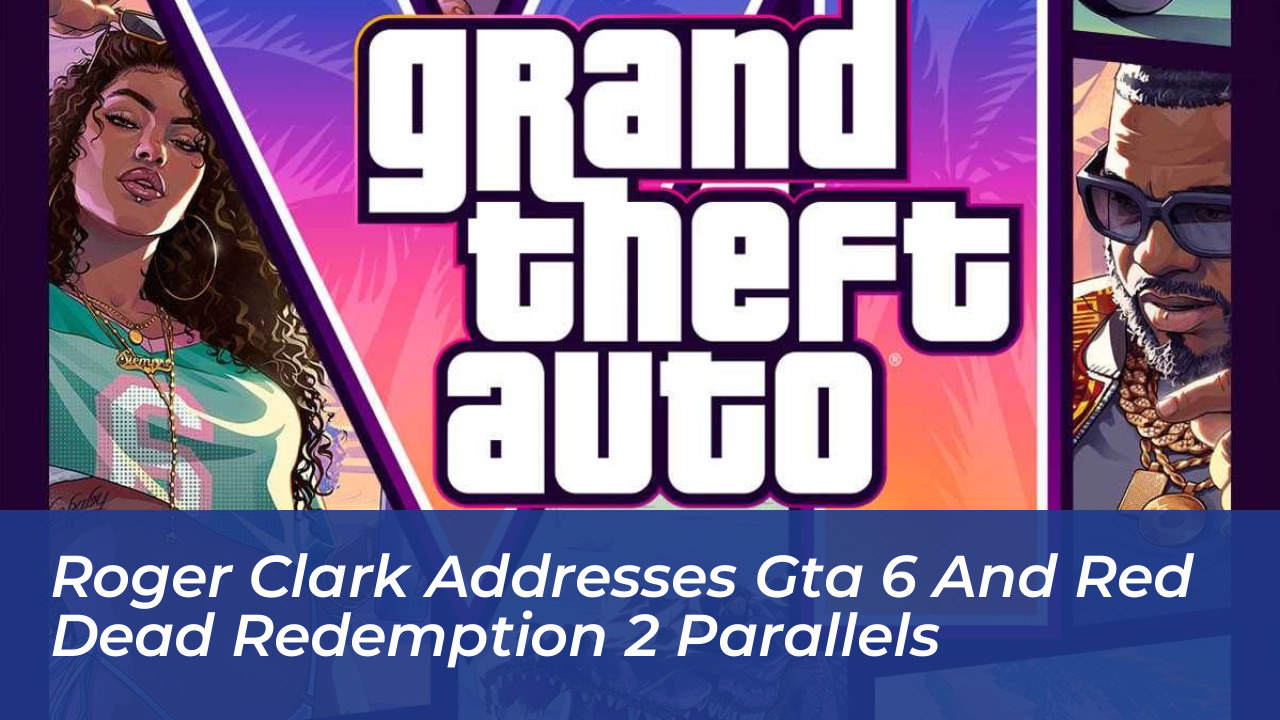
Actor Roger Clark, renowned for his definitive portrayal of Arthur Morgan in Red Dead Redemption 2, recently addressed enthusiastic fan comparisons between his iconic character and Jason, one of the primary protagonists in Rockstar Games’ upcoming title, Grand Theft Auto VI. Speaking during a panel appearance alongside John Marston actor Rob Wiethoff at the FanX Salt Lake Comic and Pop Culture Convention, Clark offered a grounded perspective on the community’s endless theorizing. Gamers across social media platforms have spent months scrutinizing every frame of promotional footage released by Rockstar Games to find hidden links between the two franchises.
- Roger Clark Responds to Grand Theft Auto VI and Red Dead Redemption 2 Fan Theories
- The Inevitable Cycle of Rockstar Sequels and Fan Speculation
- Living in the Shadow of Arthur Morgan
- Why Character Comparisons Remain Premature
- Examining the Jason and Arthur Morgan Visual Parallels
- Aesthetic Overlaps in Promotional Footage
- Contrasting Artistic Visions: Frontier Grit Versus Modern Chaos
- Real-World Inspirations and Rockstar Legal Precedents
- Navigating Viral Internet Moments in Florida
- Historical Legal Battles Involving Rockstar Games
- What Players Should Expect When Grand Theft Auto VI Launches
- Managing Hype and Embracing New Narratives
- Frequently Asked Questions
- Why are fans comparing Jason to Arthur Morgan?
- What did Roger Clark say about the fan comparisons?
- Will Grand Theft Auto VI have the same narrative tone as Red Dead Redemption 2?
These deep dives often highlight striking facial resemblances, posture similarities, and thematic parallels between Jason and Arthur Morgan. Sections of the player base have drawn direct comparisons between the dynamic of Grand Theft Auto VI leads Jason and Lucia and the complicated historical romance shared by Arthur Morgan and Mary Linton. While acknowledging the intense interest surrounding the studio’s next major release, Clark urged fans to temper their expectations until the game actually launches. His comments bring an authoritative voice to the ongoing discussions that dominate gaming forums worldwide.
Roger Clark Responds to Grand Theft Auto VI and Red Dead Redemption 2 Fan Theories
Fans naturally search for continuity, Easter eggs, and spiritual successors within the sprawling worlds crafted by Rockstar Games. Because Red Dead Redemption 2 set a towering benchmark for narrative depth and character development, community members naturally project those high standards onto Grand Theft Auto VI. Clark noted during the convention panel that comparisons to past studio releases are entirely expected. Every project emerging from Rockstar inherits the monumental shadow of its predecessor.
However, the actor cautioned against reading too deeply into promotional trailers before experiencing the complete interactive narrative. Trailers function as meticulously edited marketing tools designed to evoke specific moods, showcase technological leaps, and highlight high-octane set pieces rather than explain intricate character arcs. Clark emphasized that trailers display isolated visual slices rather than complete character motivations, meaning superficial aesthetic similarities rarely dictate narrative complexity.
The Inevitable Cycle of Rockstar Sequels and Fan Speculation
Living in the Shadow of Arthur Morgan
Red Dead Redemption 2 redefined open world storytelling through its slow burn pacing and profound exploration of loyalty, morality, and mortality. Because players invested dozens of hours into understanding Arthur Morgan, they naturally yearn for a similar emotional resonance in future releases. This psychological attachment creates an uphill battle for any subsequent protagonist entering the cultural zeitgeist.
Community members frequently project past standards onto upcoming titles, looking for identical moral struggles and redemption arcs. This relentless search for continuity often overlooks the fact that different franchises operate under entirely different thematic umbrellas. A satirical urban crime drama cannot and should not mirror the melancholic swan song of the dying American frontier.
Why Character Comparisons Remain Premature
Dynamic relationships require dozens of hours of script development to truly parallel legendary predecessors. Judging a character’s worth or personality based on a few seconds of compressed trailer footage disregards the intricate writing process behind modern video games. Until players sit down with the finished title and explore the open world of Leonida, evaluating whether Jason truly matches the gravitas of Arthur Morgan remains an impossible task.
Dynamic storytelling unfolds gradually through organic mission structures, environmental interactions, and player choices. Early marketing campaigns intentionally withhold core plot details to preserve narrative surprises. Accepting this reality helps players appreciate new characters on their own unique merits.
Examining the Jason and Arthur Morgan Visual Parallels
Aesthetic Overlaps in Promotional Footage
Visual scrutiny of Grand Theft Auto VI promotional material reveals why fans immediately connected Jason’s silhouette and wardrobe to the legendary outlaw of the Van der Linde gang. Both characters feature rugged facial hair, weathered expressions, practical outdoor attire, and a brooding demeanor that contrasts sharply with the hyper-satirical environments they inhabit. These visual cues appeal to fans who prefer grounded, serious protagonists over the eccentric chaos typically found in urban crime simulations.
Despite these surface-level design choices, Rockstar Games operates with distinct artistic visions for its contemporary crime dramas compared to its historical western epics. While the nineteenth-century frontier demanded survivalist grit and melancholic reflection, modern Florida offers a vibrant, chaotic backdrop for contemporary criminal enterprise. The silhouette similarities serve as a clever nod to action archetypes rather than a direct narrative continuation.
Contrasting Artistic Visions: Frontier Grit Versus Modern Chaos
| Feature | Red Dead Redemption 2 (Arthur Morgan) | Grand Theft Auto VI (Jason) |
|---|---|---|
| Setting | 1899 American Frontier and Dying Wild West | Modern-Day State of Leonida |
| Core Theme | Redemption, loyalty, and the end of an era | Modern crime syndicate, partnership, and survival |
| Narrative Style | Methodical, tragic, and deeply philosophical | Satirical, high-paced, and culturally reactive |
Real-World Inspirations and Rockstar Legal Precedents
Navigating Viral Internet Moments in Florida
Beyond character analysis, public discussions surrounding Rockstar titles frequently involve real-world inspirations and legal boundaries. When Grand Theft Auto VI dropped its record-breaking debut trailer, it featured numerous direct nods to viral internet moments originating from Florida, ranging from alligator store intrusions to eccentric local figures. This method of environmental storytelling has defined the franchise for decades.
However, it occasionally leads to friction with real individuals who spot similarities between themselves and background characters. Roger Clark is no stranger to these controversies, having previously offered blunt public commentary regarding individuals attempting to demand financial compensation from the developer for perceived likeness usage. Industry veterans often advise caution when real personalities attempt to weaponize viral fame against massive corporate entities.
Historical Legal Battles Involving Rockstar Games
Over the years, numerous high-profile figures and internet personalities have threatened or initiated legal action against Rockstar Games, claiming unauthorized use of their likeness or life stories. Every major attempt has ultimately failed in court, validating Clark’s assertion that the studio maintains formidable legal preparation. Lindsay Lohan filed a lawsuit claiming the character Lacey Jonas in Grand Theft Auto V copied her physical appearance and voice, but a New York appeals panel ultimately dismissed the case.
Similarly, a reality television personality sued the developer for forty million dollars alleging a supporting character was modeled after her life, and the court rejected the claim entirely. Following the first trailer release of the newest title, a viral personality demanded millions in compensation for a tattooed background character. Rockstar Games employs specialized legal frameworks ensuring that satirical parodies remain legally distinct from real individuals, safeguarding their creative freedom while capturing the chaotic essence of modern culture.
What Players Should Expect When Grand Theft Auto VI Launches
Managing Hype and Embracing New Narratives
As the gaming community awaits further updates, the wisdom shared by Roger Clark remains the most reliable guide for managing expectations. Comparing modern protagonists to historical legends highlights the enduring impact of Arthur Morgan, but Grand Theft Auto VI charts an entirely independent path. Fans must learn to separate nostalgia for past masterpieces from the anticipation of upcoming releases.
Rather than looking for an Arthur Morgan clone in the criminal underworld of Leonida, players should prepare for a fresh narrative experience that embraces the distinct satirical tone of the modern era. When the game finally arrives, the true depth of Jason and Lucia will emerge on its own terms, far beyond the initial impressions sparked by early promotional footage.
Frequently Asked Questions
Why are fans comparing Jason to Arthur Morgan?
Fans notice shared visual cues like rugged facial hair, weathered expressions, and practical outdoor clothing in early promotional materials.
What did Roger Clark say about the fan comparisons?
Clark urged fans to maintain realistic expectations and remember that short teaser clips rarely reflect full character arcs.
Will Grand Theft Auto VI have the same narrative tone as Red Dead Redemption 2?
No, the franchise focuses on modern satire and urban crime rather than the melancholic atmosphere of the dying frontier.