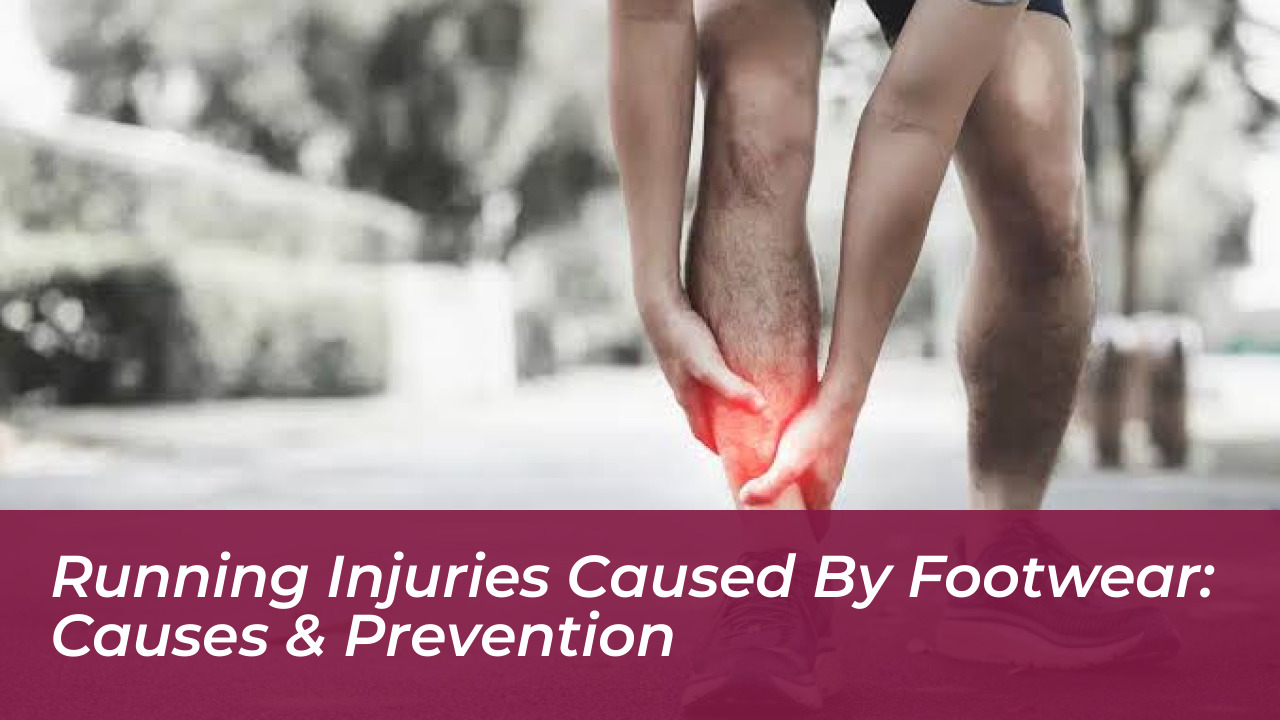
Running injuries receive immediate attribution to training errors, such as abrupt mileage spikes, insufficient recovery intervals, or hip musculature weakness. However, an extensive body of clinical literature points directly to running footwear choices as a primary extrinsic driver of lower limb pathology. Shoes act as the sole mechanical interface between the runner and the ground, dictating how forces distribute across joints, tendons, and bones. When footwear characteristics fail to match individual physiological tolerances or introduce abrupt kinematic changes, they create localized mechanical overloads that manifest as specific overuse injuries.
- The Evolution of Footwear Paradigms and Injury Etiology
- The Pronation Control Paradigm and Its Fallacies
- Impact Force Modification and the Cushioning Debate
- The Habitual Joint Path Theory
- The Comfort Filter Hypothesis
- Detailed Breakdown of Footwear-Induced Running Injuries
- Subungual Hematoma and Forefoot Trauma
- Plantar Fasciitis and Heel Pain
- Achilles Tendinopathy and Calf Strain
- Shin Splints and Medial Tibial Stress Syndrome
- Lateral Ankle Sprains and Peroneal Tendonitis
- Evidence-Based Framework for Footwear Selection
- Assessing Individual Biomechanical Needs
- Managing Transition Timelines and Mileage Tracking
- Addressing Common Questions on Running Footwear
- How often should running shoes be replaced?
- Are minimalist shoes safer for injury prevention?
- Does arch height dictate the need for stability shoes?
Understanding the mechanics of footwear-induced injuries requires looking beyond general discomfort. Every component of a running shoe, from midsole density and heel-to-toe drop to torsional rigidity and upper construction, alters the natural trajectory of joint motion. When runners select footwear based on outdated marketing tropes or generic sizing recommendations rather than objective biomechanical compatibility, tissue strain escalates rapidly. This guide analyzes the specific running injuries caused or severely exacerbated by footwear choices, deconstructs historical prescription fallacies, and delivers evidence-based frameworks for injury prevention.
The Evolution of Footwear Paradigms and Injury Etiology
Over the past five decades, the running shoe industry and sports medicine practitioners have relied on shifting paradigms to explain the relationship between footwear and injury risk. Analyzing these historical frameworks clarifies why many common shoe recommendations fail to protect runners and often contribute to pathology.
The Pronation Control Paradigm and Its Fallacies
Emerging in the late 1970s, the pronation control paradigm operated on the core assumption that excessive subtalar pronation during stance increased internal tibial rotation, placing destructive stress on the tibiofemoral and patellofemoral joints. Shoe manufacturers responded by introducing motion-control and stability footwear featuring dual-density midsoles and rigid medial posts. Clinical assessments focused heavily on static foot posture, matching flat feet to motion-control models. However, contemporary prospective research dismantles this foundational premise. Large-scale prospective studies demonstrate that static foot posture and dynamic pronation are not statistically associated with increased injury risk in novice runners wearing neutral shoes. , randomized trials reveal that assigning motion-control shoes based on arch height does not reduce injury rates and may even increase time lost due to pain.
Modern clinical data suggests that the human foot naturally attenuates load through complex multi-planar movements. Restricting these natural movements with rigid medial posts often forces adjacent joints, such as the ankle and knee, to absorb compensatory forces. This unnatural mechanical redirection frequently precipitates overuse injuries in the lateral compartment of the lower leg.
Impact Force Modification and the Cushioning Debate
The impact force modification paradigm theorizes that high external vertical ground reaction forces and steep loading rates cause running-related injuries. Traditional footwear targeted this issue by adding thick foam cushioning under the heel to absorb shock. Yet, biomechanical analyses demonstrate that runners often adjust their leg stiffness and neuromuscular activation to maintain constant impact forces regardless of midsole softness. When midsole hardness is excessively manipulated without considering runner body mass, injury risks shift unpredictably.
Randomized trials confirm that light runners wearing hard-midsoled shoes face a significantly higher hazard ratio for overuse injuries compared to those in soft-midsoled footwear. Conversely, heavy runners operating in highly compliant minimalist shoes experience increased bone stress and tissue overload. Matching midsole compliance to runner body mass remains a critical factor in mitigating impact-related pathology.
The Habitual Joint Path Theory
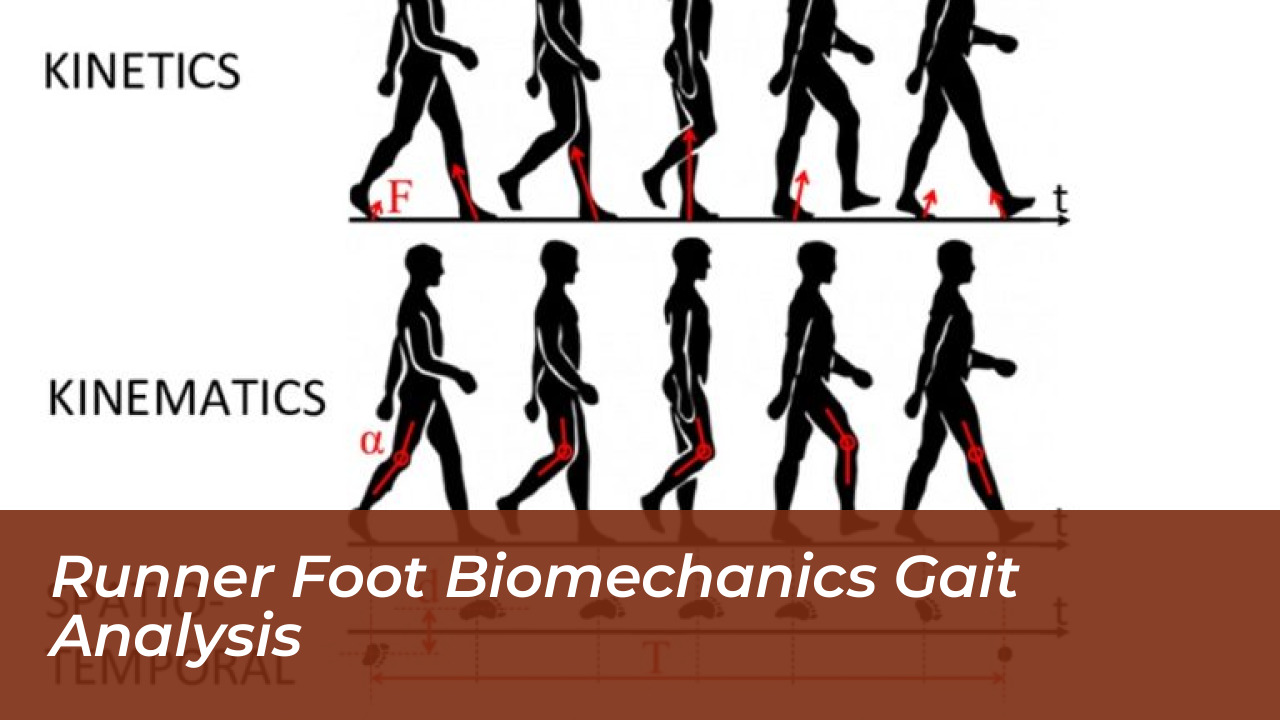
Moving away from generalized population norms, modern sports science champions the habitual joint path paradigm. This framework establishes that each runner possesses a unique, stable skeletal movement trajectory shaped by individual anatomy and passive tissue properties. Footwear features that force a runner outside this preferred movement path create unnatural mechanical constraints. These constraints elevate tissue stress, accelerate cartilage volume reduction in the knee, and trigger inflammatory overuse injuries.
The Comfort Filter Hypothesis
The comfort filter paradigm posits that subjective comfort serves as the most reliable indicator of biomechanical optimization. When a runner perceives a shoe as comfortable, subconscious neuromuscular adjustments minimize soft tissue vibrations and reduce metabolic cost. Studies show that when runners select footwear based on individual comfort rather than prescribed stability categories, injury incidence drops significantly due to better alignment with their natural movement path.
Detailed Breakdown of Footwear-Induced Running Injuries
Specific shoe characteristics directly provoke distinct pathologies throughout the lower kinetic chain. The following sections examine the primary running injuries driven almost entirely by inappropriate footwear choices.
Subungual Hematoma and Forefoot Trauma
Bruised or blackened toenails are frequently worn as a badge of honor among endurance athletes, but they represent a clear mechanical failure. Scientifically termed subungual hematoma, this condition involves a collection of blood beneath the nail plate caused by repetitive trauma against the interior of the shoe.
- Root Cause: Shoes that feature a toe-box that is too narrow or short force the longest toes to repeatedly slam against the front wall during the terminal swing and stance phases. Additionally, insufficient midfoot lockdown allows the foot to slide forward inside the shoe with every stride.
- Preventive Action: Select running shoes with a wide, anatomical toe-box that allows at least a thumb-width of space beyond the longest toe. Utilize proper lacing techniques, such as heel-lock lacing, to anchor the rearfoot and prevent forward migration during downhills.
Plantar Fasciitis and Heel Pain
Heel pain, particularly localized around the medial tubercle of the calcaneus, plagues a vast percentage of recreational runners. While often blamed on sudden mileage increases, inappropriate footwear lacking adequate structural support or shock attenuation accelerates plantar fascia degradation.
- Root Cause: Running on hard concrete surfaces in unsupportive, degraded, or excessively flat shoes forces the plantar fascia to absorb tensile loads beyond its regenerative capacity. Conversely, rigid shoes that restrict normal windlass mechanisms can also increase strain across the arch.
- Preventive Action: Ensure running footwear provides appropriate torsional rigidity and a secure heel counter that stabilizes the calcaneus. For runners requiring arch support, verify that medial elements do not force the foot out of its habitual movement path. Incorporate targeted calf and foot strengthening protocols.
Achilles Tendinopathy and Calf Strain
Pain, swelling, and morning stiffness located in the tendon region above the heel indicate Achilles tendinopathy. This injury results from repetitive tensile stress that exceeds the tendon’s capacity, leading to micro-tears and degenerative changes.
- Root Cause: Abruptly transitioning to low-drop or zero-drop running shoes without adequate adaptation time increases the moment arm across the ankle joint. This sudden change demands significantly higher eccentric work from the soleus and gastrocnemius muscles.
- Preventive Action: Manage shoe transitions conservatively over a six to eight-week gradual schedule. Combine this with targeted eccentric heel drops to build tissue resilience and increase load tolerance within the triceps surae complex.
Shin Splints and Medial Tibial Stress Syndrome
Shin splints manifest as a dull, aching pain along the posteromedial border of the tibia. This pathology involves traction periostitis where the deep crural muscles pull repeatedly on the tibial cortex.
- Root Cause: Unsupportive shoes lacking rigid sole bases, shock absorption, or stable heel counters allow excessive multi-planar foot motion and tibial torque. Worn-out midsoles that lose their structural integrity fail to attenuate shock, transferring the full mechanical load directly to the lower leg bones.
- Preventive Action: Inspect running mileage rigorously, retiring shoe midsoles between 500 and 800 kilometers. Provide stable platforms for flat-footed runners and ensure adequate torsional stability in the midfoot region of the shoe.
Lateral Ankle Sprains and Peroneal Tendonitis
Instability on uneven terrain often results in lateral ankle sprains or inflammation of the peroneal tendons running along the outside of the ankle joint.
- Root Cause: Excessively high stack heights with narrow bases of support, overly compliant foam, or worn-out lateral outsoles compromise proprioceptive stability. When the ankle platform lacks lateral stability, the foot easily rolls during ground contact.
- Preventive Action: Select stable platform geometries and moderate stack heights when navigating technical terrain. Integrate neuromuscular ankle proprioception training to enhance dynamic joint stabilization.
Evidence-Based Framework for Footwear Selection
Making informed choices regarding running gear requires moving away from aesthetic preferences or rigid category assignments. Runners must evaluate shoes through an objective, biomechanical lens focused on structural compatibility.
Assessing Individual Biomechanical Needs
Prioritize the comfort filter test over static arch height evaluations or gait analysis treadmill tests. When trying on new running shoes, the initial feel of comfort correlates closely with reduced injury risk and optimal mechanical alignment. Evaluate structural integrity by checking torsional flexibility, ensuring the shoe bends at the forefoot rather than twisting uncontrollably in the middle. Additionally, verify that the heel counter is firm enough to resist excessive lateral displacement of the calcaneus.
Managing Transition Timelines and Mileage Tracking
Introducing new footwear requires careful planning to prevent tissue overload. When switching between different heel drops or cushioning levels, follow a step-by-step introduction schedule. Wear the new shoes for short, easy runs initially, gradually increasing mileage over several weeks while monitoring for early signs of tissue soreness. Maintain a running log to track midsole degradation thresholds, ensuring shoes are retired before their shock attenuation capacity completely degrades.
Addressing Common Questions on Running Footwear
Runners often encounter various myths and conflicting advice when selecting athletic footwear. The following answers clarify core principles for maintaining optimal lower limb health.
How often should running shoes be replaced?
Running shoes lose their structural shock attenuation and foam resilience between 500 and 800 kilometers of use. Heavier runners and those training on abrasive concrete surfaces should aim for the lower end of this replacement window.
Are minimalist shoes safer for injury prevention?
Minimalist shoes do not universally prevent injuries and can actually increase bone stress if adopted too rapidly. Transitioning requires extensive strengthening of the intrinsic foot muscles and calf complex to handle higher load demands.
Does arch height dictate the need for stability shoes?
Static arch height has little correlation with dynamic running injuries in neutral footwear. Selecting shoes based on personal comfort and natural movement paths yields better injury reduction outcomes than matching shoes to arch profiles.
| Shoe Component | Potential Flaw | Associated Injury |
|---|---|---|
| Toe Box | Narrow or short enclosure | Subungual hematoma, forefoot blisters |
| Midsole Cushioning | Degraded foam or excessive compliance | Plantar fasciitis, tibial stress fractures |
| Heel Drop | Abrupt drop reduction | Achilles tendinopathy, calf strain |
| Stack Height | Excessive height with narrow base | Lateral ankle sprains, peroneal tendonitis |
By shifting the focus from generic corrective features to individual comfort and structural integrity, runners can dramatically reduce the incidence of footwear-induced pathology. Selecting the right running shoes protects the lower kinetic chain, allowing for consistent, injury-free training over the long term.