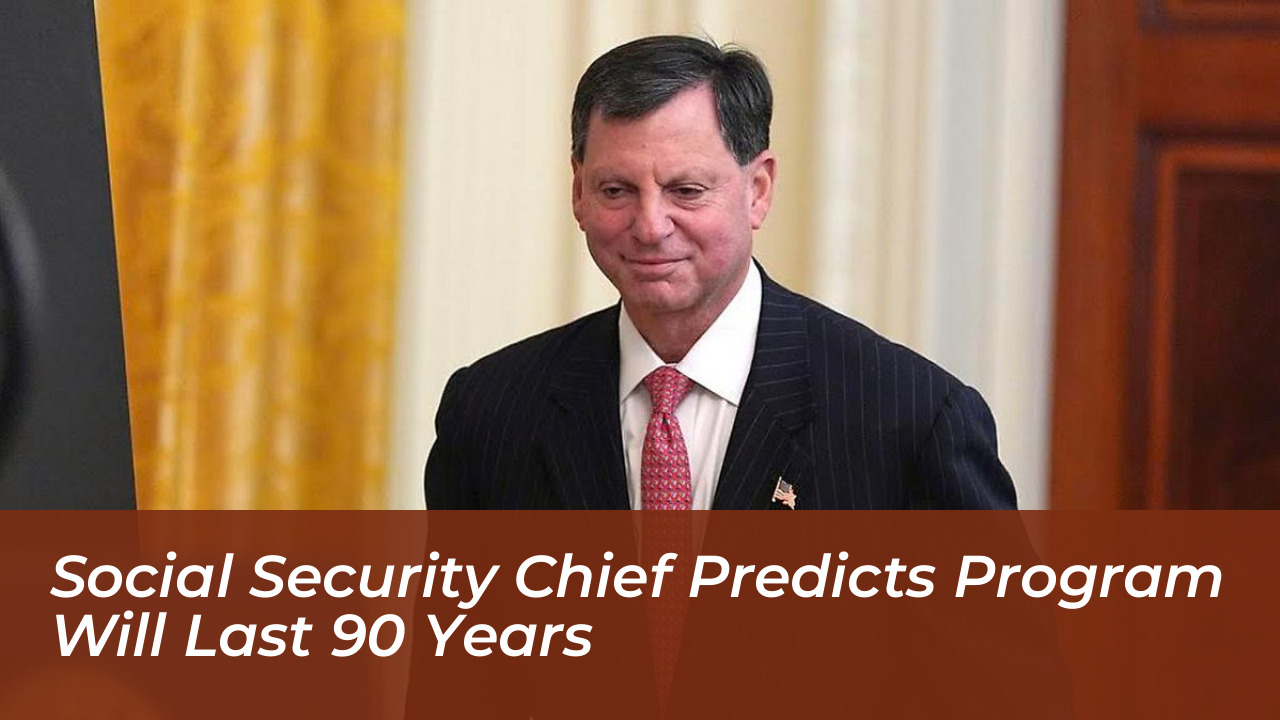

Despite growing projections that the federal retirement and social insurance program could face substantial benefit cuts within the next decade, Social Security Commissioner Frank Bisignano stated on Monday, Oct. 12, 2026, that he expects the program to remain operational for another 90 years. Speaking in an interview with CNBC, Bisignano pointed to ongoing administrative improvements and President Donald Trump’s stated commitment to protecting beneficiary payouts as core reasons for long-term optimism.
The optimistic timeline comes as the agency navigates a severe structural funding shortfall that threatens its capacity to pay full promised benefits to retirees. An annual trust fund report recently projected that the program will possess sufficient financial resources to cover only 83 percent of scheduled benefits by 2034, with that figure dropping further to 65 percent by the year 2100.
Factors Driving the Funding Shortfall
According to the official trust fund report, the financial pressures facing the system stem from several demographic and legislative shifts. Key drivers include:
- Consistently lower birth rates reducing the future pipeline of workers paying into the system.
- Reduced immigration levels affecting labor force growth and payroll tax revenues.
- Diminished trust fund revenue directly associated with the One Big Beautiful Bill Act, which was signed into law by President Trump last summer.
Established in 1935 under the New Deal, the Social Security Administration currently serves approximately 71 million Americans who rely on monthly financial benefits for their economic security.
Administrative Reforms and Future Outlook
While the long-term trustees’ report highlights daunting deficits ahead, leadership remains focused on modernizing operations. Bisignano emphasized that technological upgrades, tighter administrative efficiency, and targeted federal oversight will help streamline operations at the agency.
However, independent financial experts note that administrative changes alone will not close the multi-billion-dollar gap between incoming payroll taxes and scheduled payouts. Lawmakers in Washington face mounting pressure to address the structural deficit before the trust fund reserves are depleted in the mid-2030s, either through legislative adjustments to tax rates, retirement ages, or benefit structures.
Frequently Asked Questions About Social Security’s Future
Who is the current Commissioner of Social Security?
Frank Bisignano serves as the Commissioner of the Social Security Administration, having discussed the program’s 90-year outlook in October 2026.
When are the Social Security trust funds projected to face depletion?
According to annual reports, the trust funds are projected to cover only 83% of scheduled benefits by 2034 and 65% by 2100 if Congress takes no corrective legislative action.
How many Americans currently receive monthly benefits?
The Social Security Administration currently delivers monthly financial benefits to approximately 71 million Americans.
What legislative factor impacted recent trust fund revenue?
The annual report cited diminished trust fund revenue linked to the One Big Beautiful Bill Act, signed into law by President Trump.
When was the Social Security Administration established?
The federal social insurance program was established in 1935.