SpaceX stock experienced a notable surge on October 2, 2026. This growth was driven by a series of successful rocket missions that delivered NASA astronauts to the International Space Station and placed a pioneering Google research satellite into Earth orbit. The aerospace manufacturer captured investor enthusiasm after executing multiple complex flights within a narrow 13-hour window.
Milestone Missions Drive Investor Confidence
The intensive operational stretch began on Thursday at Cape Canaveral Space Force Station in Florida, where SpaceX launched NASA’s Crew-13 mission. A Falcon 9 rocket propelled a Dragon capsule carrying four astronauts aloft to the International Space Station. The spacecraft docked with the orbital laboratory in under eight hours, marking one of the fastest crewed transit times on record. The participating astronauts, including NASA’s Jessica Watkins and Luke Delaney, Roscosmos cosmonaut Sergey Teteryatnikov, and Canadian Space Agency astronaut Joshua Kutryk, are scheduled to spend approximately six months supporting Expedition 75 operations.
Simultaneously, SpaceX successfully executed its Transporter-18 smallsat rideshare mission. This flight deployed approximately 130 commercial payloads, most notably Google’s Project Suncatcher. This moonshot satellite prototype is specifically designed to test large-scale artificial intelligence computing capabilities in space using tensor processing units (TPUs).
Google’s Project Suncatcher Tests AI in Space
According to official statements from Google, the orbital test aims to gather critical in-orbit data. It studies how tensor processing units handle the rigorous physical stress of spaceflight, along with the severe radiation and thermal extremes encountered outside Earth’s atmosphere. The mission provides valuable performance metrics for energy use, communication, and computing beyond traditional terrestrial data centers.
The booster utilized for the Transporter-18 mission flew for its 25th time, reinforcing SpaceX’s heavy reliance on fully reusable launch hardware to drive down operational costs. Across its heavy launch schedule, the company successfully recovered multiple boosters across landing zones in Florida and California.
Starship Reaches Orbital Milestone
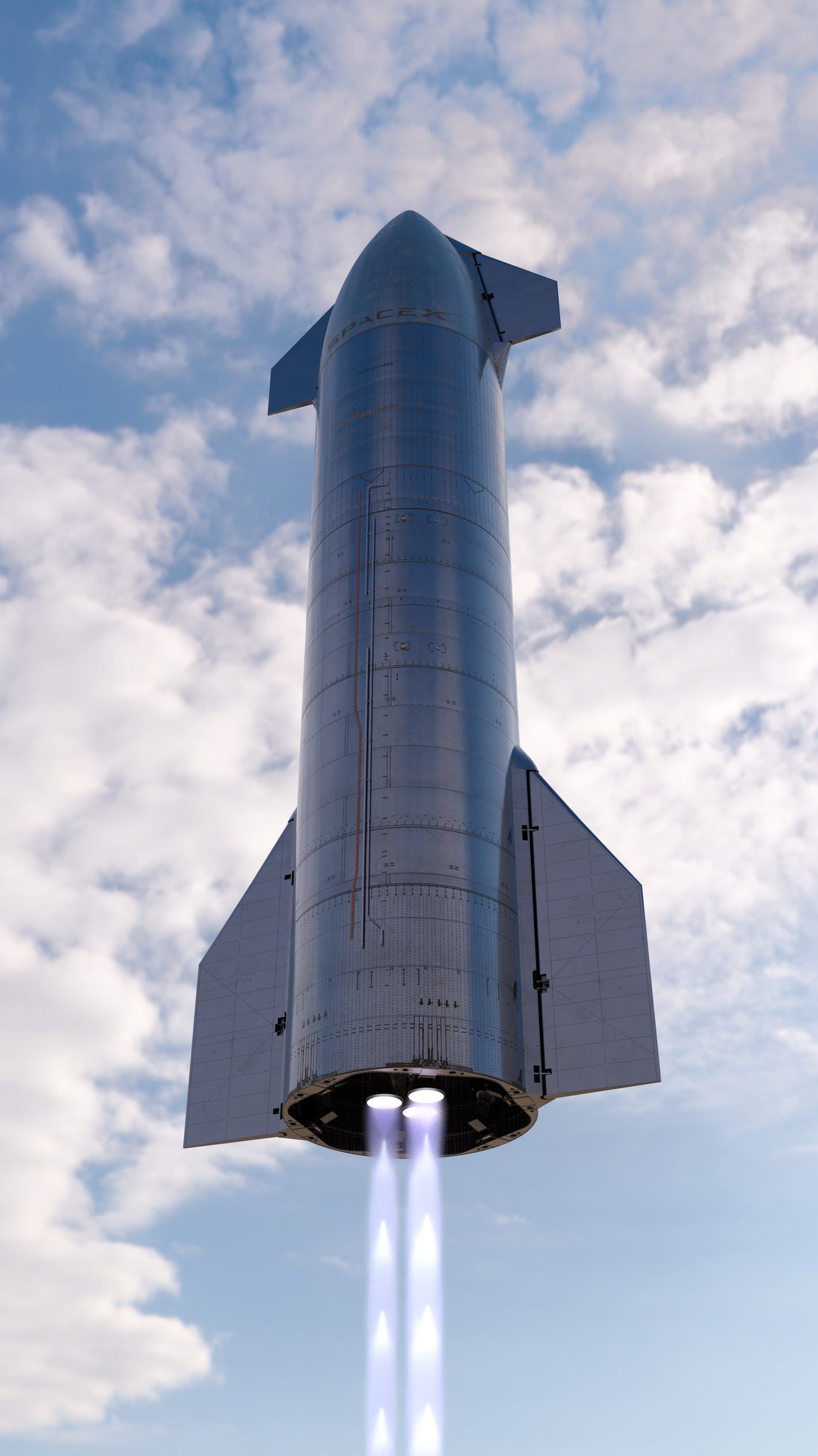
Earlier in the week, SpaceX achieved another critical technical milestone by inserting its massive Starship vehicle into Earth orbit for the first time while successfully deploying 26 Starlink V3 satellites. Despite experiencing a temporary engine loss during ascent, the spacecraft completed its primary objectives.
The Starship program remains foundational to scaling the network capacity of Starlink, which serves as SpaceX’s largest commercial business segment. By drastically lowering the cost per satellite launched into orbit, a fully operational Starship is expected to reshape the economics of global broadband connectivity and deep-space logistics.
“What an extraordinary week for SpaceX! We launched our quiver of space vehicles: Starship, Dragon, Falcon 9, and Falcon Heavy,” said Jon Edwards, SpaceX senior vice president of Falcon and Dragon, in a public statement.
Financial Performance and Market Impact
Market analysts note that the recent string of flawless executions highlights the robust demand for commercial, scientific, and defense launch services. Connectivity services continue to generate strong financial returns. This reinforces investor sentiment as major stakeholders monitor upcoming technological expansions across human spaceflight, satellite constellations, and space-based artificial intelligence infrastructure.