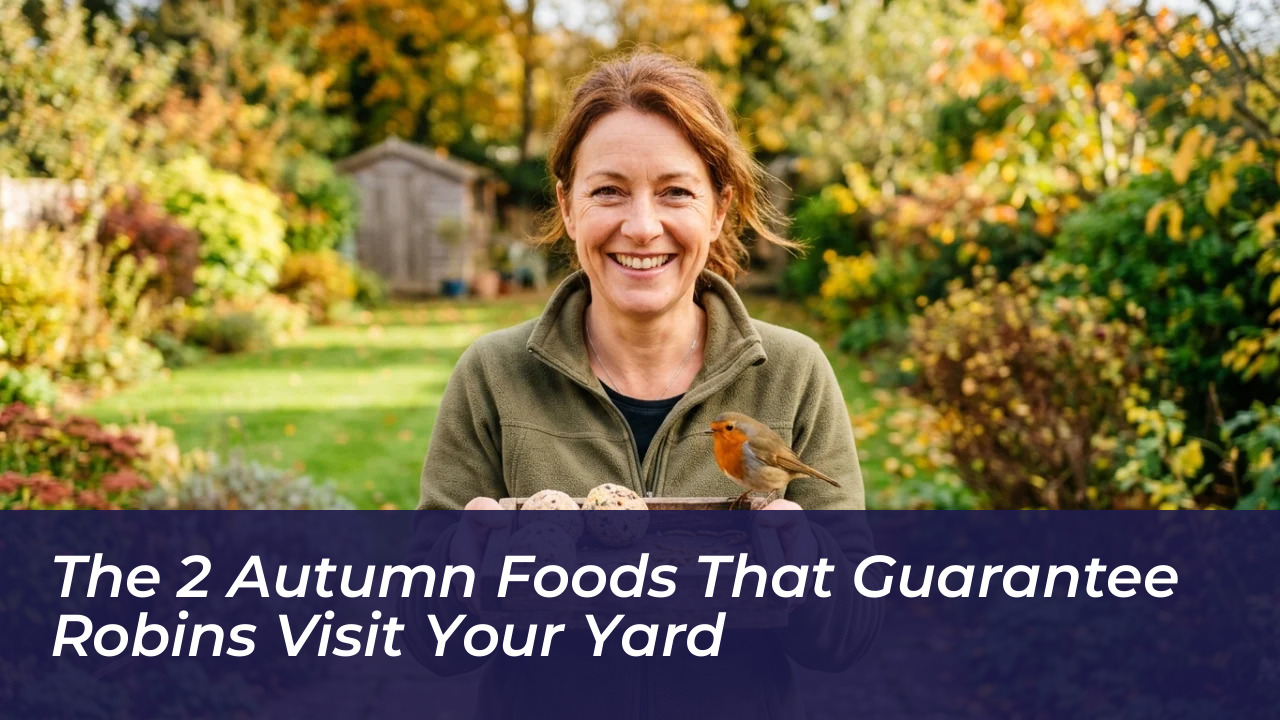

Offering mealworms alongside high-calorie suet balls during autumn creates a reliable feeding station that ensures robins will keep returning to your yard throughout the coldest months. While wild insect populations diminish sharply as temperatures drop, these two nutrient-dense foods provide the exact fats and protein necessary for songbirds to sustain their daily body warmth and winter survival.
Backyard enthusiasts often assume that drawing songbirds into a specific outdoor space is purely a matter of chance. However, fulfilling basic survival needs transforms any quiet garden into an essential refuge as natural foraging grounds freeze over. According to James Ewens, gardening expert at Green Feathers, establishing dependable feeding routines makes all the difference when wild resources become depleted. Providing balanced nourishment during autumn ensures visitors establish your outdoor space as part of their regular daily territory before severe winter conditions arrive.
Essential High-Energy Nutrition for Cold Weather
A widespread misconception is that basic mixed birdseed blends meet the needs of all visiting birds equally. In reality, robins rely heavily on soft invertebrate protein rather than hard grains, making traditional seed mixes far less effective if you want to attract robins consistently.
Suet balls are a firm favourite. With their high-fat and high-energy content, they are not only appealing for robins, but essential to support their physiology and carry them through the harsh winter months. Supplementing daily feedings with apples, pears, and dried fruit introduces essential fiber along with vitamins A, C, and E. These micronutrients directly support healthy feather development, optimal vision, and winter immune resilience.
Nutritional Breakdown for Winter Robins
| Food Item | Primary Nutritional Benefit |
|---|---|
| Mealworms & Earthworms | High-protein insect substitute replacing scarce live winter prey |
| Suet Balls | Concentrated fats offering essential calories for thermal regulation |
| Fresh Apples & Pears | Vitamins A, C, and E aiding immune defense and feather condition |
| Dried Fruit | Easily digestible dietary fiber that supports consistent digestion |
Why Hydration and Bathing Govern Survival
Water access remains as vital as food when freezing temperatures set in across the region. A shallow water source fulfills basic drinking requirements while serving a mechanical role in daily feather maintenance. Maintaining clean plumage allows feathers to lock together tightly for insulation and enables smooth aerodynamic efficiency when evading predators.
Placing a shallow basin near dense shrubbery offers birds a clear vantage point and immediate escape routes if raptors approach.
Creating Protective Shelter and Ideal Nesting Sites
A feeder placed in open grass leaves smaller birds exposed to sudden attacks and biting winds. Incorporating layered vegetation creates a functional safety network across your landscape. Dense hedgerows, climbing vines, and leafy thickets shield small wildlife from sudden drops in temperature while providing natural resting perches between foraging runs.
Selecting the Right Plants and Nest Boxes
- Plant serviceberry trees: Also known as juneberry or shadbush, this versatile tree flowers in mid-spring to draw pollinators before yielding dense clusters of energy-rich fruit during summer.
- Install an open-fronted box: Standard hole-front birdhouses rarely suit robins, who favor open-fronted designs that mimic natural sheltered ledges.
- Mount at the proper height: Secure nesting boxes roughly 3 to 6 feet off the ground in a quiet spot shielded from driving winds and intense midday sun.
Transform your outdoor space into an active haven this season by setting out fresh water and high-energy suet balls today.
Frequently Asked Questions
Why won’t robins eat standard mixed birdseed?
Robins are soft-billed birds that naturally forage for insects and earthworms. They lack the specialized gizzard strength required to crack open hard grains found in standard mixed birdseed blends.
How do suet balls help robins survive winter?
Suet balls provide high concentrations of animal or plant fats that deliver an immense amount of calories. These calories are vital for small songbirds to maintain their body temperature during freezing nights.
What type of nesting box do robins prefer?
Unlike many other backyard birds that prefer enclosed boxes with small entry holes, robins prefer open-fronted boxes that mimic natural ledges and sheltered nooks.
Where should I place a bird water bath in my yard?
Place a shallow water basin near dense shrubs or hedgerows so visiting birds have an immediate vantage point and safe escape route from potential predators.
Can I feed dried fruit to robins in addition to mealworms?
Yes, chopped apples, pears, and dried fruits provide valuable dietary fiber and micronutrients like vitamins A, C, and E, supporting immune health during cold weather.