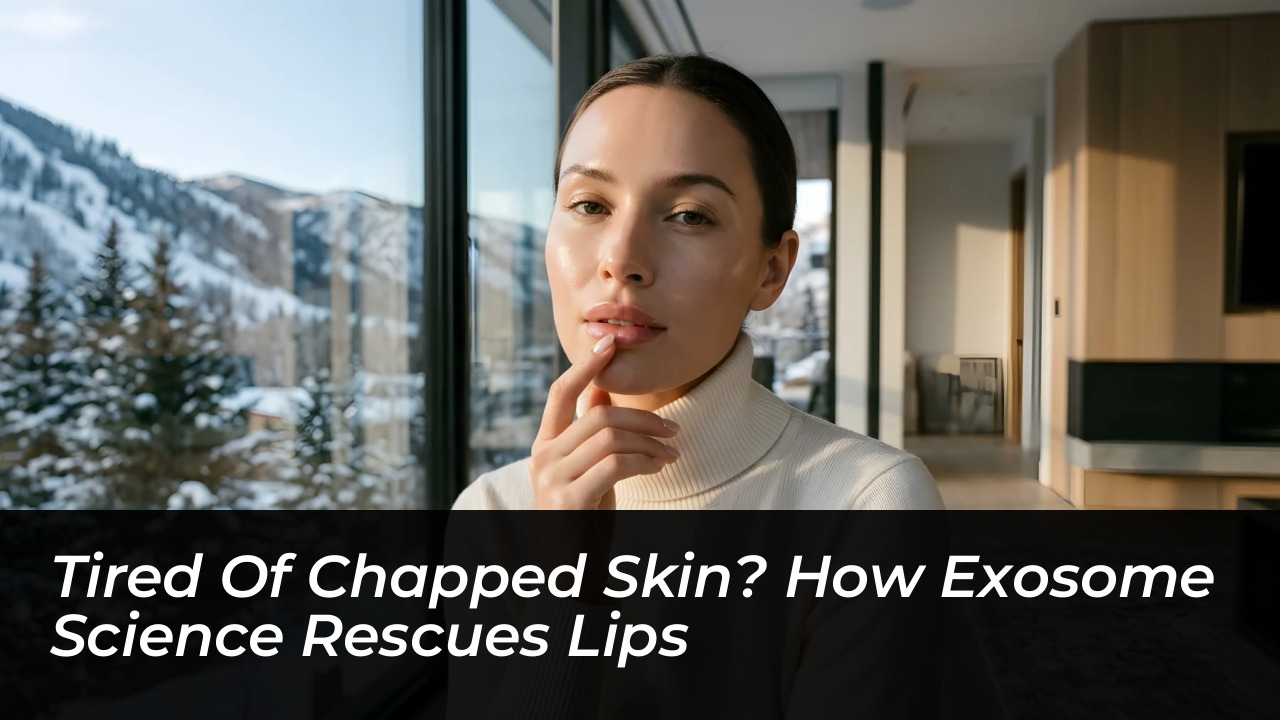
Finding the best lip balm for windburned lips comes down to cellular barrier recovery rather than basic surface coating, with clinical formulations delivering noticeable softening after just one night of wear. When cold gusts and low humidity strip away moisture, traditional waxes often sit idle on top of damaged tissue without addressing underlying micro-tears. True recovery requires signaling ingredients that trigger tissue repair and seal in vital lipids. Without active biological support, chapped lip tissue continues to flake, burn, and crack under environmental stress.
Due to high traffic on this story, please verify you are not a bot to instantly unlock the remaining content. Takes only 5 seconds!
Verify & Continue ReadingWhy Harsh Cold and Wind Overwhelm Standard Lip Balms
Windburn rapidly accelerates trans-epidermal water loss by shearing away the ultra-thin lipid barrier protecting human lips. Unlike typical body skin, lips lack sebaceous oil glands, making them completely defenseless when brisk winds strike. Standard drugstore formulas relying strictly on petroleum jelly or simple beeswax create an occlusive seal, but they often fail to deliver active cellular hydration.
If lips are already depleted and cracked, sealing dry skin beneath an inert wax traps irritation instead of healing it. A common mistake is coating damaged, dehydrated lips in heavy occlusive waxes without first replenishing lost lipids and cellular moisture beneath the surface. Repairing that structural compromise demands ingredients capable of replenishing deep lipid deficits while signaling delicate skin cells to rebuild.
The Cellular Science Behind Modern Barrier Recovery
Advanced dermatology focuses on cellular communication to accelerate tissue repair. Microscopic extracellular vesicles known as exosomes lead this transition by functioning as specialized cellular messengers. A scientific review published in the Journal of Drugs in Dermatology established that exosomes act as tiny sacs released by cells to direct surrounding tissue behavior. When formulated into topical treatments, these vesicles signal adjacent cells to accelerate collagen synthesis, produce elastin, and fortify fragile barrier defenses.
Targeting Tissue Regeneration at the Source
Specialized formulas incorporate adipose-derived stem cell messengers to speed up healing on compromised skin. “Before utilization and after isolation, the eXo³ Exosomes are tested to be sure they are safe and void of infectious disease, sterility, COVID-19 spike protein, and prions,” says Dr. Robin Smith, M.D., M.B.A., co-founder of Exoceuticals. According to research highlighted in the World Journal of Stem Cells, adipose-derived stem cells hold immense potential in wound healing applications. Coupling these cellular messengers with proven hydrators accelerates skin regeneration significantly.
Essential Ingredients That Reverse Severe Wind Damage
To restore deeply damaged tissue, a topical treatment must balance instant soothing with long-term barrier reinforcement. Incorporating specific bioactive components ensures comprehensive rehabilitation:
- Squalane: Mimics natural skin lipids to restore suppleness without feeling greasy.
- Peptides: Support structural amino acid chains to enhance firmness and resilience.
- Botanical Oils: Nutrient-dense avocado, argan, and marula oils deliver essential fatty acids directly to cracked fissures.
- Exosome Vesicles: Transmit regenerative signals to boost collagen production and calm irritation.
This layered approach ensures cracked skin absorbs restorative nutrients immediately, while long-chain fatty acids establish a lasting shield against future wind exposure.
Comparing Standard Wax Balms with Intensive Healing Treatments
Selecting the right product requires evaluating how different formulations handle barrier trauma:
- Primary Action: Cellular barrier repair and lipid restoration.
- Key Active Bio-Agents: Exosomes, peptides, and squalane.
- Nourishing Base: Avocado, argan, and marula plant oils.
- Texture Profile: Rich, protective, long-lasting overnight film.
- Hydration Duration: Sustained relief exceeding 9 hours per application.
- Applicator Design: Cooling metal tip for instant thermal relief.
Thicker, specialized balms like the $39 Hydra Healing Lip Balm by Exoceuticals leverage this heavy, nourishing consistency to maintain continuous contact with damaged lips for over nine hours overnight.
Busting the Petroleum Myth: What Really Cures Windburn?
A widespread misconception is that slathering thick petroleum ointment on windburned lips cures the burn on its own. While pure occlusives block wind chill, they supply zero biocompatible nutrients, zero fatty acids, and zero cellular repair signals. Relying exclusively on surface coatings leaves lips chronically parched once the top layer wipes away.
Effective healing requires applying active lipids and peptides directly to clean skin so moisture integrates fully before an occlusive layer seals the surface.
A Step-by-Step Protocol to Restore Windburned Lips
Reversing severe windburn requires deliberate, gentle handling to prevent aggravating raw fissures. Follow this clinical routine for optimal recovery:
- Cleanse gently: Rinse lips with lukewarm water to remove environmental debris without scrubbing peeling skin.
- Apply active repair: Spread a concentrated layer of peptide- and exosome-rich balm over the entire lip contour.
- Utilize thermal relief: Use a cooling metal applicator tip to soothe burning sensations and reduce localized swelling.
- Allow overnight recovery: Let the viscous formula sit undisturbed throughout sleep to facilitate continuous tissue regeneration.
- Prep before cosmetics: When applying daytime lip color, apply a small dab of balm first and let it absorb for several minutes before makeup wear.
Maintaining this disciplined routine shields vulnerable lips against harsh outdoor conditions while systematically restoring natural softness. Pay attention to early flaking before deep fissures develop in dropping temperatures. Audit your current balm’s ingredient list for active cellular repair agents rather than simple wax fillers.
Leave your thoughts in the comments below and tell us which barrier-repair formulas keep your lips soft during extreme weather. Share your experiences with us on dealing with stubborn windburn and protecting your skin all season long.