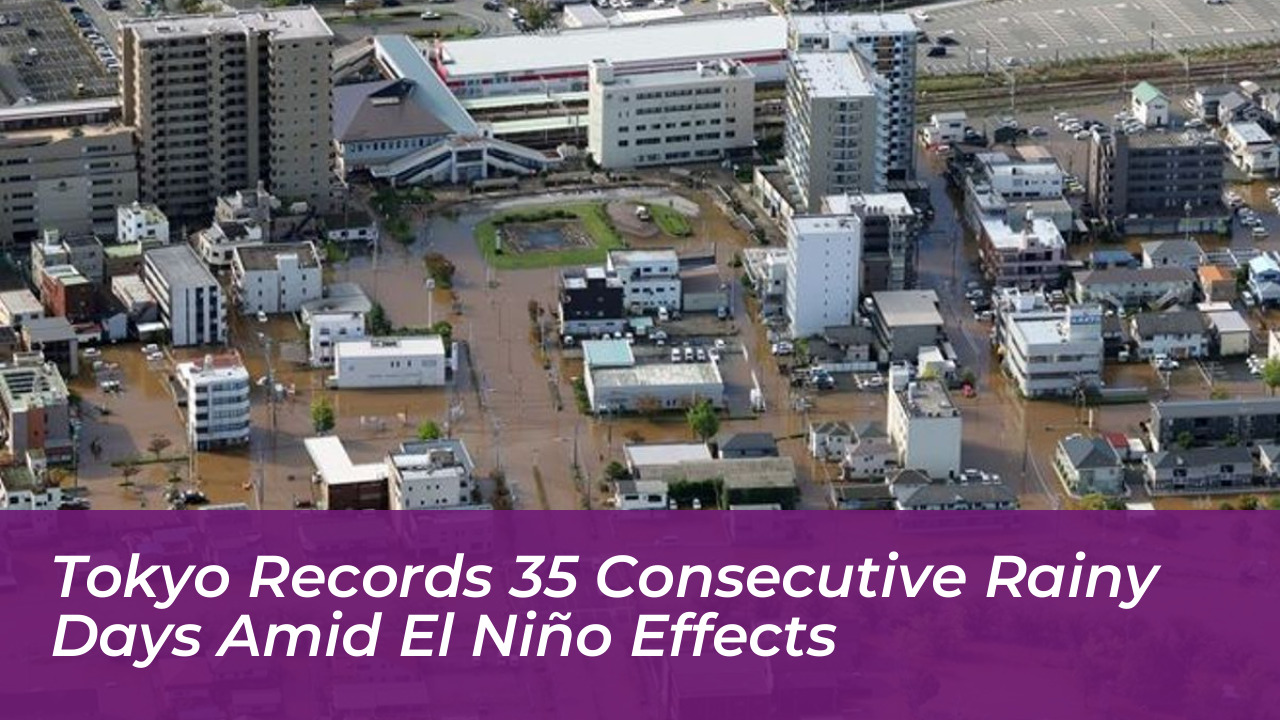
Tokyo residents have endured a historic weather phenomenon, recording 35 consecutive days of rainfall from late August through September. According to the Japan Meteorological Agency (JMA), this unbroken streak is the longest continuous period of wet weather in the Japanese capital since modern record-keeping began in 1886. It surpasses the previous record of 33 straight days set in 2019.
The relentless downpours were fueled by a combination of climate change and strong El Niño effects, which created a prolonged, stationary high-pressure front over the Pacific Ocean. Meteorological officials explained that autumn rain fronts, locally known as akisame-zensen, lingered far longer than usual over eastern Japan, dumping massive amounts of moisture on the capital.
Rainfall Totals and Sunlight Deficits
Between September 1 and the end of the month, central Tokyo received an extraordinary 629 millimeters (24.8 inches) of rain. This total is nearly three times the typical historical average for the month. Sunlight hours plummeted to near-historic lows, with official figures showing only 45.8 hours of sun during the entire stretch, and at least 14 days where the sun failed to appear entirely.
Masayuki Kyoda, an official at the Japan Meteorological Agency, noted the anomalous behavior of the seasonal weather systems. “Autumn rain fronts are staying longer than usual,” Kyoda stated, highlighting how broader climate trends and global warming impact regional precipitation patterns in Japan over the long term.
Impact on Agriculture and Produce Prices
The severe lack of sunlight and persistent moisture took a heavy toll on agriculture in farming regions surrounding Tokyo. Crop damage triggered sharp price increases for staple vegetables across the capital’s supermarkets.
- Cabbage, lettuce, and bell peppers are projected to rise by more than 30% compared to five-year averages.
- Leafy greens and vegetables such as spinach, broccoli, cucumbers, eggplants, and tomatoes face significant yield shortages.
- Supermarket workers reported that the retail price of a single head of lettuce more than doubled to approximately ¥450 (£2.17).
Health Effects and Public Reaction
Beyond economic and infrastructure impacts, the dreary weather weighed heavily on the physical and mental well-being of millions of residents. Clinics across Tokyo and neighboring Kanagawa Prefecture reported a surge in patients complaining of “weather sickness.” This informal term describes symptoms such as severe headaches, dizziness, fatigue, and lack of concentration brought on by sustained low atmospheric pressure and high humidity.
Social media platforms filled with complaints of “rain fatigue” as citizens struggled to dry laundry and cope with the gloomy atmosphere. Popular musicians and public figures also commented on the seemingly endless downpour. The rain coincided with other extreme weather events, including Typhoon Dujuan, which caused severe flooding, landslides, and eight deaths in neighboring Chiba Prefecture earlier in September.
Looking Ahead
As the active typhoon season continues to push weather systems toward the Kanto region, meteorological agencies warn that atmospheric instability will persist. While the immediate continuous daily rain streak has faced minor breaks, the compounding effects of El Niño suggest that extreme seasonal anomalies will remain a pressing challenge for urban infrastructure and public health in Japan.