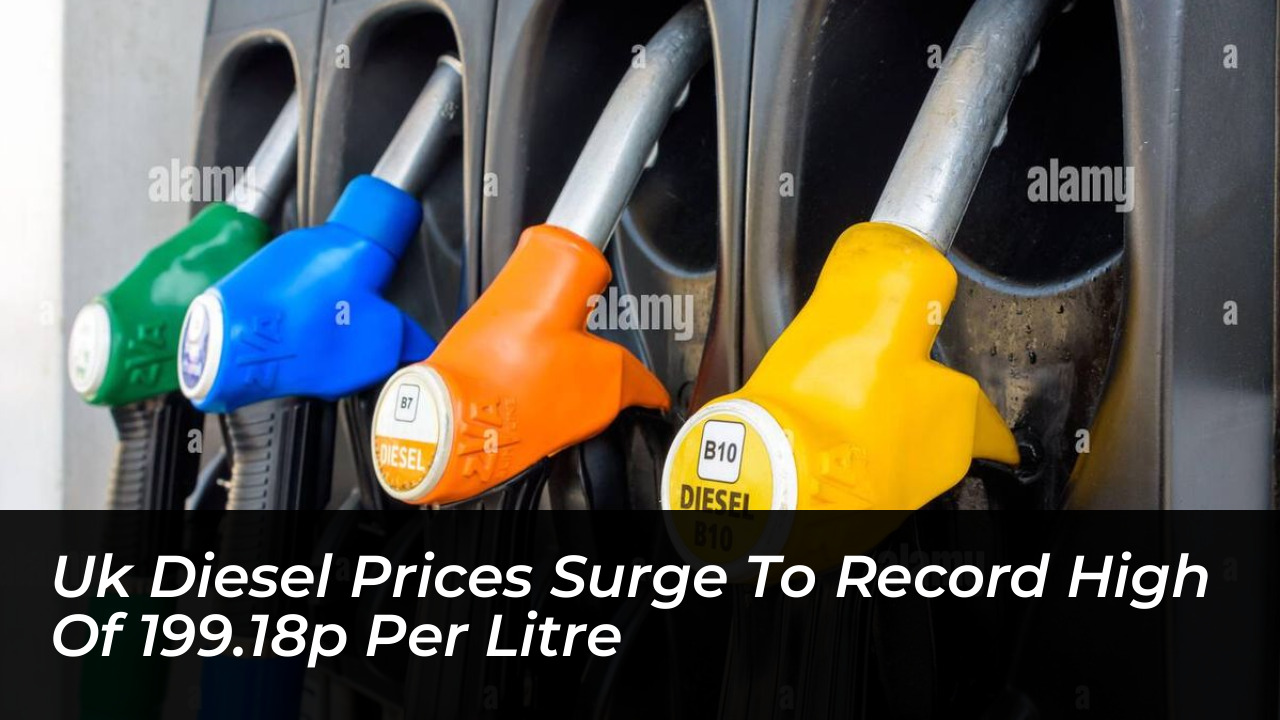
Average diesel prices in the United Kingdom hit an all‑time peak of 199.18 pence per litre on Monday, breaking the previous record of 199.09p set in June 2022. The jump pushes the cost of filling a typical family car to roughly £110, while petrol has risen to 174.13p per litre, bringing a full tank to about £96.
- Scale of the Price Increase and Financial Impact
- Global Supply Disruptions and Structural Vulnerabilities
- Impact on Businesses, Haulage, and Consumers
- Government Response and Future Outlook
- Frequently Asked Questions
- What is the current record price for diesel in the UK?
- Why are diesel prices rising faster than petrol prices?
- How much does it cost to fill a family car with diesel now?
- What is the current price of unleaded petrol?
- When will diesel prices start to fall?
Scale of the Price Increase and Financial Impact
Diesel prices have climbed by 59p per litre-almost 40%-since the US‑Israel conflict with Iran began at the end of February. For a standard 55‑litre family car, a full tank now costs around £110, which is roughly £31 more than it did before the Middle‑East supply disruptions started.
Petrol has also risen sharply, up 41p per litre over the same period. The widening gap between diesel and petrol-now over 25p per litre-highlights the pressure on diesel‑dependent households and business fleets.
Global Supply Disruptions and Structural Vulnerabilities
Market analysts link the surge to severe global supply shocks. The conflict in the Middle East has constrained oil production and transport, pushing Brent crude to about $108 a barrel, up from $73 before the war.
International diesel supplies have been squeezed by Russian export bans imposed after Ukrainian drone attacks on Russian refineries. Domestically, a September report from Fuels Industry UK revealed that two refinery closures in 2025 cut UK refining capacity by nearly a quarter. While the UK still produces enough unleaded petrol, it lacks sufficient diesel‑refining capability and relies heavily on imports from the Netherlands and the United States.
Impact on Businesses, Haulage, and Consumers
The ripple effects extend far beyond private motorists. Simon Williams, the RAC’s head of policy, warned that the price milestone will cause severe financial strain for transport, logistics, agriculture, and haulage sectors that depend on diesel.
Delivery vans, heavy goods vehicles, and farm machinery cannot easily switch fuels, so operating costs are set to rise. Large logistics firms can mitigate the impact with fuel surcharges, supply contracts, or bulk buying. Smaller independent operators and sole traders buying fuel at retail forecourts, however, face immediate margin pressures. Economists expect higher distribution costs to be passed on to consumers through increased prices for goods and services.
Government Response and Future Outlook
As the national average approaches the psychological £2‑per‑litre threshold, ministers face growing calls for intervention. Government representatives have acknowledged the strain on families and businesses and indicated that potential relief measures and fuel‑duty policy will be discussed in the upcoming national Budget.
Motoring organisations and consumer watchdogs stress that pump prices are unlikely to fall significantly until global crude oil costs show a sustained downward trend over several weeks. The Competition and Markets Authority (CMA) continues to monitor retail margins and wholesale pass‑through behaviour to ensure fair pricing across UK forecourts.
Frequently Asked Questions
What is the current record price for diesel in the UK?
Diesel reached a record 199.18p per litre on Monday, surpassing the previous high of 199.09p set in June 2022.
Why are diesel prices rising faster than petrol prices?
Diesel is rising faster because of tighter international supply constraints, reduced domestic refining capacity after recent refinery closures, and heavy reliance on imported white diesel.
How much does it cost to fill a family car with diesel now?
Filling a typical 55‑litre family car costs about £110, roughly £31 more than at the start of the Middle‑East supply disruptions.
What is the current price of unleaded petrol?
Unleaded petrol averages 174.13p per litre, leaving diesel at a premium of over 25p per litre.
When will diesel prices start to fall?
According to the RAC, pump prices will not drop substantially until global oil prices show a sustained decline over several weeks rather than days.