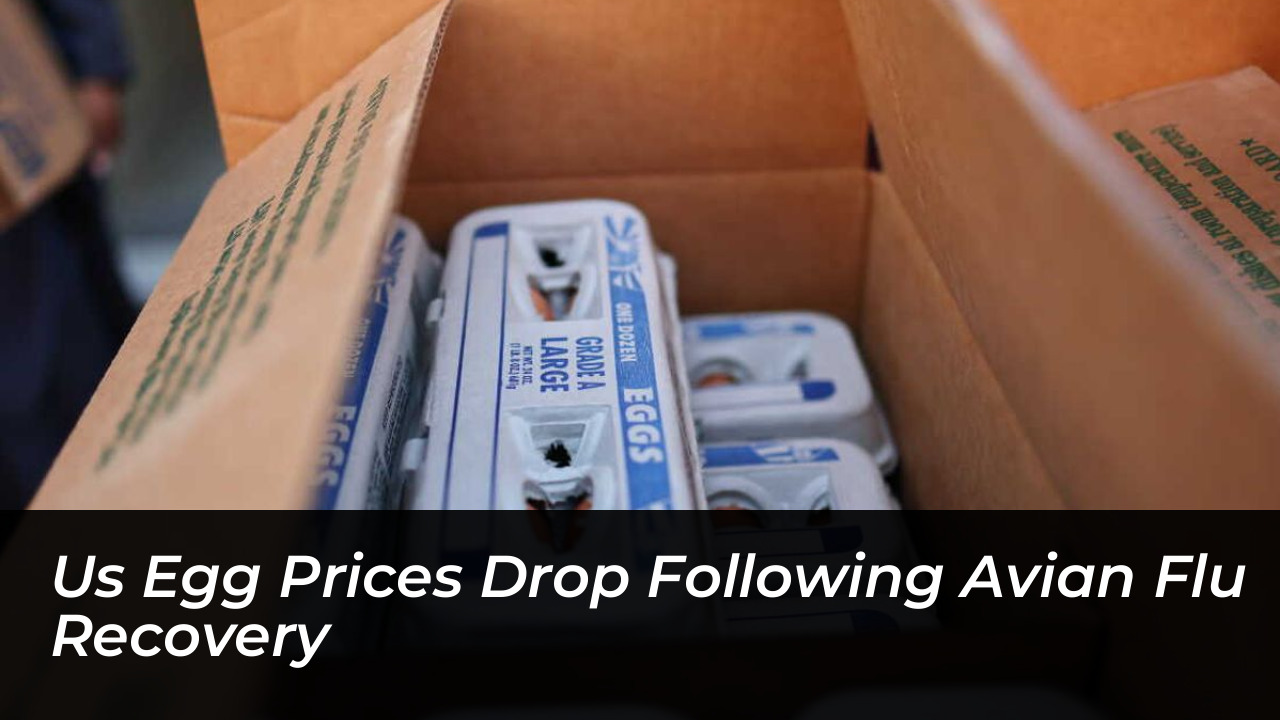
Average retail egg prices in the United States dropped to $2.27 per dozen this August. This is a sharp fall from an all-time peak of $4.95 in January 2025, according to federal data released as disease outbreaks subsided across domestic poultry farms. The significant cost decline brings welcome relief to consumers who faced severe supply constraints and record-high grocery bills over the preceding years.
The stabilization in the market follows a prolonged period of extreme volatility driven primarily by highly pathogenic avian influenza (HPAI). Since the major virus wave began in early 2022, consecutive outbreaks decimated domestic laying hen populations. This wiped out tens of millions of birds and pushed retail prices to a high of $6.23 per dozen in March 2025. Agricultural economists emphasize that biological factors and strict disease cycles dictated these severe price swings, constraining production until biosecurity and flock recovery efforts took hold.
Flock Expansion and Reduced Virus Impact
The primary driver behind the recent drop in prices is the successful expansion of the national egg-laying flock. According to livestock experts at Texas A&M University, farmers added approximately 9 million more laying hens to U.S. operations compared to previous low points. This growth was supported by enhanced biosecurity protocols, improved farm hygiene measures, and lower mortality rates during the winter viral seasons.
Data from the U.S. Department of Agriculture’s (USDA) Economic Research Service shows that table egg production rebounded steadily through the first half of the year. March output reached 659.4 million dozen eggs, a 5.6% rise compared to the same period in 2025. While sporadic avian flu detections continue to affect localized facilities-such as outbreaks reported in Pennsylvania, Wisconsin, and North Carolina-the overall scale of disruption remains vastly lower than the severe losses recorded in prior years.
Economic Pressures Shift from Consumers to Producers
While grocery shoppers enjoy relief at the supermarket, the rapid price correction has created severe financial hurdles for agricultural producers. Wholesale egg prices experienced an even steeper descent than retail costs, plummeting more than 90% from their record highs to hover around 70 cents per dozen in major markets like New York.
Agricultural analysts note that wholesale prices near 70 cents fall well below production costs for many farmers. Producers face a complex economic balancing act. Maintaining expanded flocks and implementing rigorous biosecurity measures-such as daily clothing changes, foot baths, and wildlife deterrence systems-requires significant capital, even as revenue drops sharply.
Current USDA Production Forecasts and Future Outlook
Looking ahead, federal agricultural authorities expect production growth to stabilize gradually. Although the inventory of egg-type hatching layers experienced minor contractions earlier in the year, total U.S. table egg production is projected to grow by roughly 4.4% for the full year compared to 2025 totals.
- Retail Price Trend: Averaging near $2.27 to $2.50 per dozen across major retail chains.
- Wholesale Projections: Anticipated to remain lower through the middle quarters before stabilizing.
- Market Sensitivity: Continued vulnerability to migratory bird flyway viral loads and potential localized farm outbreaks.
Market observers stress that while the national egg supply chain has largely normalized, prices remain sensitive to the persistent threat of avian influenza. Agricultural agencies and farm cooperatives continue to urge vigilant biosecurity practices to protect laying flocks and prevent future supply shocks from altering consumer prices once again.