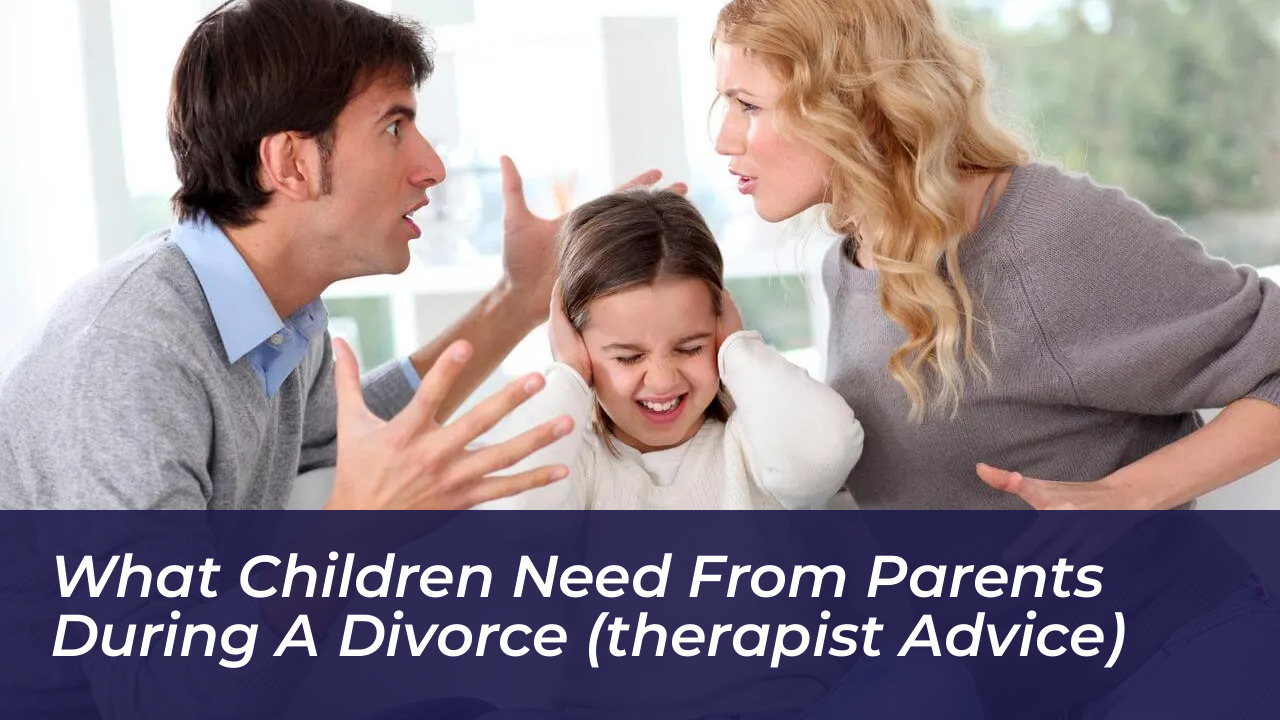
When parents decide to separate, one question often overshadows every other concern: How will this affect my children? While divorce is undeniably a significant life transition, research offers an encouraging message. It is rarely the divorce itself that predicts a child’s long-term emotional well-being. Instead, what matters most is the environment children experience before, during, and after separation. Children who continue to feel loved, protected, and emotionally secure can adapt remarkably well, even during difficult circumstances.
According to mental health professionals and family therapists, children do not need perfect parents; they need loving, supportive, and emotionally responsive ones. Understanding what children truly require during this vulnerable period can help families navigate the transition while safeguarding young minds from lasting distress.
Start with Honesty and Clear Reassurance
One of the hardest conversations parents will ever have is telling their children about a divorce. Whenever it is emotionally and physically safe to do so, both parents should consider sharing the news together. This simple act sends an immediate, powerful message that although the marriage is ending, the parenting relationship remains intact.
Children of every age need to hear specific reassuring messages repeatedly:
- This is not your fault.
- We will always be your parents.
- You will continue to be cared for and safe.
- You never have to choose between us.
Children do not need to know the details of marital conflict, financial disagreements, or adult grievances. Those are adult burdens that children are not emotionally equipped to carry. Instead, they need straightforward, age-appropriate explanations and the deep confidence that the adults are taking care of the situation.
Age-Specific Emotional Needs During Separation
Children process family restructuring differently depending on their developmental stage. Recognizing these differences allows parents to respond with empathy rather than frustration.
Toddlers and Preschoolers (Ages 0-6)
Young children do not understand legal definitions of divorce. Instead, they notice disruptions in their daily routines and changes in a parent’s physical presence. Their biggest fear is whether the people they depend on will abandon them. Parents may notice increased clinginess, sleep disturbances, tantrums, separation anxiety, or temporary developmental regressions like toileting accidents. These behaviors are signs that a young child’s nervous system is overwhelmed by uncertainty. Predictable routines and repeated verbal reassurance provide the stability they desperately need.
School-Aged Children (Ages 6-12)
Elementary-aged children understand more about divorce, but they frequently engage in “magical thinking”-the mistaken belief that their own thoughts, words, or actions caused the separation. They need explicit reassurance that nothing they did caused the family split. Therapists recommend asking open-ended questions like, “What’s been the hardest part for you?” rather than just asking if they are okay, which invites deeper and more honest communication.
Teenagers (Ages 12-18)
Adolescents grasp relationship dynamics more completely, but divorce still triggers intense grief, anger, or withdrawal. A critical mistake parents make during this phase is leaning on teenagers for emotional support. Older children may seem mature, but they should never become a parent’s confidant, therapist, or messenger between households.
The Power of Healthy Co-Parenting and Boundaries
Parents do not have to agree on everything, but they must keep their child’s emotional well-being at the center of their decisions. Healthy co-parenting involves direct communication between adults rather than routing messages through the children. Criticizing the other co-parent in front of kids-or asking them to report on what happens in the other household-creates toxic feelings of being trapped.
Establishing consistency between two homes regarding homework, bedtimes, and basic discipline reduces anxiety. , parents should protect transition times-such as drop-offs and pick-ups-from heavy or stressful conversations.
Therapeutic Approaches That Help Families Heal
When emotional distress persists, professional support can make a profound difference. Therapists utilize several proven modalities to help families adjust:
- Play Therapy: A developmentally appropriate approach for younger children using toys, games, and creative arts to safely express feelings they cannot yet articulate verbally.
- Cognitive Behavioral Therapy (CBT): Highly effective for school-aged children and adolescents to address anxiety, reframe distorted thoughts of self-blame, and build coping skills.
- Family Systems Interventions: Sessions that involve family members to improve communication, establish boundaries, and reduce the burden of parental conflict.
Frequently Asked Questions About Divorce and Children
How do I know if my child needs professional therapy after a divorce?
If behavioral changes-such as severe anxiety, withdrawal, aggression, steep drops in academic performance, or sleep disturbances-persist for more than a few months without improvement, consulting a child or family therapist is strongly recommended.
Should parents ever argue in front of their children post-divorce?
Parents should strictly avoid arguments, tense exchanges, or negative remarks about each other within earshot of their children. Witnessing parental conflict is one of the primary drivers of long-term emotional distress in children of divorce.
How can we maintain consistency between two different households?
Co-parents should communicate calmly to align on fundamental rules, such as screen time limits, bedtime routines, and homework expectations. While households do not need to be identical, sharing core values gives children a comforting sense of predictability.
What is “magical thinking” in children of divorce?
Magical thinking is a psychological phenomenon where younger children believe their thoughts, behaviors, or minor misbehaviors somehow caused their parents’ marriage to end. Parents must actively counter this by clearly stating that divorce is solely an adult decision.
Is birdnesting a good custody arrangement for children?
Birdnesting is an arrangement where the children stay in the family home while the parents rotate in and out according to a schedule. For many families, this minimizes disruption during the initial separation phase, though it requires high cooperation between co-parents.