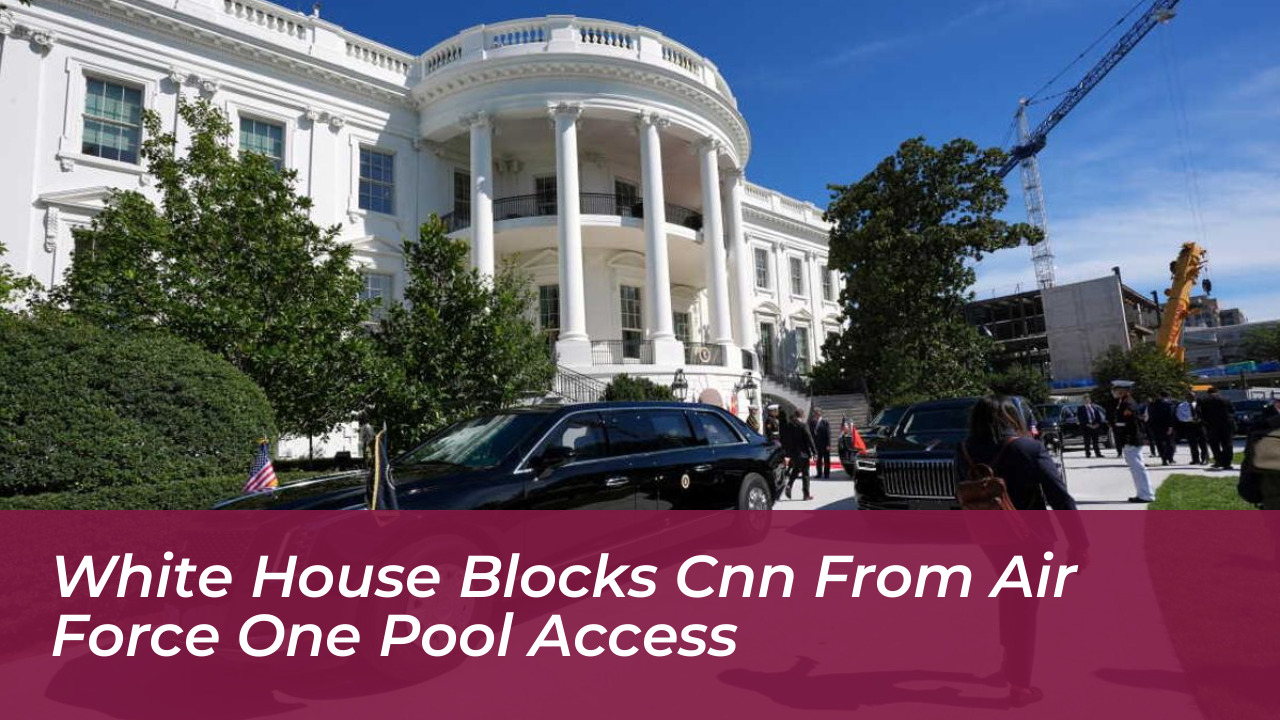
The White House barred CNN from boarding Air Force One during a recent presidential trip to Knoxville, Tennessee. This decision marks a significant escalation in the ongoing friction between the executive branch and major news networks over media access and operational control.
- The Air Force One Travel Restriction
- Excluding CNN From the Knoxville Flight
- Real America’s Voice Replaces CNN
- Shifting Control of the Press Pool
- White House Takes Charge of Daily Selections
- Television Pool Protest and Boycott
- Legal Battles and First Amendment Protections
- Lawsuit Filed Over Hard Pass Revocations
- Federal Court Ruling and Administrative Limits
- Justice Department Defense
- Broader Context of Executive Media Relations
- Public Approval Ratings and Political Friction
- Intermittent Access and Resumption of Coverage
- Frequently Asked Questions
- Why was CNN banned from Air Force One?
- Who decides who joins the presidential press pool now?
- Did the courts rule on Air Force One access?
- What network replaced CNN on the trip?
- Conclusion
Context on the shifting dynamics of executive branch media access reveals a steady departure from traditional norms. Tensions continue to rise as administrative decisions increasingly bypass independent journalistic bodies to reshape how the public receives executive updates.
Modern administrations often exercise strict administrative control over travel rosters. They prioritize alternative platforms to bypass mainstream editorial filters.
The Air Force One Travel Restriction
Excluding CNN From the Knoxville Flight
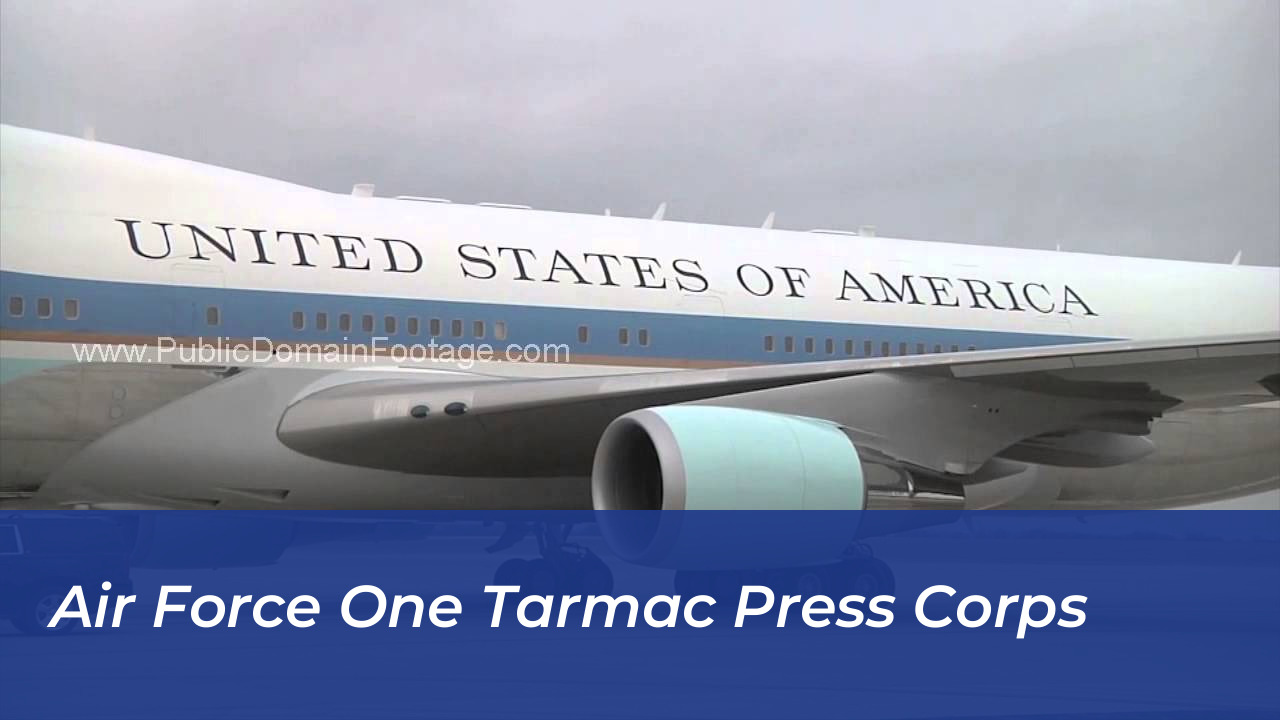
President Donald Trump traveled to Knoxville, Tennessee, to attend a high profile college football game between the University of Tennessee and the University of Texas. Official White House guidance confirmed that CNN lost its seat on the rotating five member U.S. network video pool for this specific flight.
This exclusion means that a major mainstream outlet lost standard access to document executive travel. Such restrictions directly impact the traditional mechanics of the press pool, which relies on consistent rotation to maintain transparent coverage of presidential movements.
Media coordinators express deep concern over these sudden roster changes. Standardization in reporting remains a core tenet of modern journalism.
Real America’s Voice Replaces CNN
Real America’s Voice News, a conservative network, stepped in to take the vacant video pool slot for the Tennessee trip. This substitution highlights how administrative choices alter the composition of reporting teams on official presidential aircraft.
The integration of partisan networks into traditional presidential travel logistics raises questions about standardization in media pools. Observers note that shifting pool rosters alter the diversity of perspectives documenting executive branch activities.
Broadcasters argue that ideological filtering threatens objective reporting standards. Officials maintain absolute discretion over who occupies physical seats on government aircraft.
Shifting Control of the Press Pool
White House Takes Charge of Daily Selections
The executive branch assumed direct authority to determine daily press pool coverage, replacing independent coordination by the White House Correspondents Association. Since the beginning of the second administration, officials decide which outlets cover the president each day.
This operational shift from press managed rotations to direct administrative vetting gives the executive office unprecedented control over media visibility. Independent journalist groups previously managed these rosters to ensure fair and impartial distribution of reporting duties.
Centralized selection processes minimize unpredictable reporting angles during official tours. Critics view this administrative overreach as a direct assault on the free press.
Television Pool Protest and Boycott
In response to these administrative exclusions, the White House television pool suspended video coverage of the president. This coordinated boycott aimed to demonstrate unity among broadcasters facing restrictions on reporting assignments.
Media organizations emphasized the public interest in independent documentation of executive actions. The suspension served as a direct pushback against administrative control over standard journalistic access.
Solidarity among major networks sends a powerful message to executive authorities. Broadcasters refuse to normalize selective credentialing on official state trips.
Legal Battles and First Amendment Protections
Lawsuit Filed Over Hard Pass Revocations
CNN, Politico, and MS Now initiated joint legal action following the revocation of their White House access. The Trump administration stripped these credentials, citing unfavorable news coverage. President Trump defended the move on social media, questioning why outlets producing critical reports should receive workspace inside the executive mansion.
The lawsuit centered on First Amendment violations and viewpoint discrimination by the executive branch. Attorneys for the media organizations argued that revoking press credentials as retaliation for critical reporting sets a dangerous constitutional precedent.
Constitutional experts warn against punishing news agencies for unfavorable coverage. Judicial intervention remains the primary defense for accredited reporters.
Federal Court Ruling and Administrative Limits
Federal District Judge Timothy Kelly issued a temporary restraining order striking down the executive ban on hard passes. The judicial ruling successfully restored grounds access for the barred news organizations.
However, the ruling did not explicitly address press pool duties or Air Force One transport. This left travel logistics and aircraft seating under administration control, allowing flight restrictions to persist despite the restored grounds credentials.
Physical workspace access differs legally from dedicated transport seating. Courts maintain a cautious approach when regulating presidential travel logistics.
Justice Department Defense
Department of Justice attorneys defended the travel and access restrictions by citing national security concerns. They pointed to past media reports involving sensitive information handling as justification for tightening administrative oversight.
This legal defense triggered a broader national debate over executive authority versus constitutional press freedom. Legal scholars continue to analyze the boundaries of presidential discretion when managing who boards official government transport.
National security justifications provide a strong shield for executive decisions. Judges weigh state secrets against fundamental rights during these complex proceedings.
Broader Context of Executive Media Relations
Public Approval Ratings and Political Friction
A recent Reuters/Ipsos poll placed the presidential public approval rating at 32 percent. These low approval numbers heavily influence administration strategy regarding media framing and critical reporting.
When political friction increases, executive communication teams often tighten control over the narrative. Restricting access for outlets that publish critical analyses serves as a method to manage public perception during periods of low polling numbers.
Information control becomes a vital strategy during political vulnerability. Communication teams actively counter negative polling through alternative media channels.
Intermittent Access and Resumption of Coverage
Despite ongoing flight bans, brief instances of access restoration occur periodically. For example, CNN aired live footage of the president and Chinese President Xi Jinping touring the National Archives alongside Melania Trump and Peng Liyuan.
This transmission marked CNN’s first live coverage of the president in several days. The stark contrast between ground events access and ongoing travel restrictions demonstrates a fragmented approach to media relations.
Ad hoc credentials are granted during major international summits. Consistency in press access remains elusive under current administrative frameworks.
Frequently Asked Questions
Why was CNN banned from Air Force One?
The White House restricted CNN from the presidential flight to Knoxville as part of an ongoing dispute over critical media coverage and direct administrative control of press pools.
Who decides who joins the presidential press pool now?
The executive branch now directly manages daily pool selections, bypassing the traditional oversight previously handled by the White House Correspondents Association.
Did the courts rule on Air Force One access?
Federal courts restored physical grounds access via temporary restraining orders, but left aircraft seating and travel logistics under executive discretion.
What network replaced CNN on the trip?
Real America’s Voice News filled the vacant video pool slot for the presidential flight to Tennessee.
Conclusion
Administrative travel bans fundamentally alter the environment of political journalism by changing who documents executive actions. When official flights exclude mainstream networks in favor of alternative media, the nature of public transparency shifts.
The future of White House press pool operations remains uncertain amid ongoing tension between the executive branch and traditional media outlets. As legal battles and operational changes continue, the balance of power between government communication teams and independent journalists faces continuous testing.