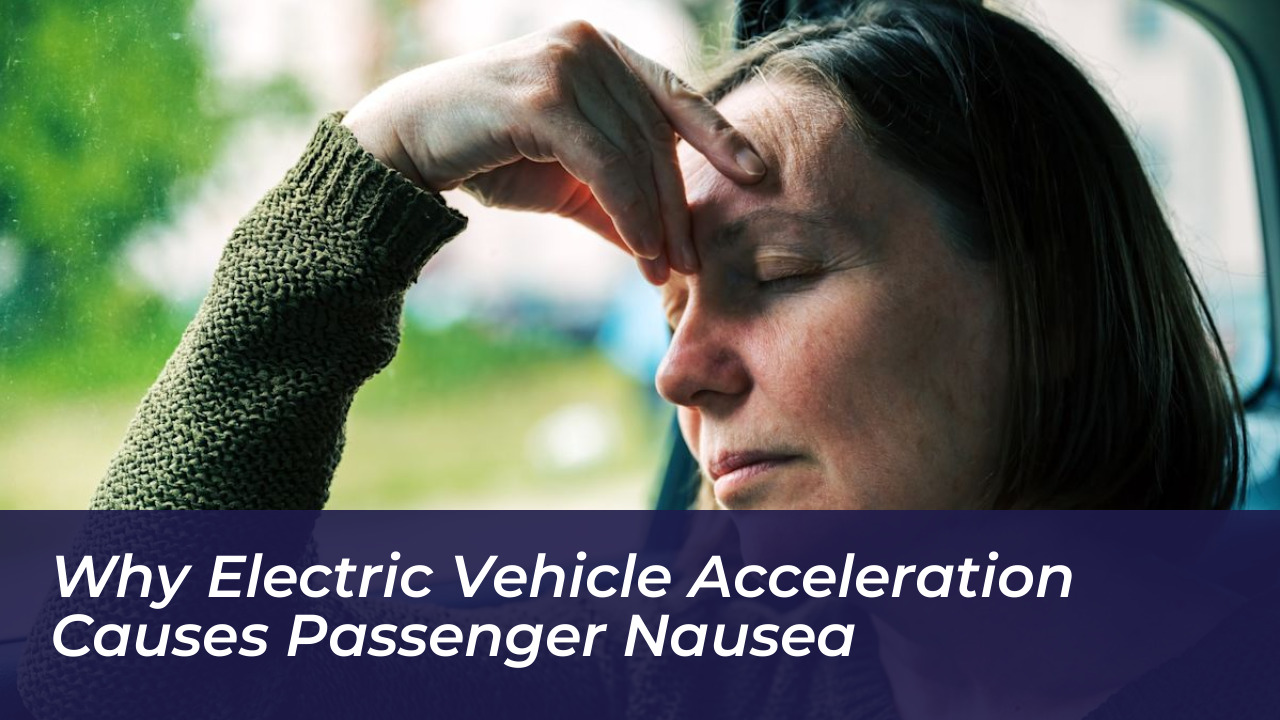
The rapid acceleration and instant torque delivered by modern electric vehicles (EVs) are triggering severe motion sickness among passengers, according to medical researchers and biomechanics experts. While instant torque has become a major selling point for battery-powered cars, the unique physical forces they generate are creating unexpected health challenges for those riding in the passenger seats.
Unlike conventional internal combustion engine (ICE) vehicles, which build power and speed progressively through gear shifts and engine revs, electric vehicles deliver maximum torque almost instantaneously. This sudden, forceful push alters the traditional driving dynamics that human sensory systems have evolved to anticipate over decades of automotive travel.
The Science of Sensory Conflict
Motion sickness during travel fundamentally stems from a sensory conflict within the human body. Dr. Irene Di Giulio, a senior lecturer in anatomy and biomechanics at King’s College London, explained that passengers experience heightened nausea in electric cars due to distinct mechanical differences compared to conventional combustion engine vehicles.
When an electric vehicle accelerates rapidly from a standstill:
- The vestibular system in the inner ear detects sudden forward motion.
- If the passenger is looking down at a phone, reading, or unable to see the road ahead, their eyes signal to the brain that they are stationary.
- This mismatch between what the body feels (motion) and what it sees (stillness) confuses the brain, triggering the classic autonomic symptoms of motion sickness, including cold sweats, dizziness, and nausea.
, the silent nature of electric vehicles removes traditional auditory cues-such as engine roaring or gear changes-that normally help the human brain prepare for acceleration or deceleration. Without these warning sounds, the physical jolt feels even more abrupt to an unsuspecting passenger.
Addressing the Passenger Comfort Gap
As automakers push for faster 0-to-60 mph times and more responsive throttle tuning, automotive engineers and ergonomists are beginning to look at how these performance metrics impact human comfort. While drivers are naturally protected against motion sickness because they actively control the steering wheel and pedals-allowing their brains to predict movement-passengers lack this crucial feedback loop.
To mitigate motion sickness in electric vehicles, transportation experts recommend several practical adjustments for both drivers and passengers:
- Smooth Throttle Application: Drivers can utilize “eco” modes or practice smoother, more progressive acceleration rather than slamming down on the accelerator pedal.
- Adjusting Regenerative Braking: Many EVs feature adjustable regenerative braking levels. Using lower settings can reduce the aggressive “head-nod” deceleration effect when lifting off the accelerator.
- Visual Orientation: Passengers should refrain from reading or using electronic devices while the vehicle is in motion, choosing instead to focus on the horizon or the road ahead to keep visual and vestibular signals aligned.
As adoption of electric vehicles continues to accelerate globally, understanding the biomechanical impact of instant torque will be essential for improving overall passenger comfort and redefining ride quality in the era of zero-emission transportation.