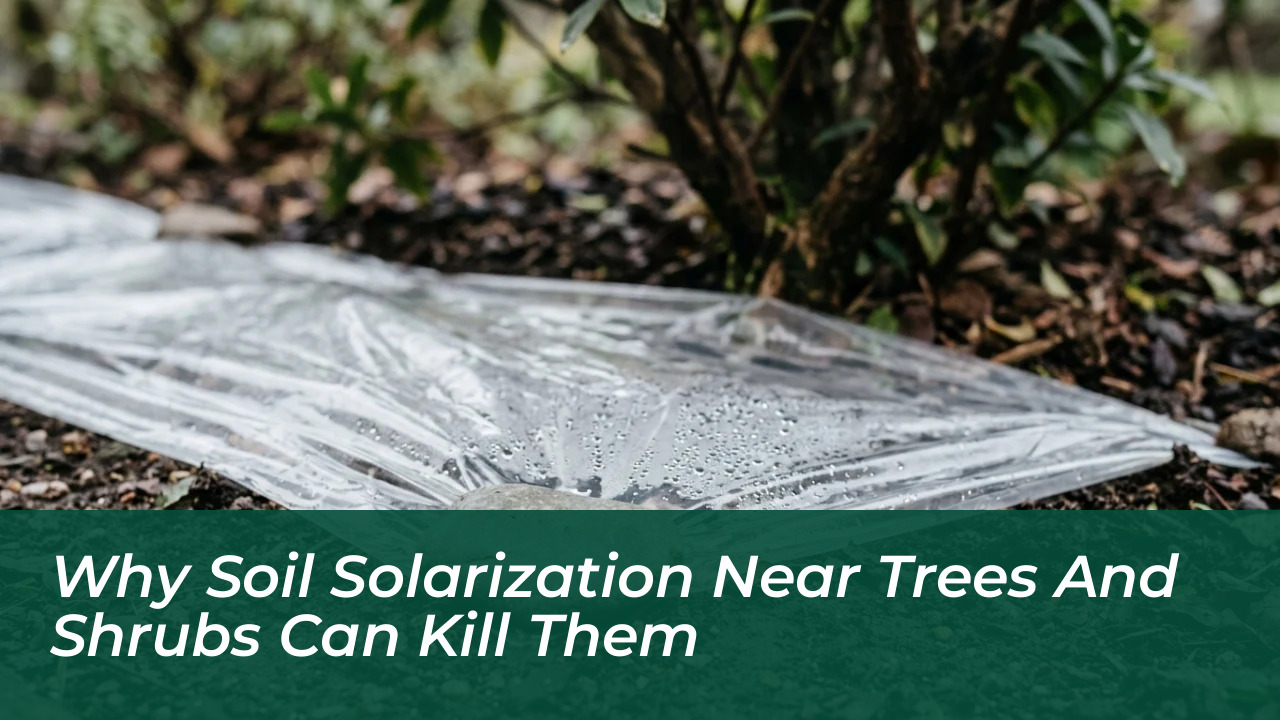

Soil solarization can heat upper soil layers to a scorching 140 degrees Fahrenheit, making it a lethal mistake when applied directly over the root zones of established trees and shrubs. Gardeners frequently use this chemical-free technique to scorch weeds like crabgrass, spurge, and ragweed. However, the trapped radiant energy does not discriminate between unwanted weeds and the delicate root systems of prized ornamental plants. When plastic sheeting covers the ground beneath landscape specimens like Japanese maples or hydrangeas, the extreme heat bakes essential feeder roots. Understanding how this non-chemical method works is critical to protecting your yard while clearing unwanted turf or preparing new planting beds.
The Hidden Threat of Soil Solarization to Root Zones
Soil solarization turns intense summer sunlight into a lethal thermal trap. A transparent plastic sheet is pinned tightly against moist ground, locking in solar radiation until the soil reaches temperatures high enough to destroy plant tissue, dormant pests, and seeds. While this heat wave obliterates troublesome weeds, roots belonging to nearby woody perennials experience the exact same punishment.
Trees and shrubs rely on shallow root networks near the surface to gather oxygen, moisture, and nutrients. This leaves them directly exposed to extreme upper-layer temperatures. If intense heat penetrates the soil beneath the canopy, the plant suffers severe stress, root dieback, and potential death. Gardeners often misdiagnose this decline as disease or drought, unaware that the clear sheeting cooked the plant from below.
The Drip Line Boundary
To safely use soil solarization without harming desirable landscaping, plastic tarps must remain outside the plant’s drip line. The drip line marks the outer circumference of a tree or shrub’s branch canopy, acting as a perimeter on the ground directly below the outermost leaves. A dense concentration of vital feeder roots resides along and beyond this boundary. Positioning thermal sheeting well past this perimeter ensures you clear weeds without cooking the living infrastructure supporting your trees.
Solarization Safety vs. Risk Factors
- Safe Location: Well outside the canopy drip line
- Hazard Zone: Directly over the shallow root network
- Peak Soil Temperature: Up to 140 degrees Fahrenheit
- Target Weeds: Crabgrass, spurge, and ragweed
- Ideal Material: Clear plastic sheeting rather than black plastic
- Treatment Duration: Four to six consecutive weeks during peak summer
How to Safely Apply Solarization in Open Ground
When used in open patches away from valuable woody plants, this thermal technique eliminates turfgrass for eco-friendly alternatives or clears beds of invasive growth. Maximizing eradication while preventing recurring growth requires strict adherence to practical steps:
- Clear the area: Remove heavy debris and ensure the site sits completely beyond the drip line of any shrubs or trees.
- Saturate the earth: Thoroughly wet the soil prior to application, as moist earth conducts thermal energy far deeper than dry soil.
- Select clear plastic: Choose clear plastic rather than black plastic, as transparent material allows solar radiation to penetrate and trap heat more effectively.
- Anchor the perimeter: Stretch the plastic taut across the plot and weight the edges firmly using sandbags or bricks to prevent heat leakage. Consider layering sheets to boost thermal intensity.
- Maintain the cover: Keep the plastic tightly sealed for four to six weeks during the hottest season of the year.
Even after a full treatment cycle, remain vigilant. Fresh seeds transported by wind or birds can settle on treated soil and germinate, meaning long-term maintenance remains essential for -free beds. Always check the drip lines in your landscape before setting up thermal barriers this summer to ensure your established trees and shrubs stay safe and healthy.