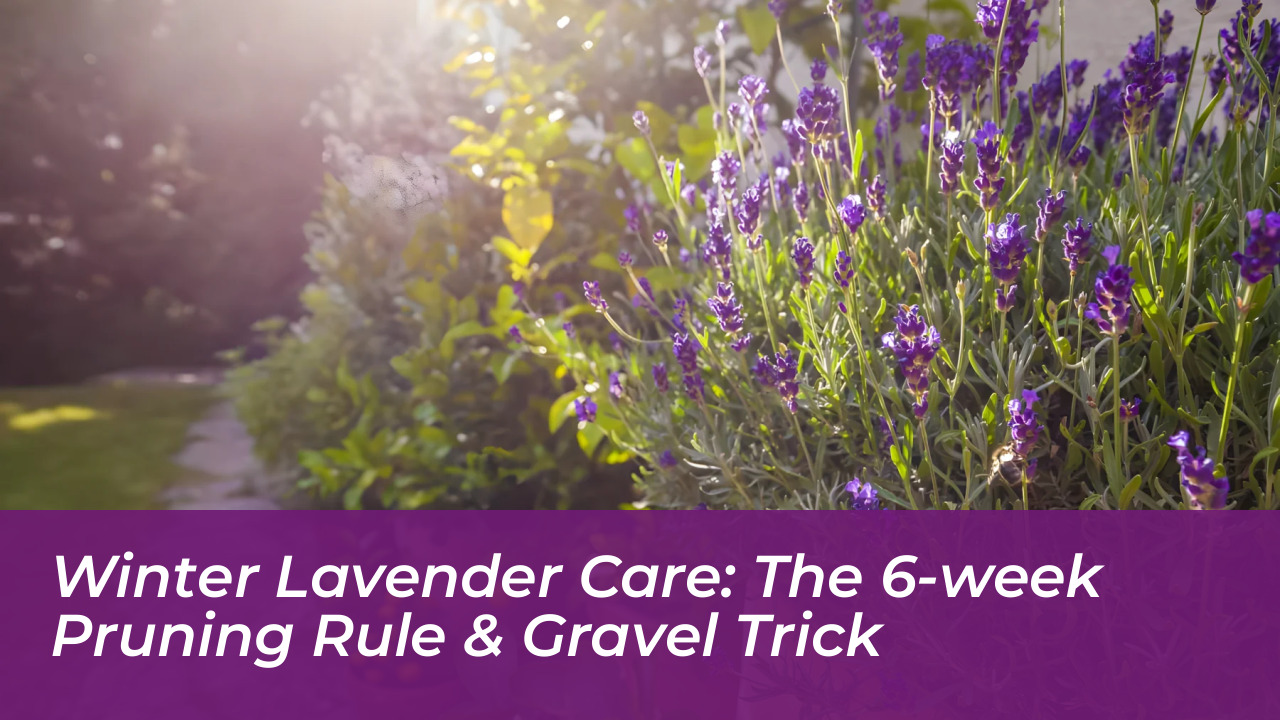
Trimming lavender stems at least six weeks before the first hard frost and replacing rich organic wood mulch with crushed stone are the two most critical steps for surviving the cold season. Taking these simple measures protects the plant’s crown from freeze damage, stops fungal decay, and preserves root vigor for spring growth. Because lavender is native to dry Mediterranean climates marked by hot summers and mild winters, cold and persistent dampness pose a severe threat to its survival. While cold temperatures test the plant’s fortitude, excess soil moisture combined with freezing conditions causes far more winter casualties than frost alone. Understanding the cold tolerance of your specific variety determines exactly how much winter protection your garden beds require.
Due to high traffic on this story, please verify you are not a bot to instantly unlock the remaining content. Takes only 5 seconds!
Verify & Continue ReadingMatch Cold Protection to Your Lavender Variety
Not every lavender plant handles sub-zero temperatures the same way. English lavender (Lavandula angustifolia) remains the hardiest variety, readily enduring freezing winter conditions and open ground frosts when planted in well-draining soil. In contrast, Spanish lavender (Lavandula dentata) and French lavender (Lavandula stoechas) are far more vulnerable to freezing weather. English hybrid varieties (Lavandula x intermedia) offer decent resilience but bloom much later into September, requiring a delayed pruning calendar.
Lavender Variety Winter Cold Tolerance Overview
- English Lavender (L. angustifolia): Cold-hardy; easily survives winter frosts directly in ground beds.
- English Hybrids (L. x intermedia): Moderately hardy; blooms late into September and requires careful fall scheduling.
- French Lavender (L. stoechas): Cold-sensitive; requires protective shelter or indoor relocation before hard freezes.
- Spanish Lavender (L. dentata): Frost-tender; best overwintered inside protected sheds, cold frames, or garages.
Potted specimens of tender French and Spanish varieties should never face deep winter unprotected outdoors, as container roots experience much faster and more severe temperature drops than in-ground plantings.
The Six-Week Pruning Window and the One-Third Rule
Timing remains essential when trimming lavender in the autumn. Complete late-season pruning at least six weeks before your area’s first anticipated hard freeze so fresh growth can harden off. Pruning lavender too late in autumn stimulates tender new shoots that cannot withstand freezing temperatures, leaving the entire crown vulnerable to dieback.
Autumn trimming should stay strictly cosmetic and restorative rather than aggressive. Heavy structural reshaping must wait until spring after new leaves fully emerge:
- Deadhead spent blooms: Remove lingering flower stems to stop seed formation and divert plant resources back toward strengthening root systems.
- Clear damaged growth: Snip away weak, diseased, or crossing branches that could split under the heavy weight of snow or ice.
- Respect the woody base: Never cut back into older, bare woody stems, as old wood lacks dormant buds to push new foliage.
- Limit the cut: Never remove more than one-third of the total green leafy canopy at one time.
- Young plant rule: Give first-year lavender plants a complete pass, waiting until their second year before beginning routine fall cuts.
If your bushes produce a second flush of late blooms, harvest those flowering spikes immediately for indoor drying bundles before cold weather settles in.
Myth vs. Reality: The Truth About Winter Mulch
A common misconception leads gardeners to pile wood chips, pine straw, or shredded bark around lavender bushes to keep them warm over winter. In reality, rich organic mulches trap soil moisture against the woody crown, creating the exact humid conditions that produce lethal root rot and fungal disease.
Instead of organic materials, spread a 1-inch protective ring of pea gravel, coarse sand, or crushed rock around the base, extending 2 to 4 inches away from main stems. Mineral mulch blocks weed competition while reflecting warmth back into the canopy without retaining harmful moisture.
Mastering Moisture Control and Cold-Frame Propagation
Because colder ambient temperatures slow evaporation, saturated garden soil remains wet for substantially longer periods in autumn. Water lavender less frequently as daylight fades, always letting the top layers dry out thoroughly between applications. Administer one final, deep soaking immediately before the ground hardens for the first freeze. Once dormancy begins, withhold supplementary watering entirely for ground-planted specimens.
- Rake garden debris: Clear fallen autumn leaves, twigs, and fading foliage from the base of the plant to eliminate pest shelters and improve airflow.
- Protect container plants: Shift potted containers into an unheated garage, shed, or sheltered porch corner to shield tender root balls from freezing winds.
- Harvest fall cuttings: Take 3-inch non-flowering cuttings from healthy green growth, strip the lower foliage, and dip the cut tips into rooting powder.
- Overwinter young clones: Settle cuttings into damp seed-starting mix under clear plastic near a bright windowsill to grow robust root networks ready for spring garden beds.
Taking autumn cuttings avoids the intense heat stress that spring clones face, creating sturdy new lavender starts at zero additional cost. Preparing your herb garden for the upcoming cold season ensures vibrant blooms next year. Inspect your plant varieties today to set the right winter protection plan.
Frequently Asked Questions About Winter Lavender Care
Does lavender need to be cut back for winter?
Usually not with a hard late-fall cut. After flowering, lightly remove spent stalks and shape only the leafy growth while there is time for cuts to settle. Leave major reduction and confirmed winter-damage cleanup until spring growth appears, and never cut blindly into bare old wood.
Can lavender survive winter in a pot?
Yes, especially hardy English lavender, but container roots experience colder temperature swings than roots in the ground. Keep the pot draining well, move tender types to a cool bright shelter, and protect hardy pots from wind, roof runoff, and repeated freeze-thaw cycles.
Should I cover lavender with plastic for frost?
No. Use a loose, breathable fleece or burlap screen supported so it does not trap condensation against the foliage. Remove or ventilate the cover during milder weather, and use the barrier mainly for exposed young plants, tender cultivars, or severe wind and frost.
How often should I water lavender in winter?
Do not use a fixed weekly schedule. Established in-ground plants generally need little water, but a dry winter may call for a deep watering before a severe freeze while the soil is workable. Container lavender needs a small drink only after the mix has dried well, followed by complete drainage.
How can I tell if my lavender is dead after winter?
Scratch a questionable stem lightly: green tissue indicates life, while dry tan tissue calls for testing lower down. Wait for spring buds or shoots before removing large branches, as black, soft stems or foul-smelling, mushy roots are much stronger evidence of rot and failed recovery.