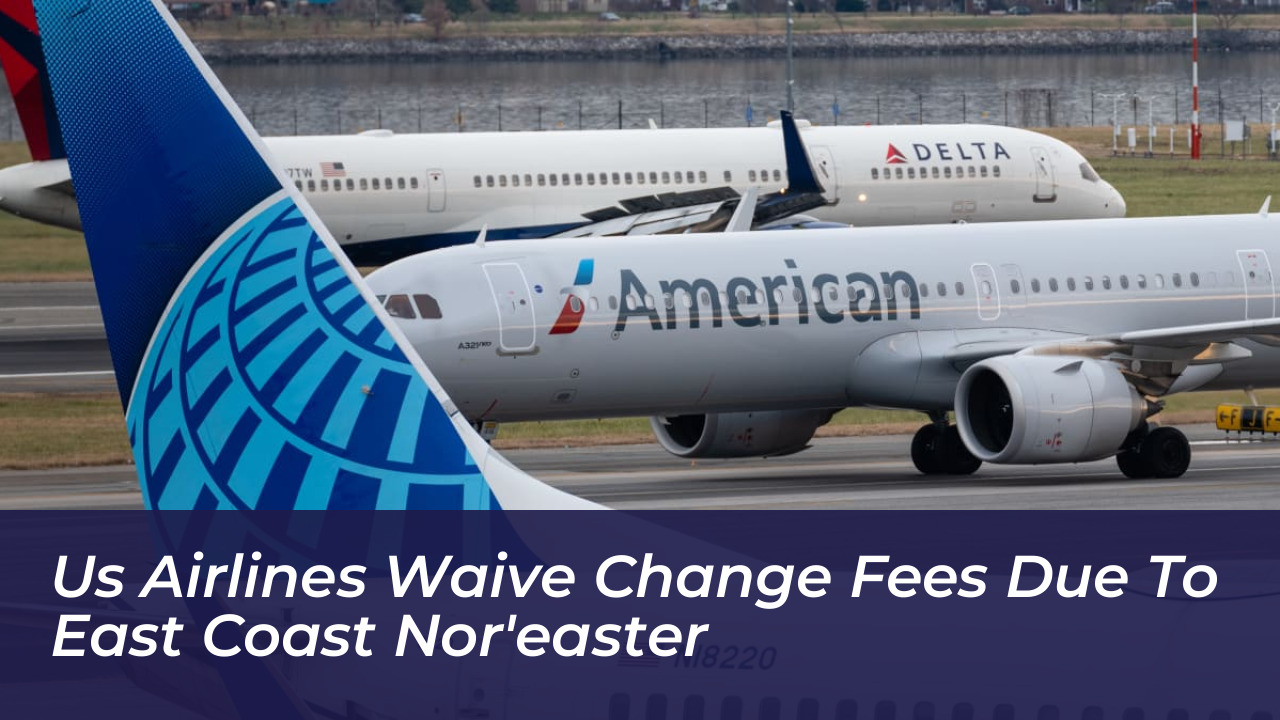
A powerful extratropical storm system moving up the Atlantic seaboard is creating severe operational hazards across major aviation hubs in the Northeast and New England. Federal weather forecasters warned of sustained high winds, heavy rainfall, and potential coastal flooding beginning Friday and extending through the weekend. In response, major commercial carriers activated comprehensive weather waivers. These emergency provisions allow impacted passengers to reschedule travel plans without incurring standard ticket penalties.
- Understanding the East Coast Nor’easter Impact on Air Travel
- National Airspace Ripple Effects
- Key Affected Airports in the Northeast Corridor
- Major Airline Waiver Policies and Specific Airport Coverage
- American Airlines Waiver Terms
- United Airlines Waiver Terms
- JetBlue Airways Waiver Terms
- Southwest Airlines and Delta Air Lines Provisions
- Airline Weather Waiver Comparison Table
- Summary of Carrier Policies
- Current Flight Disruptions and Airport Statistics
- Air Traffic Control Outages
- Operational Strategy: Why Airlines Pull Schedules Ahead of Storms
- Network Protection and Aircraft Positioning
- Financial Implications for Travelers Beyond Change Fees
- Fare Class Disparities and Ticket Costs
- Incidental Expenses and Travel Insurance
- Non-Refundable Land Arrangements
- Actionable Steps for Passengers Flying Through the Northeast
- Digital Tracking and Self-Service Rebooking
- Leveraging Alternative Hubs and Documenting Expenses
- Frequently Asked Questions
- Do I automatically qualify for a change fee waiver if my flight touches the Northeast?
- What happens if my flight is canceled entirely by the airline?
- Can I change my destination city under the current nor’easter waivers?
Air travel across the Eastern Seaboard relies heavily on high-density airspace corridors where single weather events can trigger cascading national delays. When major terminals like Boston Logan International Airport (BOS), New York’s LaGuardia Airport (LGA), John F. Kennedy International Airport (JFK), and Newark Liberty International Airport (EWR) experience reduced capacity, the ripple effects touch connecting flights nationwide. Travelers holding tickets for Friday through Sunday flights face significant operational adjustments as airlines actively manage equipment positioning.
Understanding the East Coast Nor’easter Impact on Air Travel
National Airspace Ripple Effects
Air traffic flow management requires precise timing and clear runways to function efficiently. When a massive storm system sweeps through the Northeast corridor, the Federal Aviation Administration implements ground stops and air traffic flow programs. These measures reduce arrival rates significantly. Consequently, a flight originating in Chicago and heading to Boston experiences delays because the destination airport cannot accept incoming aircraft at its normal capacity.
Airlines monitor these restrictions continuously to avoid stranding aircraft in gridlocked sectors. Managing high-density airspace during adverse weather demands proactive schedule reductions. Passengers connecting through primary East Coast hubs often find their entire itineraries disrupted, even if local weather conditions at their departure city appear completely clear and sunny.
Key Affected Airports in the Northeast Corridor
Travelers holding tickets for weekend flights face significant operational adjustments as airlines actively manage equipment positioning across major hubs including Boston Logan (BOS), New York LaGuardia (LGA), JFK, and Newark Liberty (EWR). Regional facilities such as Philadelphia International Airport and Bradley International Airport also experience operational strain. Airlines utilize waivers precisely to divert passenger traffic away from these congested zones before conditions deteriorate further.
Ground crews face severe hazards during high wind events, leading to the suspension of baggage handling and jet bridge operations. This operational standstill compounds delays across every terminal. Passengers scheduled through these specific airports must check real-time airline apps to stay informed of sudden schedule adjustments.
Major Airline Waiver Policies and Specific Airport Coverage
Airlines implement weather waivers proactively to protect passengers from financial loss while maintaining control over flight crew and aircraft scheduling. The scope of these waivers varies by carrier regarding eligible airports, rebooking deadlines, and fare difference rules. Understanding each airline’s specific policy parameters prevents unexpected costs when adjusting itineraries during a major weather event.
American Airlines Waiver Terms
American Airlines issued a travel alert covering 16 regional airports across the Northeast corridor, including key hubs like JFK, LGA, and EWR. Passengers who purchased tickets before September 23 for travel across the weekend qualify for a one-time change without penalty. The origin and destination cities must remain identical, and travelers must complete their rescheduled journeys by the designated midweek cutoff date.
If travelers choose to cancel their trips entirely rather than rebook, American Airlines provides travel credits under specific conditions. However, standard change fees are strictly waived only if the itinerary falls within the officially published advisory dates and targeted airport codes.
United Airlines Waiver Terms
United Airlines implemented a flexible waiver that addresses ten specific airports in the affected zone. Crucially, United’s policy waives both standard change fees and any applicable fare differences for qualifying itineraries. Rebooked flights must depart prior to the September 29 deadline to secure the fee and fare waiver protections.
This policy provides substantial financial relief for passengers holding tickets in lower fare classes that typically sell out quickly. By absorbing the fare difference, United minimizes the out-of-pocket burden for travelers forced to adjust their weekend travel plans due to the approaching storm.
JetBlue Airways Waiver Terms
JetBlue Airways extended its waiver program across 11 airports in New England and the New York metropolitan area. The airline explicitly waives change fees, cancellation fees, and fare differences for tickets purchased by September 24. Passengers can select new travel dates extending through September 30.
JetBlue customers enjoy straightforward self-service rebooking options through the carrier mobile application. This digital integration allows travelers to secure alternative seats before customer service phone lines experience heavy congestion from stranded passengers.
Southwest Airlines and Delta Air Lines Provisions
Southwest Airlines targeted seven specific airports with a flexible rebooking window allowing passengers to travel within 14 days of their original departure date without paying additional fare costs. This generous window accommodates travelers whose business or personal schedules require flexibility well past the immediate weekend storm window.
Delta Air Lines similarly covers seven regional airports, offering passengers the choice to rebook flights departing before September 30 or cancel entirely to receive an electronic credit (eCredit) for future travel. Delta ensures that customers retain the full value of their ticket purchases even if they decide to forego travel altogether.
Airline Weather Waiver Comparison Table
Reviewing specific carrier provisions side-by-side helps travelers identify exact rebooking deadlines and fare difference rules before making changes to their travel plans.
Summary of Carrier Policies
| Airline | Covered Airports | Fare Difference Waived? | Rebooking Deadline |
|---|---|---|---|
| American Airlines | 16 Airports (JFK, LGA, EWR, BOS, etc.) | No (Change fee only) | Mid-week (Before October 1) |
| United Airlines | 10 Airports | Yes | September 29 |
| JetBlue Airways | 11 Airports | Yes | September 30 |
| Southwest Airlines | 7 Airports | Yes | Within 14 days of original flight |
| Delta Air Lines | 7 Airports | Yes (or eCredit issued) | September 30 |
Analyzing this data reveals that while most major carriers waive fare differences, American Airlines limits its relief strictly to the change fee itself. Passengers must evaluate their ticket class and potential price escalations before executing changes on carriers with stricter guidelines.
Current Flight Disruptions and Airport Statistics
Operational data from tracking services such as FlightAware highlights the immediate toll the nor’easter took on airline schedules across the Eastern Seaboard. Boston Logan International Airport recorded approximately 250 flight cancellations by Saturday morning, wiping out nearly a quarter of its scheduled daily operations. Ground stops and reduced runway acceptance rates compounded the problem.
These weekend disruptions followed an unstable operational week. On Friday preceding the storm, over 600 flights servicing LaGuardia Airport suffered severe delays, impacting nearly 60 percent of all scheduled arrivals and departures. Similar congestion hit regional facilities including Philadelphia International Airport and Bradley International Airport.
Air Traffic Control Outages
Compounding matters further, a major air traffic control equipment outage earlier in the week had already forced carriers to cancel hundreds of flights in the New York metropolitan area. This technical failure left aircraft and flight crews severely out of position before the storm even made landfall. When equipment outages overlap with severe weather advisories, airline recovery times stretch from hours into multiple days.
Airlines rely on tight scheduling rotations to maintain efficiency. Losing several aircraft from the rotation in major hubs creates a domino effect that impacts regional spoke airports across the entire country. Passengers must remain vigilant and track incoming aircraft tail numbers to anticipate potential reactionary delays.
Operational Strategy: Why Airlines Pull Schedules Ahead of Storms
Casual travelers often wonder why airlines cancel hundreds of flights before severe weather actually hits an airport. Carriers do not pull schedules arbitrarily; rather, they use sophisticated predictive modeling to protect their network integrity. Leaving aircraft and flight crews vulnerable in high-risk zones during a nor’easter creates a cascading paralysis across the entire national airspace.
When high crosswinds and heavy rainfall reduce airport acceptance rates by 50 percent or more, incoming planes cannot land on schedule. If crews time out or aircraft are trapped at snowbound or flooded gates, recovery takes days. Proactive cancellations allow airlines to park planes in secure hangars or fly them out of harm’s way, ensuring that once the storm passes, normal operations can resume within hours rather than days.
Network Protection and Aircraft Positioning
Airlines treat their fleets as interconnected assets. If a single aircraft gets stuck in Boston due to flooding, subsequent flights assigned to that plane in Charlotte, Atlanta, and Miami automatically experience delays or cancellations. By grounding equipment proactively, airlines contain the operational damage.
Flight crew scheduling regulations also dictate these preemptive measures. Pilots and flight attendants face strict federal duty time limits. Stranding crews in terminal hotels without accessible transportation options disrupts staffing rosters for days. Preemptive cancellations keep personnel positioned correctly for rapid post-storm deployment.
Financial Implications for Travelers Beyond Change Fees
While airlines waive change fees during declared weather emergencies, passengers frequently encounter hidden expenses that fall outside standard waiver protections. Understanding these financial exposure points helps travelers manage trip disruptions effectively.
Fare Class Disparities and Ticket Costs
Only select airlines waive fare differences. If your original fare bucket is sold out on the new date, other carriers require you to pay the difference in ticket price. Travelers flying on basic economy tickets face strict limitations, as these fares rarely qualify for flexible rebooking options even under declared weather waivers.
Reviewing the exact fare rules associated with your ticket before confirming a new date prevents unexpected credit card charges. Selecting mid-week travel dates often yields lower fare buckets, minimizing potential out-of-pocket expenses when carrier waivers exclude fare differences.
Incidental Expenses and Travel Insurance
Airlines are generally not required to provide hotel accommodations, meals, or ground transportation vouchers when flight disruptions stem from Acts of God like a nor’easter. Travel insurance policies and premium credit cards with trip interruption benefits remain the primary recourse for these out-of-pocket costs.
Filing claims through credit card insurance providers requires retaining all original itemized receipts for meals, lodging, and alternate transportation. Reviewing policy declarations prior to departure ensures you understand exact coverage limits for weather-related delays.
Non-Refundable Land Arrangements
Rental cars, prepaid hotel stays, and event tickets booked independently of the airline ticket are rarely covered by airline weather waivers. Travelers must coordinate directly with third-party providers for separate weather-related cancellation policies. Many hotels and rental car agencies offer flexible cancellation windows if notified before the reservation pickup time.
Actionable Steps for Passengers Flying Through the Northeast
Navigating an active severe weather event requires a systematic approach to secure alternative travel arrangements before airport lines become unmanageable.
Digital Tracking and Self-Service Rebooking
Monitor flight status via airline mobile applications or tracking services before leaving for the airport to avoid unnecessary travel to gridlocked terminals. Avoid long telephone hold times by using the airline app or website to execute your waiver change immediately once an advisory goes live.
Self-service tools allow passengers to view open seats and confirm new itineraries instantly. Waiting in long airport ticket counter lines significantly reduces your chances of securing preferred alternative flights.
Leveraging Alternative Hubs and Documenting Expenses
Route through unaffected regional alternatives if your destination airport is closed or experiencing extreme delays. If you must secure emergency lodging due to a stranded connection, keep detailed receipts for any necessary expenses to submit to your travel insurance provider.
Frequently Asked Questions
Do I automatically qualify for a change fee waiver if my flight touches the Northeast?
Waivers apply strictly to passengers ticketed to fly to, from, or through specifically designated airports listed in each airline’s active travel advisory. If your itinerary does not include the exact airport codes specified in the waiver notice, standard change fees and fare rules apply.
What happens if my flight is canceled entirely by the airline?
If an airline cancels your flight due to severe weather or operational scheduling, federal regulations entitle you to a full cash refund to your original form of payment. You are never obligated to accept travel vouchers or electronic credits if you choose not to travel.
Can I change my destination city under the current nor’easter waivers?
Most major carriers require the origin and destination cities to remain identical under standard weather waivers. Changing your final destination typically triggers standard fare recalculations and change fees, unless an agent grants an exception during severe operational emergencies.