A severe nor’easter striking the New York City metropolitan area resulted in a fatal accident in Brooklyn, claiming the life of a 56-year-old New York City Housing Authority employee. The tragedy highlights the extreme risks faced by outdoor municipal workers during sudden meteorological events across the five boroughs. Emergency services responded swiftly to the incident, which occurred amidst torrential rain and powerful wind gusts.
- Tragedy at Cypress Hills Houses: The Brooklyn Nor’easter Incident
- Emergency Response and Fatality Details
- Official Statements and Community Grief
- Meteorological Context: The September Nor’easter Impact
- Storm Intensity Across the Five Boroughs
- Widespread Regional Disruptions
- Urban Arboriculture: Why Early Autumn Storms Cause Tree Failures
- The Mechanics of September Tree Collapses
- Municipal Infrastructure Challenges
- Evaluating Agency Protocols and Municipal Safety Standards
- Internal Reviews and Accountability
- Broader Labor Protection Measures
- Safety Guidelines and Future Risk Mitigation
- Essential Precautions During High Wind Advisories
- Protecting Municipal Frontline Workers
- Frequently Asked Questions
Tragedy at Cypress Hills Houses: The Brooklyn Nor’easter Incident
Emergency Response and Fatality Details
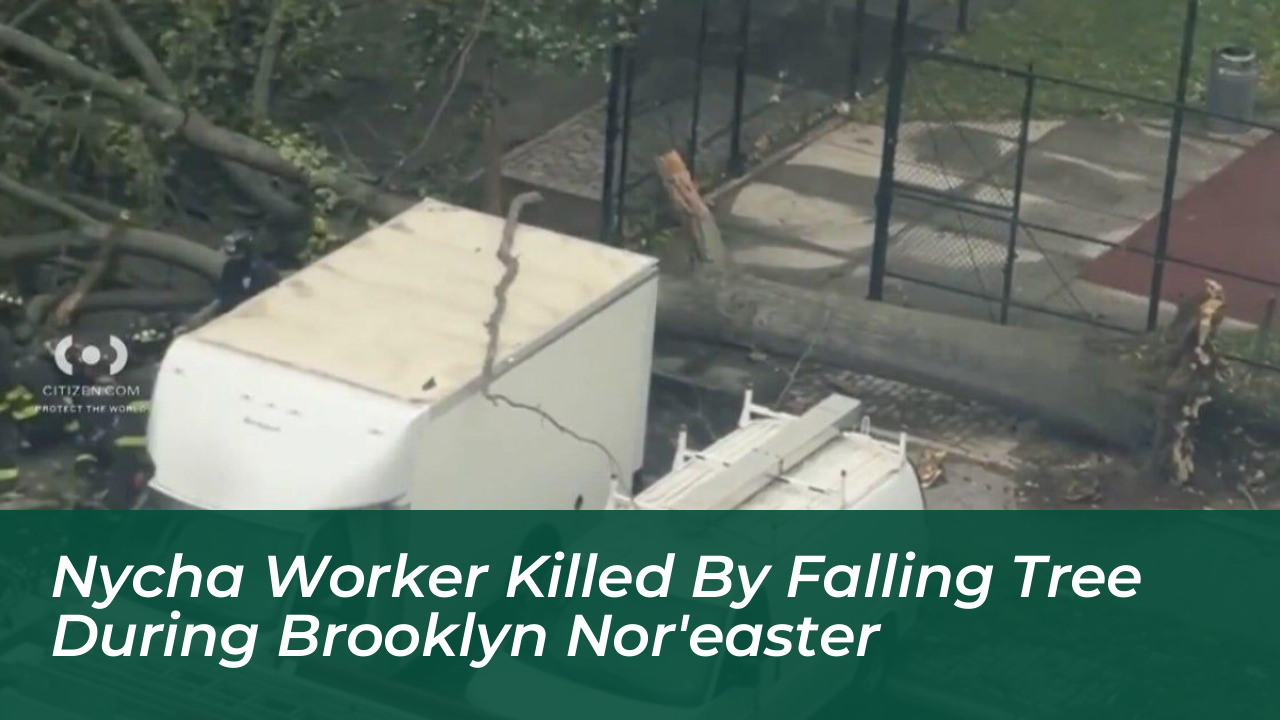
Emergency services received frantic calls around 3:30 p.m. reporting an accident inside a parking lot at the Cypress Hills Houses community center, located at 700 Euclid Avenue in the East New York neighborhood. First responders from the New York City Fire Department arrived quickly to find the victim pinned beneath heavy timber. Rescue crews worked under hazardous weather conditions to extract the man before transport.
Paramedics rushed the victim to Brookdale Hospital Medical Center in critical condition. Despite immediate lifesaving efforts by emergency medical staff, physicians pronounced him dead shortly after arrival. Local authorities withheld the man’s name pending formal family notifications.
Official Statements and Community Grief
Representatives from the New York City Housing Authority confirmed the employment status of the victim shortly after the incident shook the local community. The loss of a frontline worker during an active weather emergency generated immediate grief and concern among housing advocates and agency colleagues. Officials expressed their deepest condolences to the affected family while emphasizing the dedication of frontline staff.
Citizen app footage and eyewitness reports from the scene depicted a chaotic environment inside the residential complex parking lot. FDNY personnel utilized specialized equipment to lift heavy branches away from the victim. Occupational safety advocates are expected to review the circumstances surrounding the incident to determine if agency protocols during severe weather warnings require immediate adjustment.
Meteorological Context: The September Nor’easter Impact
Storm Intensity Across the Five Boroughs
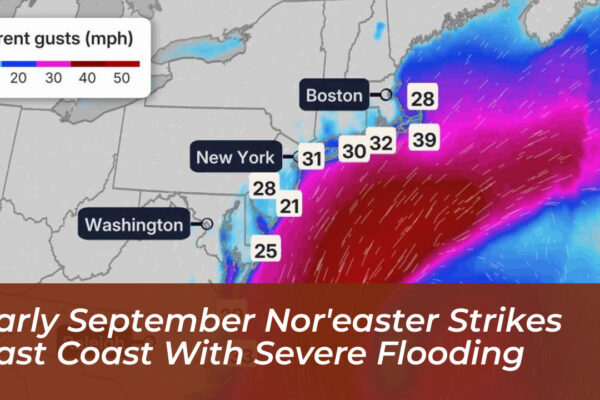
The fatal accident occurred as an unseasonably strong nor’easter battered the Tri-State area with torrential rain, saturated soils, and powerful wind gusts. Meteorological instruments recorded sustained winds exceeding 30 miles per hour in New York City, with coastal areas experiencing gusts approaching 50 miles per hour. The storm system wreaked havoc across multiple boroughs and surrounding suburbs long before the Saturday afternoon fatality.
State and local officials issued urgent advisories urging residents to limit non-essential travel. Governor Kathy Hochul and municipal leaders warned the public about compromised tree root systems resulting from persistent heavy rainfall totaling between one and three inches across the region. Emergency management teams remained on high alert throughout the weekend.
Widespread Regional Disruptions
In Queens, high winds split a mature tree in two, sending a massive section crashing down onto a parked passenger vehicle. Similar incidents occurred in northern Westchester County, where falling trees and downed electrical wires blocked South Bedford Road, and in Montrose, where debris halted traffic on U.S. Route 9. Municipalities across the region mobilized crews to clear blocked roadways.
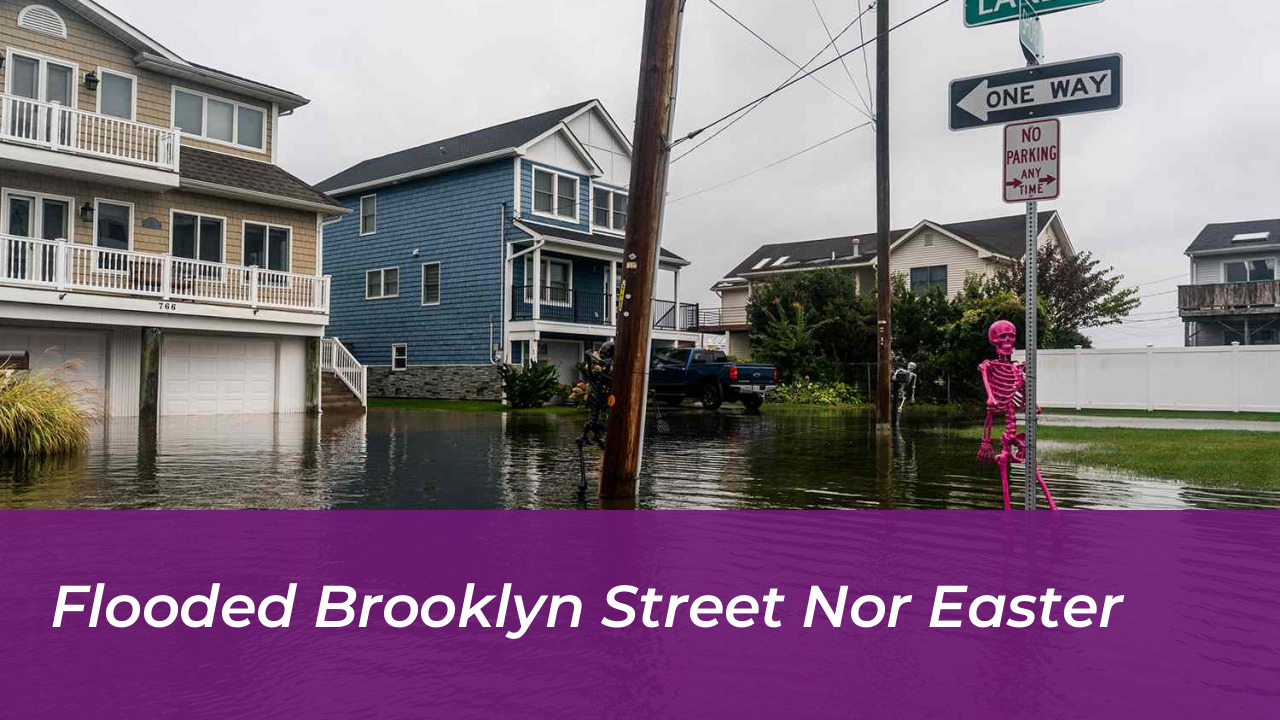
Coastal flooding also impacted vulnerable shorelines across Brooklyn, Staten Island, the Jersey Shore, and Long Island communities. Municipalities across Connecticut and Long Island shuttered parks, athletic fields, and beaches through the weekend. Major league sports organizations adjusted start times for weekend games to protect fans and players from severe weather hazards.
Urban Arboriculture: Why Early Autumn Storms Cause Tree Failures
The Mechanics of September Tree Collapses
Urban foresters and arborists point out that early autumn nor’easters present unique hazards to city trees compared to winter storms. Trees retain full canopies of heavy green leaves during September and October. When high winds accompany heavy precipitation, the foliage acts like a sail, catching the force of the wind while saturated soil weakens root anchorage.
Continuous downpours loosen urban soil beds, reducing the friction and grip that root systems rely upon. Retaining seasonal foliage significantly increases wind resistance compared to bare winter branches. Many urban trees suffer from internal root rot or structural damage that remains invisible without specialized diagnostic tools.
Municipal Infrastructure Challenges
Municipal agencies like the Parks Department and housing authorities face immense challenges in maintaining millions of street trees across tight urban environments. Extreme weather patterns driven by climate volatility continue to increase the frequency of high-stress weather events in the Northeast. Routine maintenance schedules must adapt to these shifting environmental realities.
Evaluating existing agency safety protocols for outdoor municipal staff during severe weather warnings remains a top priority for labor representatives. Protecting workers requires balancing the necessity of maintaining public infrastructure with the absolute need to remove personnel from hazardous outdoor environments during active storm warnings.
Evaluating Agency Protocols and Municipal Safety Standards
Internal Reviews and Accountability
Housing authority leadership launched an immediate internal review to examine dispatch decisions made during the severe weather alert. Union representatives called for stricter enforcement of indoor shelter mandates whenever wind speeds exceed safe operational thresholds. City council members demanded transparent reporting on tree inspection backlogs across public housing developments in every borough.
Investigators aim to determine whether prior work orders regarding unstable branches near the Cypress Hills parking lot received adequate attention. Frontline maintenance workers often face immense pressure to keep properties clear of storm debris while active weather systems batter local neighborhoods. Ensuring clear lines of authority between supervisors and field crews remains essential for preventing future worker fatalities.
Broader Labor Protection Measures
Labor organizations representing municipal employees across New York City continue pushing for standardized inclement weather policies. These updated frameworks propose automatic suspension of non-emergency outdoor tasks during high-wind and flood warnings. Implementing these safeguards protects civil servants from avoidable environmental hazards during intensifying regional storms.
City agencies must invest heavily in advanced diagnostic tools, including sonic tomography and root radar, to detect structural tree decay before seasonal storms arrive. Proactive arboricultural management directly reduces the likelihood of catastrophic tree failures near residential communities and crowded public walkways.
Safety Guidelines and Future Risk Mitigation
Essential Precautions During High Wind Advisories
As recovery efforts begin and lingering rain showers clear out, municipal safety agencies remind residents to exercise extreme caution near damaged infrastructure. Downed power lines often hide beneath standing floodwaters or tangled tree debris. Avoiding parking or walking beneath mature trees during active storm warnings is essential for personal safety.
| Hazard Type | Immediate Risk | Recommended Action |
|---|---|---|
| Mature Trees | Branch failure and root collapse | Avoid parking or walking underneath trees during high winds |
| Downed Power Lines | Electrocution hidden by water | Stay at least 30 feet away and report to utility providers |
| Coastal Flooding | Trapped vehicles and strong currents | Do not drive through standing water on roadways |
Protecting Municipal Frontline Workers
Evaluating emergency deployment standards for housing authority and sanitation crews will help prevent future tragedies. Enhancing pre-storm tree inspection protocols in high-density residential complexes ensures that compromised trees are identified and pruned before storms strike. Honoring the service and sacrifice of municipal employees maintaining public infrastructure remains vital as cities adapt to increasingly volatile weather patterns.
Frequently Asked Questions
- What caused the fatal accident at the Cypress Hills Houses?
A large mature tree collapsed in the community center parking lot due to saturated soils and high winds from a severe nor’easter, striking a 56-year-old NYCHA employee.
- How strong were the winds during the September nor’easter?
Sustained winds exceeded 30 miles per hour across New York City, with coastal gusts approaching 50 miles per hour.
- Why are early autumn storms particularly dangerous for trees?
Trees retain full canopies of heavy green leaves in September, which act like sails against high winds while heavy rainfall loosens the surrounding soil.
- What measures are unions demanding after the incident?
Labor representatives are pushing for stricter enforcement of indoor shelter mandates and the suspension of non-emergency outdoor tasks during severe weather warnings.