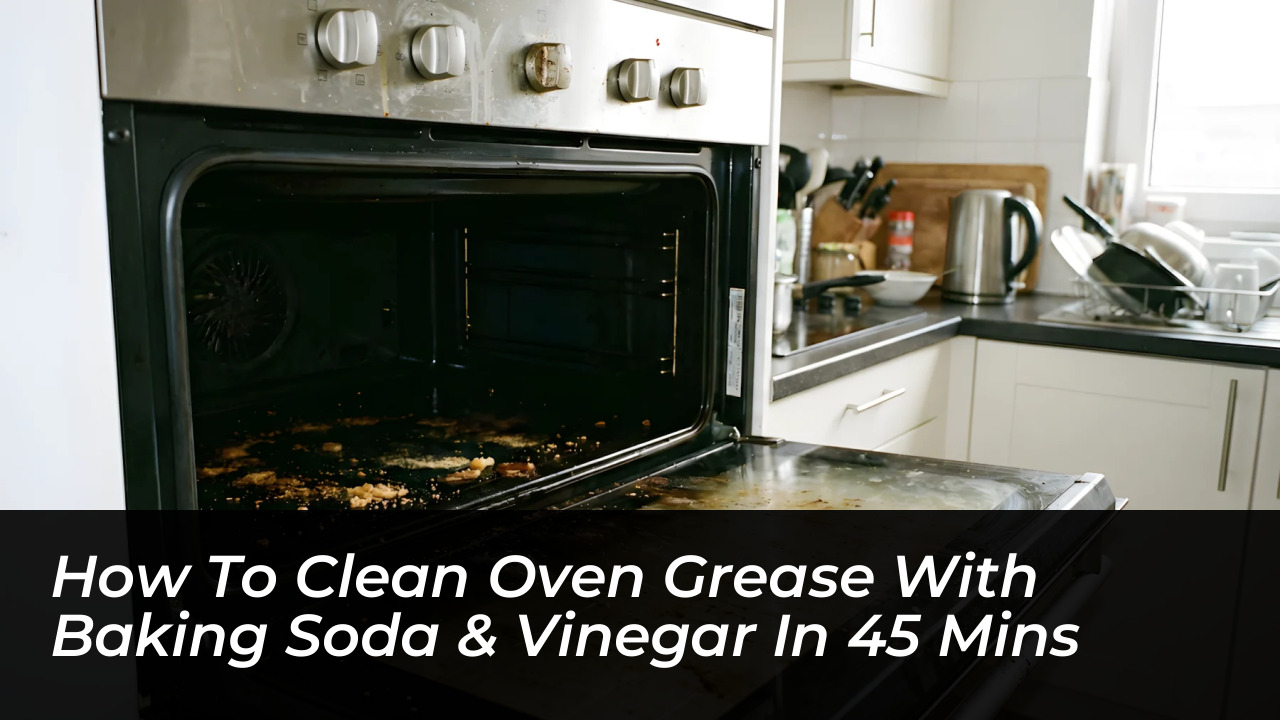
Dark, hardened layers of grease and carbonized food inside kitchen appliances often cause unpleasant smoke and lingering burnt odors during everyday cooking. Traditional store-bought oven cleaners rely on caustic chemicals that emit toxic fumes, requiring intense scrubbing and protective gear. Fortunately, you can safely dissolve baked-on food residues and grease in just 45 minutes using simple household ingredients without abrasive scraping or harsh chemicals.
Due to high traffic on this story, please verify you are not a bot to instantly unlock the remaining content. Takes only 5 seconds!
Verify & Continue ReadingThe secret to natural deep cleaning lies in chemical reaction time rather than physical force. When left to sit, the alkaline properties of baking soda soften grease and charred splatters so they detach cleanly when wiped. Forcing the process with steel wool or harsh scouring pads often scratches delicate porcelain enamel surfaces, creating microscopic grooves where future grime settles even deeper.
The Science of Loosening Baked-On Grease
A frequent mistake when tackling dirty appliances is scrubbing immediately after applying a cleaning agent. Burnt animal fats and caramelized sugars undergo chemical changes under intense heat, hardening into a carbonized crust across the base, walls, and glass door. Allowing an active cleaning paste sufficient contact time is critical for loosening carbonized grease, preventing the need for excessive physical force that damages protective coatings.
According to the American Cleaning Institute, baking soda is an effective, non-toxic alkaline compound that neutralizes acidic food residues, making it a powerful natural degreaser. When mixed with water, it forms a dense paste that clings securely to vertical surfaces.
Essential Materials Needed
- 1 cup of pure baking soda
- Moderate amount of warm water
- Standard white vinegar in a spray bottle
- Pair of rubber cleaning gloves
- Soft microfiber cloth or kitchen sponge
- Non-scratch plastic spatula for stubborn spots
Step-by-Step Guide: Breaking Down Grease in 45 Minutes
To safely clean your appliance, start only after the unit is completely switched off and cool to the touch. Taking systematic steps ensures maximum chemical efficiency and protects your internal components.
1. Preparation and Component Removal
Turn off the appliance and confirm it is completely cold. Slide out all internal wire racks, side rails, and baking trays. Taking these components out first makes them far easier to soak and scrub separately without working inside a confined space.
2. Mixing the Dense Alkaline Paste
Combine baking soda with a moderate amount of water in a small bowl until it forms a thick, spreadable paste with a consistency similar to toothpaste. If the mixture is too runny, it will slide down vertical walls before penetrating the grease.
3. Safe Application Around Internal Components
Spread the paste generously over stained enamel panels using a gloved hand or sponge. Completely avoid heating elements, electrical wiring, ventilation openings, and internal convection fans.
4. The 45-Minute Dwell Time
Let the paste sit undisturbed for at least 45 minutes to break down hardened grease layers. In stubborn cases, an alternative method involves running the oven at 100 °C (212 °F) for 45 minutes with the treatment applied to accelerate the softening of hardened residue. Always ensure your kitchen remains thoroughly ventilated during this process to disperse stale food aromas.
5. Vinegar Activation and Wiping
After the dwell time, spray white vinegar over the baking soda paste. The mild acidity of the vinegar triggers a foaming carbon dioxide reaction that lifts loosened solids. Wipe the residue away using a damp microfiber cloth or soft kitchen sponge, rinsing the cloth frequently.
Managing Stubborn Spatters and Metal Racks
Racks and side rails accumulate heavy grease deposits along welded metal joints and outer edges. Place these metal pieces in a sink or tub, coat them with the remaining baking soda mixture, and let them rest for the same duration before wiping them down with a non-scratch sponge.
If isolated scorched spots remain after your first wipe-down, resist the urge to scrub with aggressive force. Simply apply a fresh dab of paste directly to the persistent spot, wait another brief period, and wipe clean. This localized treatment eliminates grease patches without dulling the appliance finish.
Comparison of Oven Cleaning Methods
Reviewing different cleaning approaches helps determine the best strategy for your kitchen routine without damaging appliance finishes.
- Baking Soda & Vinegar Dwell Method: Softens carbonized residue within 45 minutes; protects porcelain enamel from scratches and eliminates toxic fumes.
- Immediate Forceful Scrubbing: Requires heavy physical exertion and risks stripping internal enamel, dulling glass, and scratching metal surfaces.
- Oven Pre-Warm Treatment (100 °C / 212 °F): Speeds up the breakdown of thick, weeks-old grease coatings before wiping.
- Regular Post-Cooking Wipe Down: Prevents fresh liquid splatters from baking into difficult carbon deposits during subsequent meals.
Clearing the Glass Door Without Scratches
The interior glass door panel regularly suffers from evaporated oil condensation and baked splashes. Keeping this transparent window clean improves visibility so you do not have to open the door and lose internal heat during cooking cycles.
Use a soft microfiber towel with a light coating of baking soda paste on the glass. Avoid coarse scouring pads that leave permanent swirling marks. If grease has leaked into the space between double-glazed panels, consult your manufacturer manual before removing retention screws or detaching the door assembly.
Preventive Habits to Minimize Deep Cleaning
You can dramatically cut down deep-cleaning frequency by implementing preventive cooking habits:
- Cover roasting dishes with lids or high-grade aluminum foil to catch splatters.
- Utilize sheets of parchment paper on baking trays.
- Wipe up bubbling spills immediately as soon as the appliance cools down.
- Run a quick damp microfiber cloth over interior panels after heavy roasting sessions.
Simple kitchen staples provide enough chemical power to strip away months of grease without toxic store-bought fumes, ensuring a safer cooking environment for your entire household.