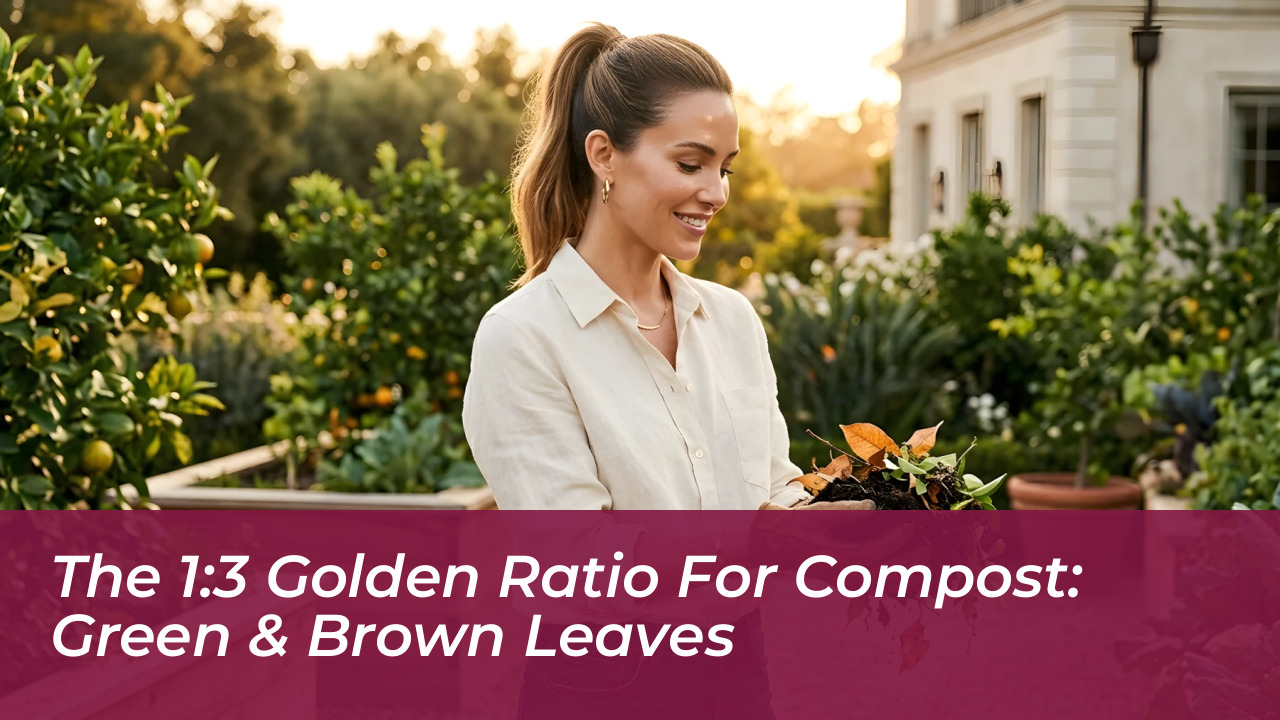
Creating rich, dark soil from yard waste requires an exact recipe: blend one part nitrogen-rich greens with two to three parts carbon-rich browns. When dealing with seasonal yard cleanup and brown leaves compost heaps, missing this proportion leads directly to a stagnant pile or a putrid, oxygen-depleted sludge that halts decomposition entirely. The biological engine inside a compost pile relies on microscopic organisms that consume carbon for energy and nitrogen to build protein. Dried foliage, shredded cardboard, and twigs provide essential carbon, while fresh green leaves, kitchen scraps, and lawn trimmings deliver fast-acting nitrogen. Balancing these two inputs ensures that heat builds consistently without suffocating the beneficial microbes doing the heavy lifting.
Due to high traffic on this story, please verify you are not a bot to instantly unlock the remaining content. Takes only 5 seconds!
Verify & Continue ReadingWhy the Carbon and Nitrogen Balance Dictates Success
Decomposition is an active biological process, not passive decay. When fresh plant tissue sits alone in a heap, excessive moisture and high nitrogen levels create an anaerobic environment where beneficial bacteria suffocate. Introducing coarse, dry materials creates physical air channels, allowing oxygen to circulate while carbon regulates moisture levels throughout the core.
“If you just put green in, it becomes really nitrogen-rich and sludgy. Piles of grass cuttings end up going black and slimy.” – Phil Young, horticultural specialist at the Eden Project
Phil Young highlights that carbon acts as a buffer to keep bacterial activity functional. Dry materials absorb surplus water released by wet kitchen peelings and tender green shoots, preventing the entire mass from collapsing inward under its own weight.
What Goes In and What Stays Out
Building a healthy heap requires careful material selection to prevent foul odors, weed proliferation, and pest infestations. Clean yard waste and kitchen trimmings break down predictably, but certain household organic materials must never enter outdoor bins.
- Approved Carbon Browns: Dried autumn leaves, shredded branches, egg cartons, plain non-glossy paper, and scrunched cardboard free of adhesive tape and synthetic glue.
- Approved Nitrogen Greens: Pruned green foliage, fresh grass clippings, raw vegetable peelings, moldy fruit, old houseplants, and healthy post-season container plants.
- Forbidden Contaminants: Meat, poultry, seafood, dairy products, processed bread, and oily leftovers, all of which attract rodents.
- Persistent Garden Pests: Invasive perennial roots like bindweed, ground elder, and docks, as well as plant foliage infected with fungal blight or viruses.
Leftover cooked vegetables are safe to toss into the mixture only if they were prepared entirely without butter, meat broths, or animal fats. When incorporating corrugated shipping boxes, scrunching the torn pieces into loose balls creates vital pockets that trap oxygen deep within dense layers.
Myth-Busting: Does More Green Waste Accelerate the Pile?
A widespread misconception among home gardeners is that loading a bin primarily with soft green waste accelerates the breakdown speed due to high moisture. In reality, a heap saturated with green clippings quickly starves the system of structural air spaces, lowering internal temperatures and creating rancid smells. True biological acceleration requires structural carbon browns to preserve porous cavities where aerobic bacteria flourish.
Compost Classification Overview
- Primary Material: Carbon-Rich Browns – Examples: Dry brown leaves, shredded cardboard, egg boxes, chipped woody stems.
- Primary Material: Nitrogen-Rich Greens – Examples: Fresh grass clippings, green pruning leaves, vegetable peelings, spent potting plants.
Managing Airflow and Pile Mechanics
Container placement and internal air movement determine how rapidly raw scraps turn into usable soil. If using an open-bottom compost bin, position the unit directly over bare garden soil lined with a base layer of heavy-duty wire mesh. This physical barrier blocks burrowing rodents like rats while granting earthworms and underground microbes unhindered entry into the decaying matter.
“Layer your browns and greens like a cake or lasagne, adding one part greens to two-to-three browns,” experts advise. Never fill a compost receptacle to its absolute brim. Maintaining the pile at roughly two-thirds capacity leaves adequate physical clearance to plunge an aerating garden fork straight down to the base.
Turning the material approximately once a week redistributes concentrated pockets of heat and moisture, preventing outer edges from desiccating while the center overheats. This routine mechanical turning delivers fresh oxygen directly to the working bacteria, whose biological activity drives pile temperatures upward. Gardeners who skip weekly aeration engage in cold composting, a passive method that dramatically stretches out the decomposition timeline.
Recognizing When the Compost Is Finished
Depending on seasonal weather patterns and physical turning frequency, finished compost material can develop in as little as one month or take up to two full years. Rather than tracking dates on a calendar, monitor the physical transformation taking place inside the bin. Finished compost features a uniform, dark brown appearance with a crumbly, soil-like consistency devoid of identifiable original plant scraps. The finished product must carry a fresh, earthy scent reminiscent of a clean woodland floor. Once this stage arrives, spread the nutrient-dense amendment across garden beds to enrich soil structure ahead of upcoming planting cycles.
Quick Troubleshooting Tips
- Moisture Check: Squeeze a handful of material; it should feel like a wrung-out sponge without dripping excess water.
- Odor Control: Adjust your layers proactively if the bin begins to produce sour odors by turning in two additional buckets of dry brown leaves immediately.
- Pest Protection: Upgrade your bin security with galvanized mesh underneath open units to keep burrowing wildlife completely locked out.
Have you cracked the perfect brown-to-green ratio in your garden, or is your pile struggling with excess moisture? Share your thoughts and experiences in the comments below.