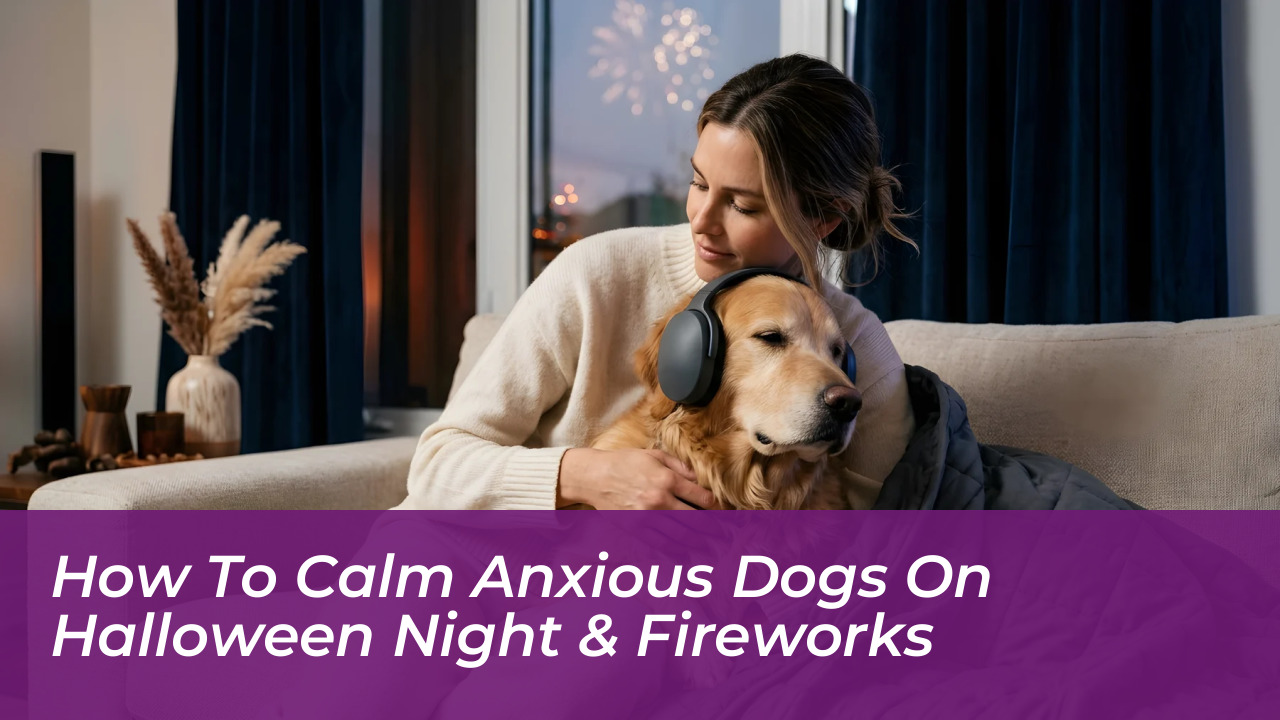
Halloween celebrations bring a massive surge in both organized displays and unsanctioned neighborhood fireworks. For a dog, whose auditory perception picks up frequencies far outside the human range, sudden cracks and whistles simulate immediate physical peril. Sudden flashes of light and high-decibel pyrotechnics routinely trigger acute panic responses in canines, leading to erratic flight behavior. Establishing an insulated safe zone well before evening celebrations begin stops severe distress before it escalates.
Due to high traffic on this story, please verify you are not a bot to instantly unlock the remaining content. Takes only 5 seconds!
Verify & Continue ReadingAddressing these sensory spikes requires structural planning rather than last-minute improvisation. To effectively calm anxious dogs on Halloween night, owners must shift outdoor routines before twilight, secure all home boundaries, and actively mask explosive noise.
Shifting Daily Schedules Before Sunset
Timing dictates how well a pet handles an evening of neighborhood commotion. Canines left outside or taken for walks during active celebrations face sensory overload from erratic foot traffic and sudden detonations. Shifting critical daily tasks ahead of dusk establishes biological stability before stressors appear.
- Early exercise: Complete extended exercise routines well before darkness falls so your pet burns physical energy safely.
- Timely bathroom breaks: Ensure all necessary bathroom visits happen before private or public pyrotechnics commence, avoiding situations where fear causes house soiling or outdoor freezing.
- Early feeding: Offer evening meals before neighborhood displays get underway, as acute stress frequently causes dogs to refuse food or suffer gastrointestinal upset.
Once biological needs are settled, attention must turn directly to securing the physical perimeter of the home.
Fortifying the Home Against Light, Sound, and Escapes
Startled animals act on pure instinct. A sudden explosion can cause an otherwise gentle dog to leap fences, break through screen doors, or slip out through entryways during trick-or-treating. Securing the home footprint serves as both a psychological barrier and a life-saving physical barrier.
Home Protection Checklist
| Stress Trigger | Safety Countermeasure |
|---|---|
| Sudden flashes of light | Close all blinds and heavy curtains fully before dusk. |
| Unpredictable explosive bangs | Run televisions or steady background audio to mask external noise. |
| Open doors during trick-or-treating | Keep pets secured in a rear room away from front entrances. |
| Panic bolting from yards | Check that garden gates, perimeter fencing, and exterior latches are locked. |
Insulating the home creates a vital auditory buffer. Running a television or steady indoor audio produces a continuous sound blanket, rounding off the sharp decibel spikes caused by nearby fireworks.
Designing a Dedicated Indoor Safe Haven
Dogs instinctively seek sheltered, low-stimulus environments when perceived threats appear. Owners should prepare a familiar sanctuary well ahead of the evening by utilizing a cozy crate, a quiet utility area, or a bedroom closet equipped with bedding and familiar personal items.
Allow the dog to access this designated area freely rather than trapping them against their will. Confining a frantic animal in a novel space can induce claustrophobic panic, whereas providing voluntary sanctuary lets them self-soothe in familiar surroundings.
Handling Fearful Reactions Without Compounding Distress
A widespread misconception suggests that acknowledging a pet’s fear reinforces their panic. In reality, fear is an involuntary neurochemical reaction, not an intentional behavioral choice. Withholding affection or leaving a pet to fend for itself in solitude dramatically amplifies anxiety.
“Halloween is an exciting time of year across the district, but it can be a stressful experience for many pets. By taking a few simple precautions, dog owners can help their pets feel safe and secure and reduce the risk of animals becoming frightened or going missing during fireworks displays.” – Enda Cummins, Principal Environmental Health Officer
Pet owners must avoid scolding or punishing anxious behavior, such as pacing, panting, or trembling. Shouting or reprimands merely confirm the animal’s suspicion that the environment is genuinely dangerous. Instead, remain present, speak in measured tones, and maintain normal indoor activities to communicate that the household remains secure.
- Do not leave highly sensitive or anxious dogs alone in the home during heavy evening displays.
- Maintain a grounded, calm demeanor to avoid projecting nervous tension into the environment.
- Allow your dog to stay close if they seek physical reassurance, providing gentle, steady contact without frantic coddling.
Actionable Steps for Halloween Night
To ensure a peaceful evening for your four-legged companion, follow these final preparation steps:
- Check entry points now: Take five minutes before dusk to confirm backyard latches, window locks, and front interior gates are completely secured.
- Test your audio setup: Turn on your television or ambient sound systems early so your dog acclimates to the background noise before fireworks start.
- Keep routines predictable: Provide early meals, secure indoor spaces, and stay close to ensure your companion navigates the night safely.
Leave your thoughts in the comments below and share your experiences with us on the methods that best soothe your pets during loud celebrations.