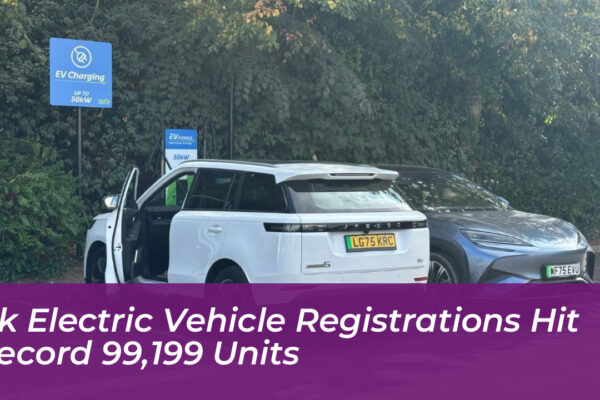



New battery electric vehicle (BEV) registrations in the United Kingdom jumped 36.3 percent year-over-year in September 2026 to reach a record 99,199 units, according to preliminary data released by the Society of Motor Manufacturers and Traders (SMMT).
This landmark performance coincided with the key September plate-change month. It drove total new car sales across the British auto market up 12.1 percent to 350,518 units. This marked the tenth consecutive month of expansion for the UK automotive sector. Improved consumer confidence, competitive manufacturer pricing, and government incentives supported this growth.
Market Share and Powertrain Breakdown
Battery electric vehicles secured a 28.3 percent market share during September. They closed in on the 37.6 percent share held by traditional gasoline cars. Nearly five new battery-electric cars were registered every minute during the month.
Electrified powertrains experienced broad adoption across various categories:
- Battery-Electric Vehicles (BEVs): 99,199 units (28.3% share, up 36.3%)
- Plug-in Hybrid Electric Vehicles (PHEVs): 59,563 units (17.0% share, up 55.7%)
- Conventional Hybrid Electric Vehicles (HEVs): 45,838 units (13.1% share, down 4.2%)
- Gasoline Cars: 131,861 units (37.6% share, down 6.7%)
- Diesel Cars: 14,057 units (4.0% share, up 11.5%)
Combined, electrified vehicles of all types accounted for a record 58.4 percent of new car registrations in September.
Top-Selling EV Models and Manufacturer Trends
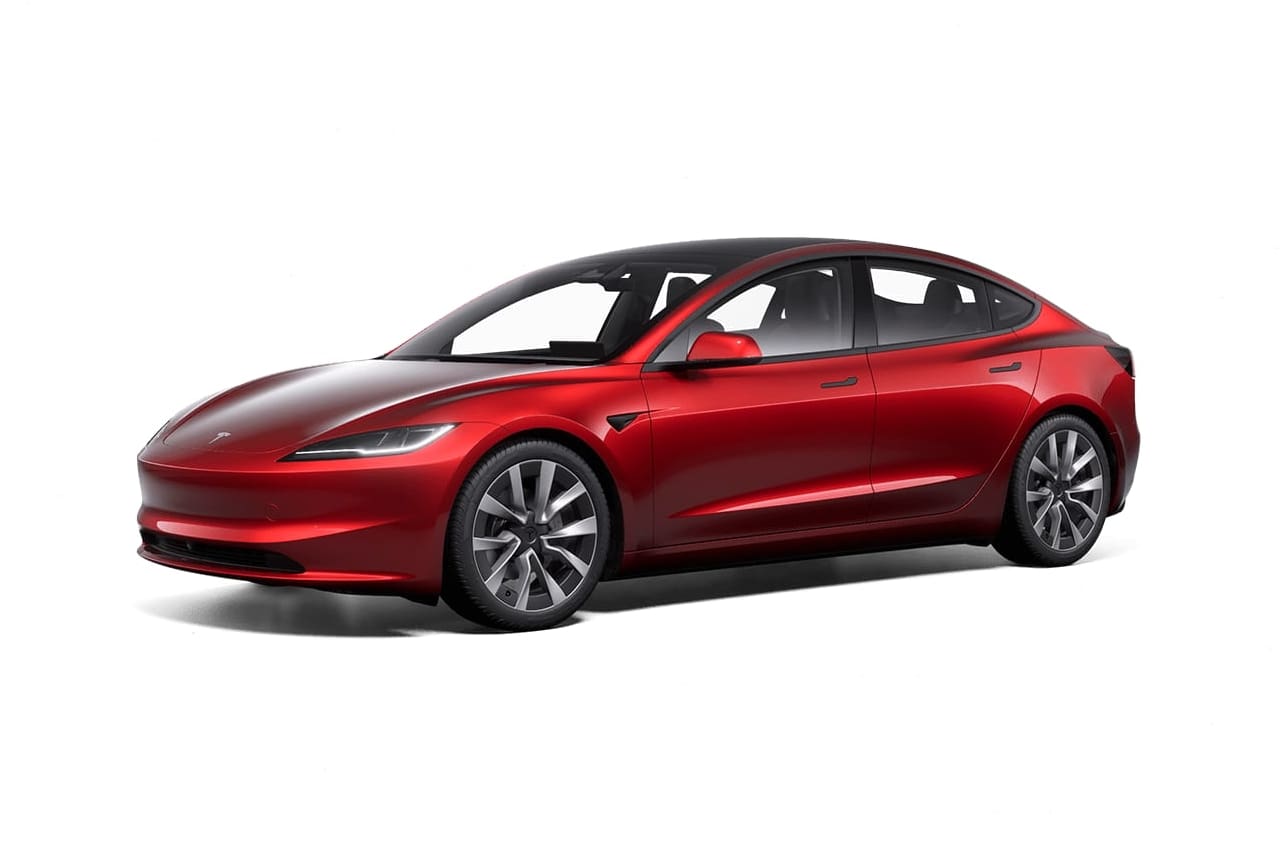
Tesla led the electric vehicle landscape during its traditional end-of-quarter delivery surge. The Tesla Model 3 emerged as the best-selling electric vehicle in the UK with 9,929 units registered. This made it the second best-selling passenger car overall regardless of powertrain. The Tesla Model Y followed as the fifth best-selling car overall with 5,946 units.

Chinese automotive brands continued to expand their footprint in the UK market. BYD secured strong positions with the Sealion 7 (3,191 units) and the Seal (3,184 units). Other notable performers included the Kia EV3 (3,026 units) and Leapmotor’s B10 (1,883 units). Overall, the total number of available BEV models in the UK has more than doubled since 2023, reaching 178 options.
Sales Channels and Growth Drivers
Growth was distributed across multiple sales channels:
- Fleet Registrations: Rose 9.6 percent to 190,988 units, representing 54.5 percent of the market.
- Private Registrations: Rose 13.9 percent to 149,158 units, accounting for 42.6 percent of the market.
- Business Sector: Grew 37.6 percent to 10,372 units.
Industry analysts attribute the sustained demand to wider model availability in smaller vehicle segments, aggressive dealership discounts, high fuel costs, and the UK government’s Electric Car Grant.
Regulatory Targets and Industry Outlook
Despite record monthly volumes, the UK automotive sector remains behind its regulatory mandates. Through the first nine months of 2026, total BEV registrations reached 454,945 units, representing a 26.2 percent market share. This fell short of the government’s 33 percent target for the full year.
SMMT Chief Executive Mike Hawes noted that consumer demand is climbing due to greater model choice and high energy prices. However, the UK maintains some of the strictest vehicle decarbonization targets and highest energy costs globally. Reaching the 33 percent threshold for the entire year would require electric vehicles to claim approximately 60 percent of total sales during the final quarter of 2026. This has prompted ongoing discussions between automakers and the Department of Transportation regarding mandate flexibilities.