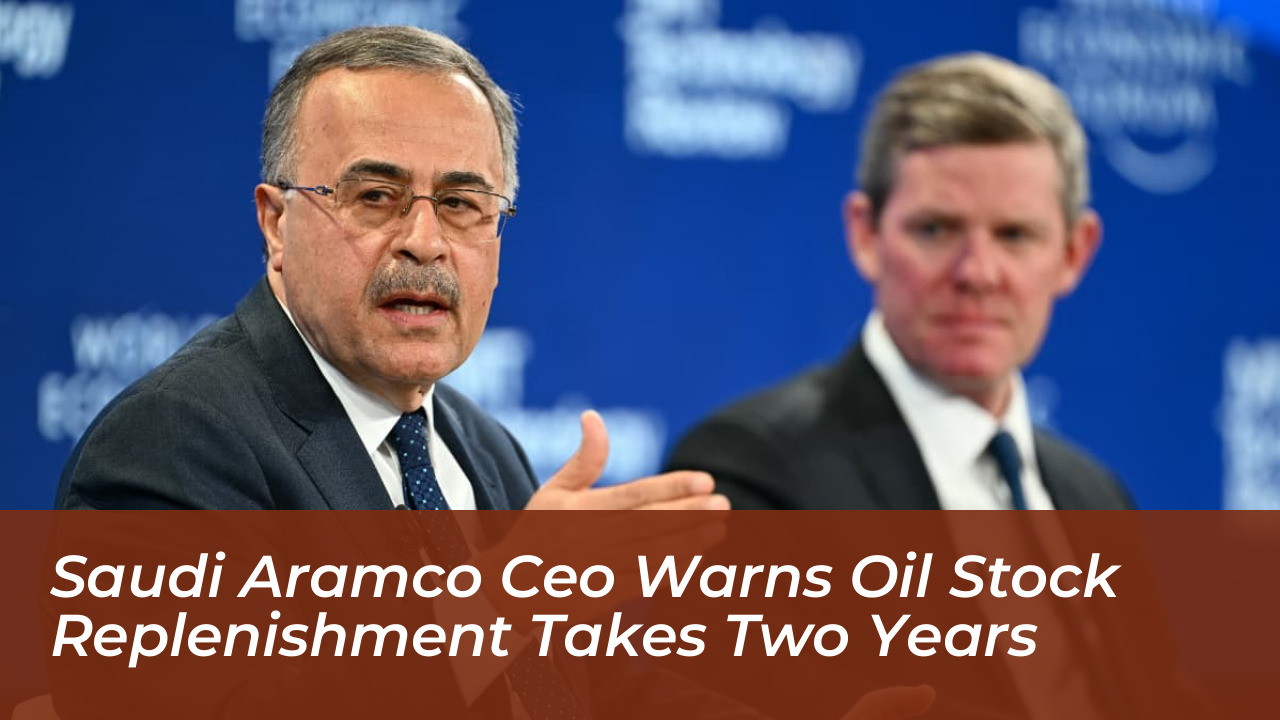



Global oil inventories could take up to two years to rebuild as the supply squeeze worsens during the ongoing military conflict between the United States and Iran, Saudi Aramco Chief Executive Officer Amin Nasser warned on October 5, 2026.
Speaking at the Energy Intelligence conference in London, Nasser highlighted that supply pressures will continue to intensify across energy markets until shipping through the strategically vital Strait of Hormuz fully resumes.
“Even then, replenishing inventories while meeting demand could take up to two years,” said Nasser.
Global Oil Inventory Dynamics
Oil inventories serve as a critical economic buffer against unexpected supply shocks, geopolitical conflicts, and extreme weather events. When commercial and strategic petroleum reserves drop to low levels, energy markets become vulnerable to price volatility. The warning from Saudi Aramco-the world’s largest state-owned oil producer-underscores the fragile balance currently facing global energy infrastructure.
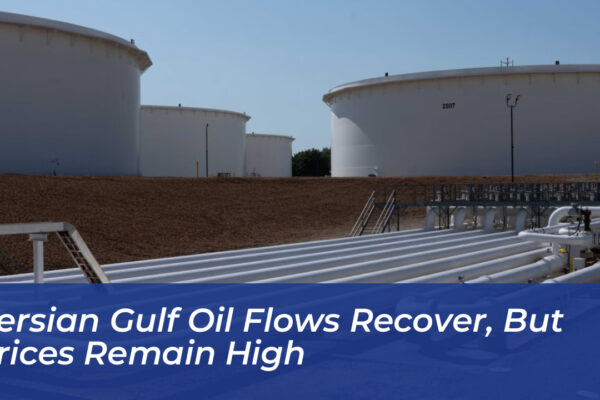
Market analysts note that inventory depletion is heavily driven by logistical bottlenecks and regional conflicts that restrict maritime trade routes. The Strait of Hormuz, located between Oman and Iran, handles a massive share of the world’s petroleum liquids, making it a critical choke point for international crude shipments.

Key Factors Impacting Oil Stock Recovery
- Geopolitical Tensions: Active military conflicts involving the U.S. and Iran severely disrupt tanker transit through major maritime corridors.
- Logistical Bottlenecks: Even after hostilities cease, normal shipping cadences, insurance availability, and maritime security must be thoroughly re-established.
- Sustained Global Demand: Meeting ongoing daily consumption while simultaneously routing barrels back into storage facilities creates a prolonged supply deficit.
- Spare Capacity Limits: Global producers face operational constraints in scaling up output rapidly enough to satisfy consumption and rebuild reserves simultaneously.
Broader Economic Implications for Energy Markets
As industry leaders evaluate the long road to inventory replenishment, energy economists anticipate that crude oil prices will remain sensitive to updates from the Middle East. Prolonged supply tightness can translate into higher transportation, manufacturing, and consumer energy costs globally. This dynamic influences central bank monetary policies and broader economic growth forecasts.
Saudi Aramco continues to monitor maritime security developments closely while balancing its production commitments to maintain market stability. However, as Nasser emphasized, physical replenishment is a mathematical and logistical challenge that cannot be resolved overnight.