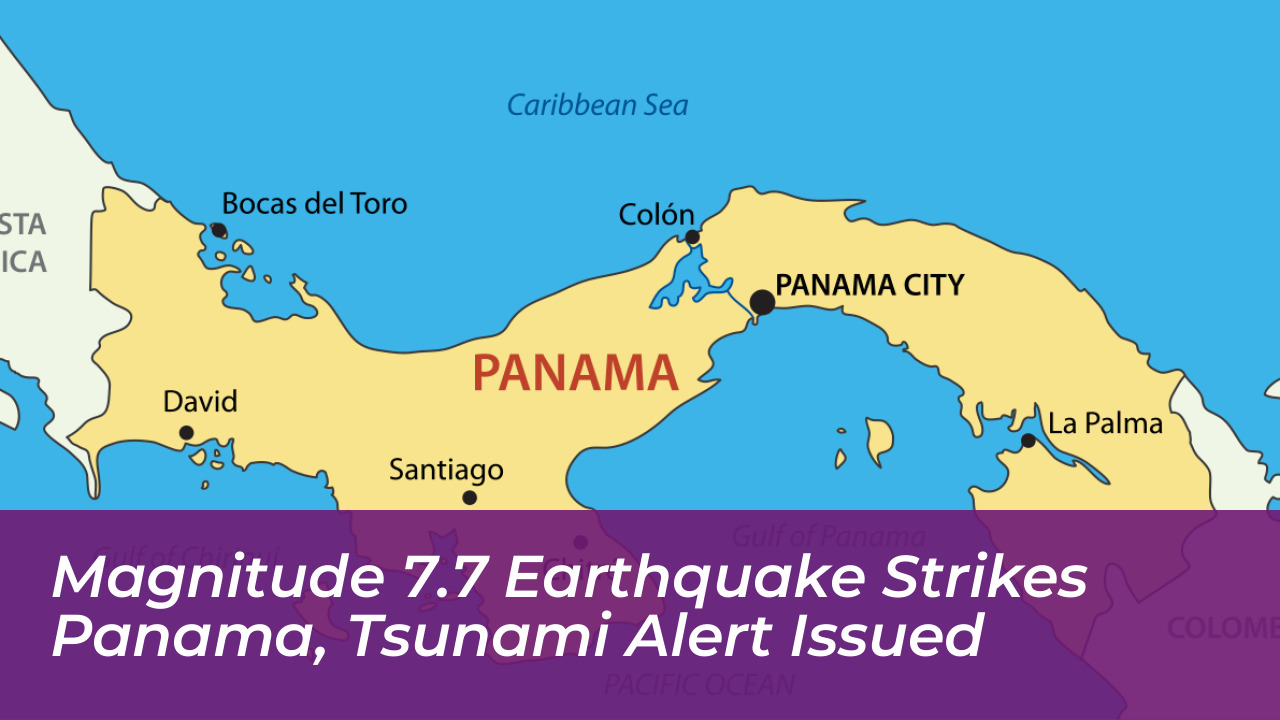

A powerful magnitude 7.7 earthquake struck southern Panama on Friday, October 9. The tremor shook buildings more than 100 miles away in the capital. It prompted widespread evacuations and regional tsunami warnings. According to the U.S. Geological Survey (USGS), the major tremor occurred on the Pacific side of the country at a shallow depth of approximately 7 miles.
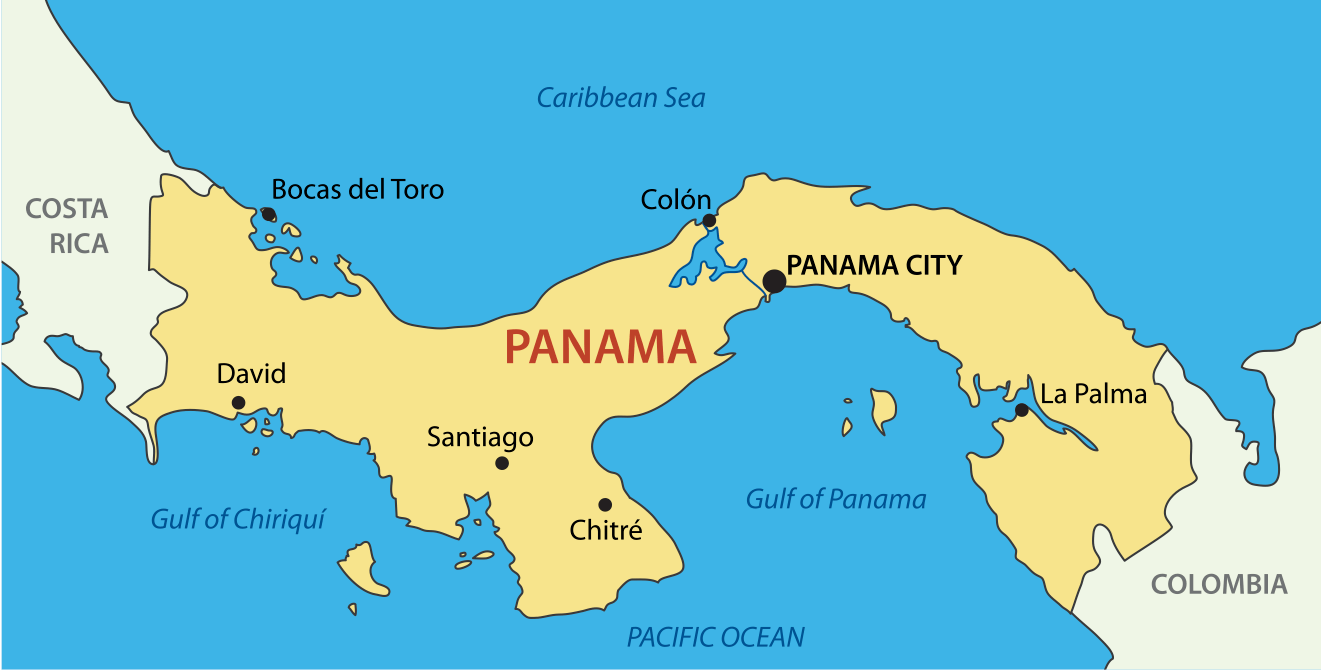
The earthquake’s epicenter was initially pinpointed about 12 to 14 kilometers (roughly 7 to 9 miles) west-southwest of the remote community of Pitaloza Arriba. While the USGS briefly considered an even higher initial reading, seismologists confirmed the final preliminary magnitude at 7.7. The initial quake struck shortly before 1:56 p.m. ET. It was followed by a series of aftershocks, including a notable magnitude 5.8 aftershock south of Cacao, Panama.
Tsunami Threats Issued Across Nine Countries
In response to the seismic activity, the U.S. Tsunami Warning System issued potential tsunami threats for nine countries bordering the Pacific region. Hazardous tsunami waves were deemed possible along coastlines in:
- Panama
- Costa Rica
- El Salvador
- Peru
- Mexico
- Guatemala
- Nicaragua
- Colombia
- Ecuador
The U.S. Pacific Tsunami Warning Center noted that waves between roughly 3 and 9 feet were possible along Panama’s immediate coastlines over the hours following the initial impact. Officials advised residents in coastal zones to remain alert. Immediate details regarding confirmed destructive waves or widespread structural damage remained limited as emergency crews deployed to assess affected regions.
Impact in Panama City and Operational Status
Tremors were strongly felt in Panama City. Towering office buildings and residential structures shook, forcing panicked residents into the streets. Visibly shaken locals gathered in open public spaces to await official updates regarding the safety of their homes and infrastructure.
“We felt it very strongly. It knocked things over in the kitchen, but we’re OK, though we’re very scared. Everyone is outside, scared,” said Rosendo Domínguez, a 60-year-old resident from the Herrera province near the epicenter, speaking by phone with The Associated Press.
The Panama president’s office reported that over a dozen aftershocks had been recorded within the first hour. As a precautionary measure, the government suspended operations across all administrative offices and schools in the impact zone. Meanwhile, the Panama Canal Authority confirmed that the country’s vital global shipping waterway continued to operate normally without any initial disruptions reported.
Emergency management agencies, including Panama’s Civil Protection, continue to survey remote areas near the epicenter to evaluate potential damages and ensure public safety as the developing emergency situation progresses.