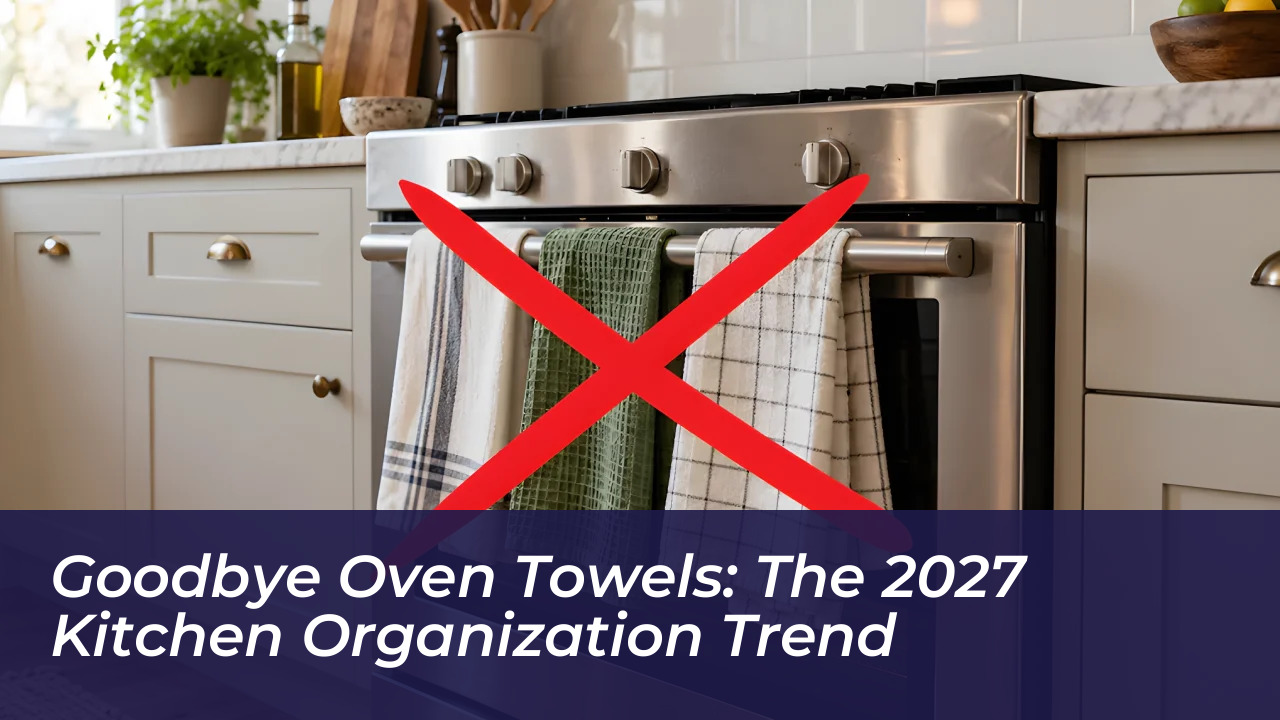

One of the most common habits in home cooking is hanging dish towels directly on the oven door handle to keep them close at hand. However, this traditional habit often leads to damp towels slipping onto the floor, blocking oven access, and accumulating lingering moisture or bad odors. Looking ahead to the modern layout expectations of the 2027 kitchen, homeowners are shifting toward a cleaner, more organized alternative: dedicated dish towel bars installed independently on walls, cabinet sides, or cupboard doors.
By moving dish cloths away from the oven handle, kitchens instantly look more streamlined while gaining functional benefits. Independent hanging bars allow fabrics to spread out properly rather than bunching together. This ensures they dry much faster and drastically reduces the likelihood of developing a damp smell over time.
How to Choose and Use Alternative Dish Towel Bars
Modern kitchen accessories adapt to various layouts, spatial constraints, and aesthetic preferences. While traditional towel versions fix directly into structural walls near sinks or prep zones, renters and minimalists have access to several versatile alternatives:
- Over-the-Door Bars: Easily slip over lower cabinet doors or cupboards without requiring any drilling or permanent hardware installation.
- Adhesive Bars: Engineered for smooth tile or laminate surfaces, allowing you to add hanging space instantly without damaging furniture.
- Side-Cabinet Mounts: Ideal for compact or small kitchens, utilizing empty vertical cabinet sides to keep towels within arm’s reach without cluttering countertops.
To ensure these fixtures double as interior design elements, manufacturers offer finishes that match contemporary hardware trends, including matte black, brushed stainless steel, warm gold or bronze, clean white, and natural wood paired with metal accents.
Why Dedicated Bars Outperform Oven Handles
Hanging towels on an oven handle creates constant friction. Every time the appliance is opened to check on a dish, the linens risk sliding off and landing on the floor. , busy cooking zones require towels near water sources rather than cooking appliances.
Installing a dedicated bar near the sink or food preparation zone keeps cleaning cloths accessible without cluttering your workflow. In small kitchens, maximizing the sides of cabinetry ensures that even limited spaces remain tidy, functional, and visually appealing.
Frequently Asked Questions About Kitchen Towel Organization
Why do kitchen towels develop a damp smell on oven handles?
When towels are bunched up or draped over a thick oven handle, air circulation is restricted. This traps moisture within the fabric fibers, creating an ideal environment for mildew and bad odors.
Are adhesive towel bars strong enough for daily use?
Yes, high-quality adhesive bars designed for kitchen environments use heavy-duty bonding agents that securely hold lightweight cotton or linen dish towels under normal daily usage conditions.
What is the best material for kitchen dish towels?
Cotton is widely considered the top choice for kitchen towels due to its exceptional absorbency, durability, and ability to withstand frequent machine washing at high temperatures.
How can I organize towels in a very small kitchen?
In compact kitchens, utilize vertical spaces such as the sides of upper or lower cabinets, the inside of cupboard doors, or narrow clip-on hooks attached beneath shelves.
Do alternative hanging bars require professional installation?
Most modern kitchen towel bars are DIY-friendly, utilizing either peel-and-stick adhesive strips or simple screw-in mounts that can be installed in minutes using basic household tools.