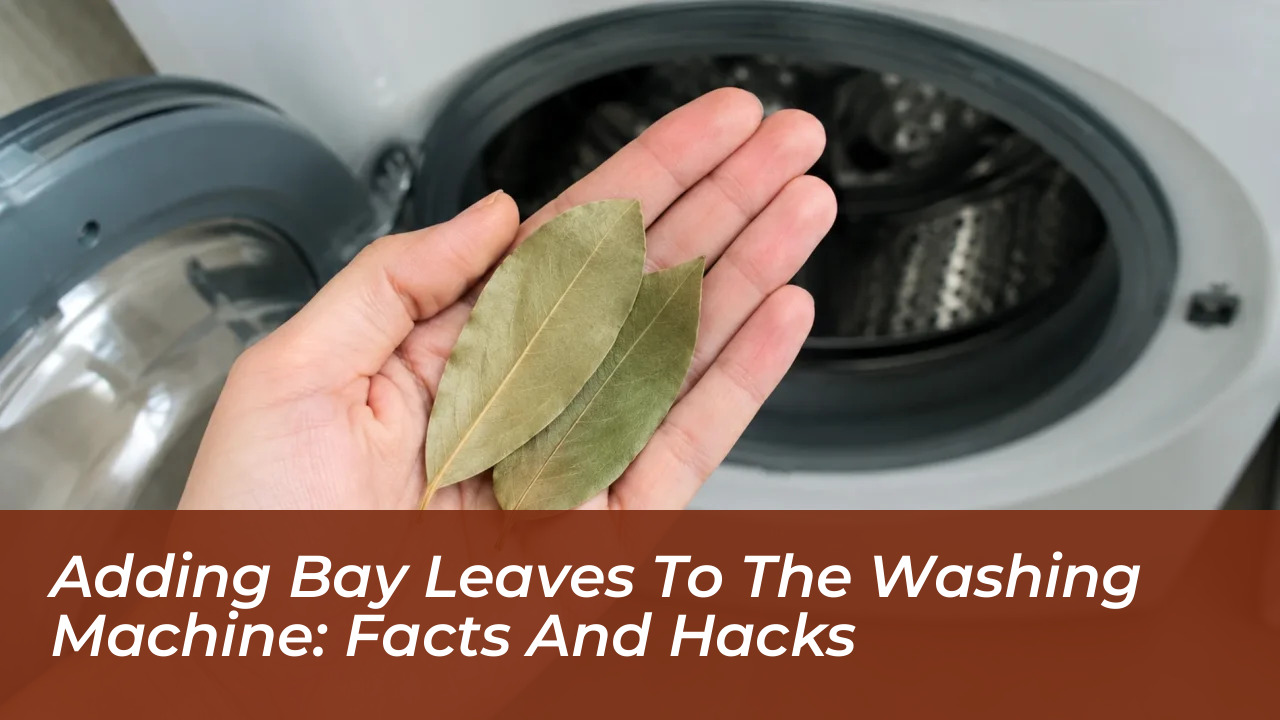

The search for eco-friendly alternatives to care for clothes without constantly resorting to chemical products has turned several common kitchen ingredients into viral social media sensations. Among them is the bay leaf (*Laurus nobilis*), an aromatic plant from Mediterranean cooking that is now making waves in laundry rooms. While online tutorials praise it as a miracle solution for refreshing garments, understanding what this household trick can and cannot do requires separating viral myth from scientific reality.
What Purpose Does Bay Leaf Serve in the Washing Machine?
Bay leaves contain natural essential oils rich in active volatile compounds such as 1,8-cineole, acetate, and sabinene. Scientific studies published in journals like Natural Product Research have evaluated these extracts and noted antibacterial and antifungal activities against specific microorganisms under controlled laboratory conditions.
However, experts emphasize a crucial distinction: the presence of antimicrobial properties in concentrated laboratory extracts does not mean that tossing two or three dried leaves into a washing machine turns an ordinary wash cycle into a medical-grade sanitizing treatment. The volume of compounds released by whole, dried leaves during a standard wash is minimal compared to laboratory conditions.
What Can Bay Leaves Actually Add to Your Laundry?
While you should not expect a heavy-duty antibacterial wash or a substitute for commercial fabric softeners, using bay leaves offers a few modest benefits:
- Light Herbal Scent: Contact with water and the motion of the wash drum release small amounts of volatile fragrance compounds, leaving clothes with a subtle, earthy aroma.
- Eco-Friendly Alternative: For individuals looking to experiment with natural methods without introducing harsh synthetic fragrances, it serves as a gentle, low-cost aromatic option.
- Pre-Soak Enhancements: Some traditional methods involve simmering bay leaves with baking soda to create an herbal solution for pre-soaking fabrics.
Step-by-Step Guide: How to Safely Try the Bay Leaf Hack
If you want to test this household trick without risking damage to your clothes or washing machine, follow these practical steps:
- Secure the Leaves: Always place three to five dried bay leaves inside a zippered mesh laundry bag or a tightly tied cloth pouch. Never throw loose leaves directly into the drum.
- Protect Your Appliance: Loose plant fragments can break apart during high-speed agitation and clog your washing machine’s filter or drainage pump.
- Monitor Temperature: Run your regular wash cycle at 30°C or higher to allow mild water infusion, avoiding delicate settings if you worry about staining.
- Inspect Fabrics First: If you try this with light-colored or delicate garments for the first time, check that the leaves do not transfer any natural yellowish residue or staining.
Why Bay Leaves Cannot Solve Musty Odors or Deep Stains
Many online guides claim that bay leaves can completely revive musty towels, eliminate stubborn grease marks, or brighten faded whites. In practice, persistent laundry odors are typically caused by detergent buildup, trapped moisture inside closed drum seals, or slow drying times that encourage bacterial growth.
Adding bay leaves may mask minor smells with a fresh herbal note, but it does not address the root cause of the issue. Proper clothing care still relies on prompt drying, keeping the washer door open between cycles, and using appropriate detergents or targeted sanitizing methods when required.
Frequently Asked Questions About Bay Leaves in Laundry
Will bay leaves stain white clothes?
Dry bay leaves generally do not stain fabrics if they are secured inside a mesh bag. However, boiling leaves into a concentrated dark liquid for pre-soaking requires careful straining to ensure no plant residue contacts white garments.
How many bay leaves should I use in a wash?
If you decide to try the aromatic trick, three to five whole dried leaves placed inside a secure laundry bag are more than enough. Adding too many leaves offers no additional benefit and only increases loose debris.
Can bay leaves replace laundry detergent or fabric softener?
No. Bay leaves lack surfactant properties, meaning they cannot lift dirt, oils, or sweat out of fabrics the way standard laundry detergents do. They only offer a mild, natural scent.
Are fresh bay leaves better than dried ones?
Dried bay leaves are standard for this hack because they are readily available and less likely to release aggressive green chlorophyll stains compared to freshly picked, moist leaves.
Is there any risk to my washing machine?
The primary risk comes from loose leaves escaping into the drum and entering the pump filter. Using a secure, tightly sealed cloth pouch or mesh bag completely eliminates this risk.