
Post-tropical cyclone Isaias is moving across the Southeast after making landfall near Destin, Florida, as a Category 2 hurricane. It is bringing damaging winds, heavy rain, and significant flooding risks to Florida, Alabama, and Georgia, according to CBS News and the National Hurricane Center.
The storm weakened after pushing onto the Gulf Coast. However, it continued producing sustained winds near 35 mph alongside stronger gusts as it tracked toward the Tennessee Valley. As conditions deteriorated across the region, emergency measures and widespread power outages followed in the storm’s wake.
Massive Power Outages Reported Across Three States
More than 884,000 customers across Florida, Alabama, and Georgia were without power early Saturday morning, according to tracking data cited by CBS News. Florida reported 430,443 outages, Alabama experienced 326,057, and Georgia recorded 127,905 outages as transmission lines and local infrastructure succumbed to high winds and falling trees.
Ahead of landfall, federal and state officials mobilized emergency response efforts. President Donald Trump approved a state of emergency for three Alabama counties-Baldwin, Mobile, and Escambia along the Gulf Coast-as well as the Poarch Band of Creek Indians reservation lands. Emergency declarations were similarly approved for vulnerable areas in Florida.
Landfall and Subsequent Weakening
Isaias made initial landfall on the Florida Panhandle near Destin around 8:30 p.m. local time as a Category 2 storm, packing maximum sustained winds of 105 mph. Destin Mayor Bobby Wagner issued stark warnings to coastal residents who chose to ignore mandatory evacuation orders for zones A and B, stating that emergency responders would be unable to assist until the storm passed.
As the system moved inland, it quickly downgraded from a Category 3 intensity peak down to a Category 1 and eventually transitioned into a post-tropical cyclone. Despite the downgrade, life-threatening hazards persisted. The National Hurricane Center warned of storm surges ranging from 2 to 4 feet along portions of the Florida coast, alongside widespread rainfall totals of 4 to 8 inches, with isolated amounts reaching up to 15 inches.
Impacts on Infrastructure and Travel
The severe weather forced widespread shutdowns across energy and transportation sectors. The Marine Minerals Administration reported that personnel were evacuated from 129 of 371 production platforms and eight of 11 offshore rigs in the Gulf of Mexico. Over 70% of daily oil production and nearly 60% of daily natural gas production in the region were temporarily shut in.
State leaders urged residents to remain sheltered as emergency management teams, urban search-and-rescue units, and distribution centers stocked with food, water, and generators stood ready across the impact zone. While the storm continues its northward track toward the Tennessee Valley, local authorities advise residents to avoid standing water, downed power lines, and unnecessary travel until official all-clear notices are issued.
Frequently Asked Questions
Where did Isaias make landfall?
Isaias made landfall near Destin on the Florida Panhandle as a Category 2 hurricane with maximum sustained winds of 105 mph.
How many customers lost power during the storm?
Over 884,000 customers across Florida, Alabama, and Georgia experienced power outages at the height of the storm’s impact on Saturday morning.
What categories of strength did Isaias reach?
The storm peaked as a Category 3 hurricane before making landfall at Category 2 strength and subsequently weakening into a post-tropical cyclone as it tracked inland.
What were the primary weather threats associated with Isaias?
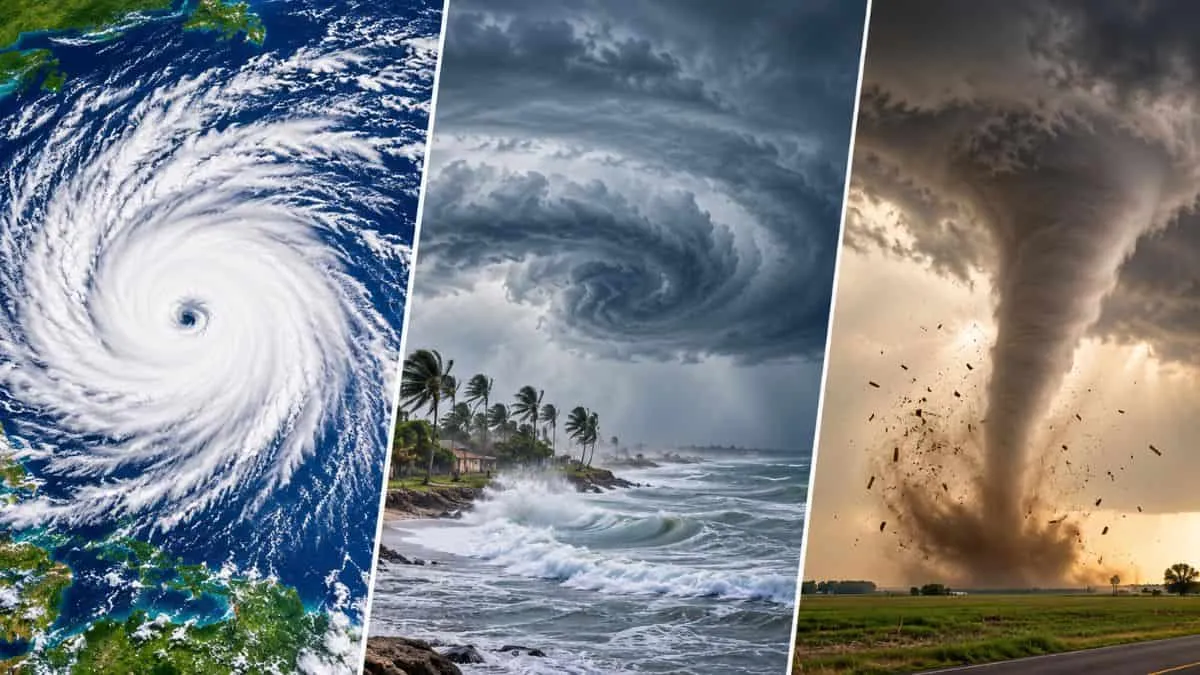
The main threats included damaging hurricane-force winds, life-threatening storm surges along the Gulf Coast, flash flooding from heavy rainfall totals, and isolated tornadoes.