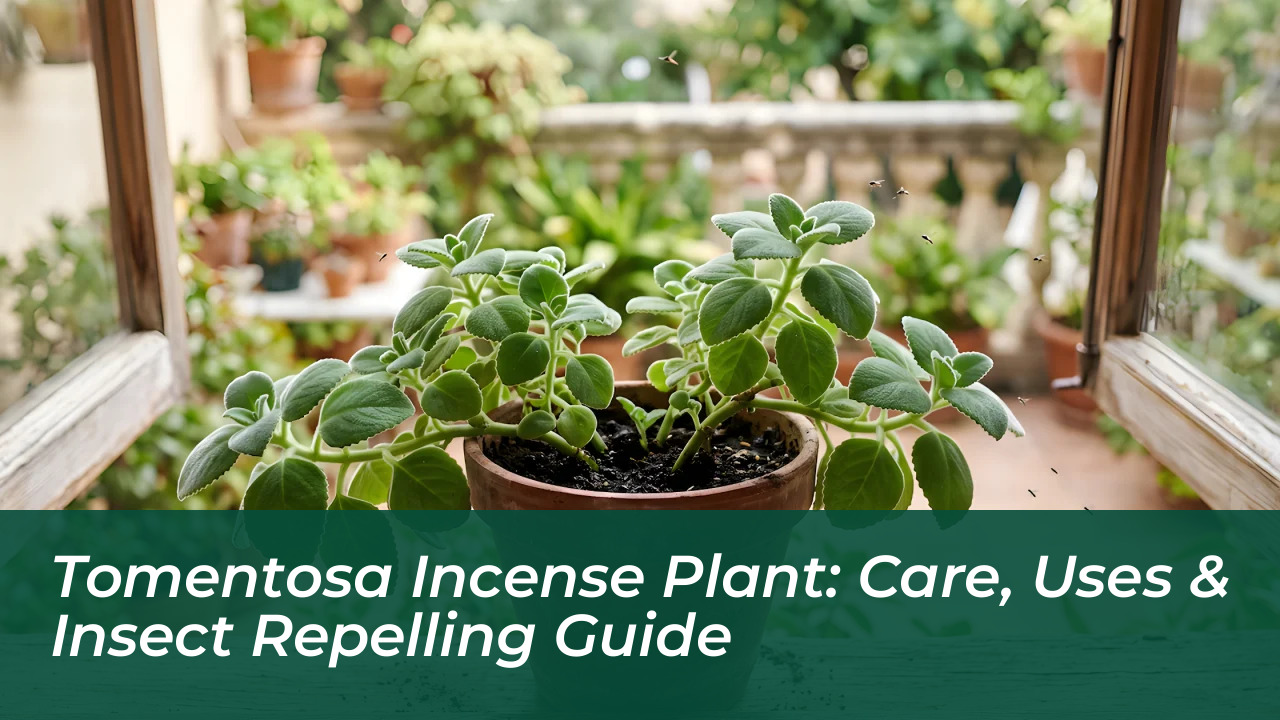

The incense plant, widely known by its scientific name Plectranthus tomentosa, is a popular aromatic species of South African origin. People often place it near windows to decorate, freshen rooms, and help reduce insects. Its velvety leaves release a distinct fragrance when rubbed. This releases volatile compounds that make the plant a favorite for warm seasons, when mosquitoes and other pests find their way into homes through windows, patios, and terraces.
While celebrated for its refreshing scent and ornamental appeal, its insect-deterring function relies on natural essential oils characteristic of the Plectranthus genus. Experts note that this effect is strictly complementary. It does not replace physical barriers like window screens, routine household cleaning, or registered chemical repellents.
Botanical Identification and Characteristics
The University of Seville identifies Plectranthus tomentosa as a perennial herbaceous plant native to South Africa. Its oval leaves are covered by a fine layer of protective hairs. This characteristic gives the plant a soft, velvety texture and explains the specific epithet “tomentosa.” When crushed or brushed against, the foliage gives off a strong incense-like aroma.
The genus Plectranthus belongs to the large Lamiaceae (mint) family, which also includes basil, lavender, thyme, oregano, and rosemary. Plants in this botanical family are well known for producing rich essential oils with intense aromas. The incense plant features a compact or semi-trailing growth habit. Its flexible stems make it ideal for pots, hanging baskets, and high indoor shelves where its unique texture stands out.
Essential Oils and Scientific Context
A scientific review indexed in the biomedical database PMC notes that various Plectranthus species contain abundant essential oils and secondary metabolites. These include monoterpenes, sesquiterpenes, and diterpenes. These chemical constituents contribute to the plant’s heavy fragrance and natural defense mechanisms. Identified compounds in similar aromatic species include:
- α-pinene
- Limonene
- Linalool
- Caryophyllene
- Carvacrol and thymol
- Citronellal and geraniol
Research linked to Makerere University in Uganda has analyzed traditional uses of related species, such as Plectranthus barbatus, where communities place plant branches in windows to deter mosquitoes. Laboratory evaluations show that leaf and flower extracts exhibit larvicidal activity against Culex, Aedes, and Anopheles mosquitoes. However, scientists emphasize a crucial distinction: concentrated laboratory extracts have controlled doses, whereas a live potted plant releases volatile compounds passively into open air depending on ventilation, air movement, and plant size.
How the Incense Plant Functions Against Insects
Potted specimens can make a windowsill or entryway less appealing to wandering insects due to their localized scent. The aroma is most concentrated closest to the foliage. Gently brushing the leaves, pruning stems, or pinching back new growth triggers a temporary surge in essential oil release.
Despite these natural properties, a single houseplant cannot evenly protect an entire room. It also cannot overcome environmental attractants such as standing water, exposed food, moisture, or household trash. Comprehensive pest management-including window screens, clean yards, and covered containers-remains essential.
Essential Care Guide for Plectranthus tomentosa
Maintaining a healthy, fragrant incense plant requires paying close attention to light, watering schedules, and temperature limits.
Light Requirements
According to guidelines from botanical authorities, the incense plant thrives in bright, indirect natural light. Placing it near a window ensures it receives adequate light to maintain dense, lush foliage. However, intense direct sun should be avoided during peak afternoon hours to prevent leaf scorching.
Temperature and Frost Protection
Native to warm climates, the plant tolerates typical indoor household temperatures for most of the year. Cold is one of its primary threats. Horticultural guides recommend bringing outdoor pots indoors before temperatures drop below 50°F (10°C). Exposure to frost will severely damage or kill the plant.
Soil and Watering Practices
Overwatering is the single most common cause of decline in Plectranthus species. Infojardín recommends keeping the potting mix slightly moist without allowing it to become waterlogged, as saturated soil quickly leads to root rot. Gardeners should use a well-draining soil mix enriched with peat moss, coco coir, perlite, or coarse sand, paired with a container featuring functional drainage holes.
Pruning and Propagation
Pruning stems back in late winter stimulates vigorous new growth in the spring. Pinching the tips of young stems prevents leggy growth and encourages a compact, bushy shape. Cuttings measuring 4 to 6 inches (10 to 15 cm) long root easily in water or moist potting mix when taken during the spring or summer months.
Frequently Asked Questions
Is the incense plant difficult to grow indoors?
No, the incense plant is relatively low-maintenance. As long as it receives bright indirect light, moderate watering, and protection from freezing temperatures, it thrives well indoors in pots or hanging baskets.
Does the incense plant actually keep mosquitoes away?
The plant releases aromatic essential oils that create a localized deterrent scent when brushed or disturbed. While it can make a windowsill less inviting to insects, it should be viewed as a natural supplement rather than a complete replacement for window screens or commercial repellents.
Why are the leaves on my incense plant turning yellow?
Yellowing leaves are almost always a sign of overwatering or poor soil drainage. Allow the top inch of soil to dry completely between waterings and ensure excess water drains freely from the pot.
Can I use incense plant leaves on my skin like a bug spray?
No. While crushing the leaves releases volatile aromatic compounds, rubbing raw plant material directly on the skin is not recommended as an approved or regulated insect repellent method.
How do I propagate my Plectranthus tomentosa?
Propagation is straightforward. Take a 4-to-6-inch stem cutting, remove the lower leaves, and place the stem into a glass of water or a small pot filled with moist, well-draining potting soil. Roots typically form within two to three weeks.